Winter in Goa — From winter escape to second home.
I was originally drawn to northern India. But from 1975 onwards, Goa became a winter destination for my young family for many years. The popcorn business was quieter during the cold months, with many showmen taking a winter break. So we escaped the gray and cold of Germany and recharged our batteries in this coastal paradise.


Goa. A place that shaped our lives.
Goa is the part of India I know best because I've spent most of my time there. The country's smallest state is located on the west coast of the Arabian Sea and is slightly larger than Luxembourg. For more than four centuries, from 1510 to 1961, it was a Portuguese colony. It was not until 1961 that Indian soldiers recaptured Goa, and a cultural change followed.
When I traveled to India for the first time ten years later, in 1971, on the hippie trail through Turkey, Iran, and Afghanistan, I was not yet drawn to Goa. I wanted to go to Delhi and Haridwar, at the foot of the Himalayas. My second trip in 1973 also took me north – to Delhi and then Nepal.
The following year, I became a father. My wife and I had our first son. I also started an import-export business and began selling popcorn and cotton candy machines and almond roasters. My customers were showmen who worked at fairs and amusement parks.
The fact that they always took a winter break suited us well: It meant we could escape the gray winters at home. A business partner from Bangalore recommended Goa to me. So, in 1975, we traveled there as a young family and ended up spending many winters there.

Bombay-Goa
by ship to the south.
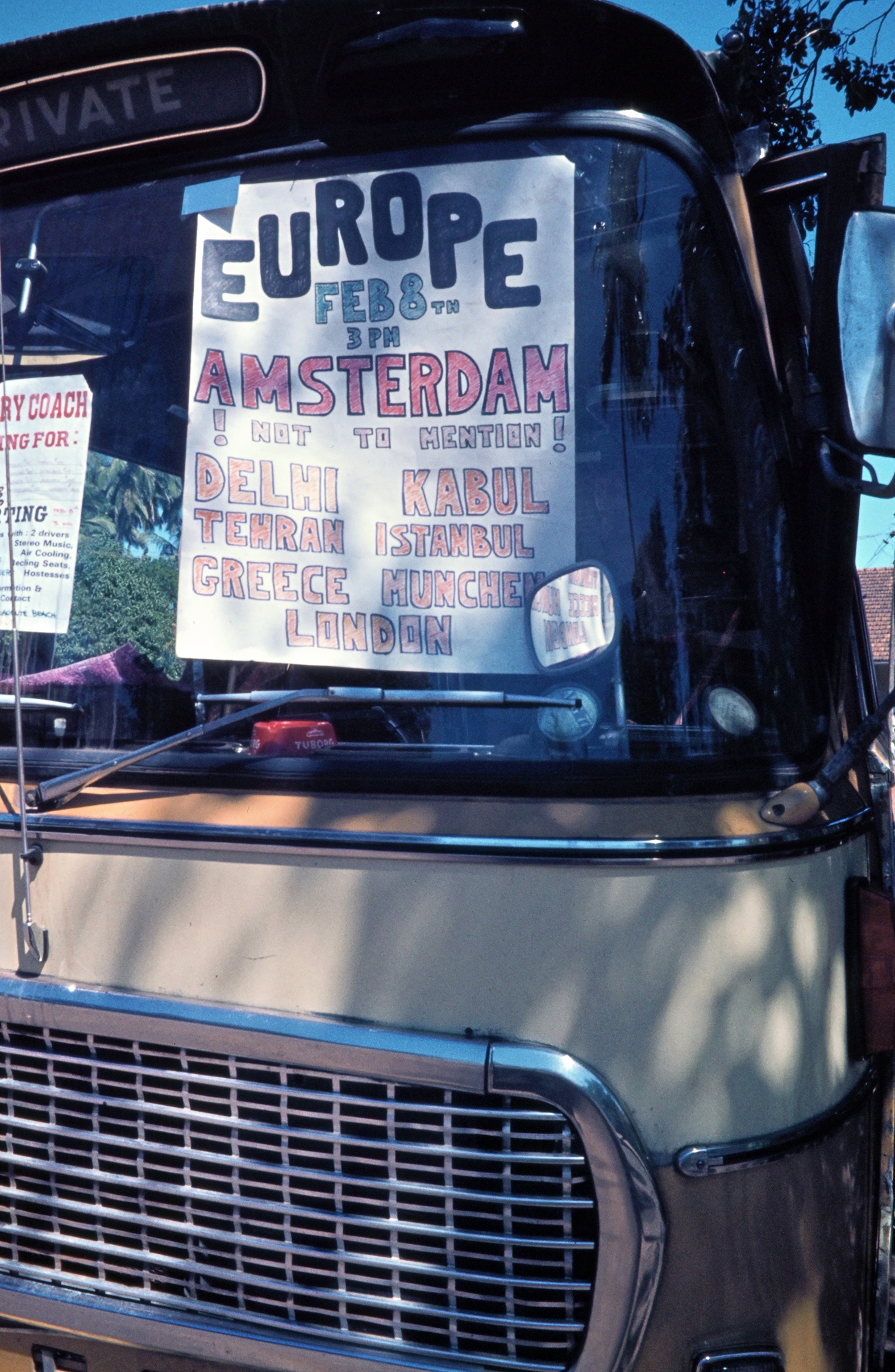
We usually flew to Bombay. From there, we had the choice of traveling further south by ship or by bus. Twice we ventured on the 24-hour boat trip on the Konkan Shakti, where you either slept on the hard wooden planks directly on deck or in the few cabins, which were usually fully booked. Apart from a few Western hippies and us as a young family with a small child, most of the passengers were locals who worked in the metropolis of Bombay and were now returning home.

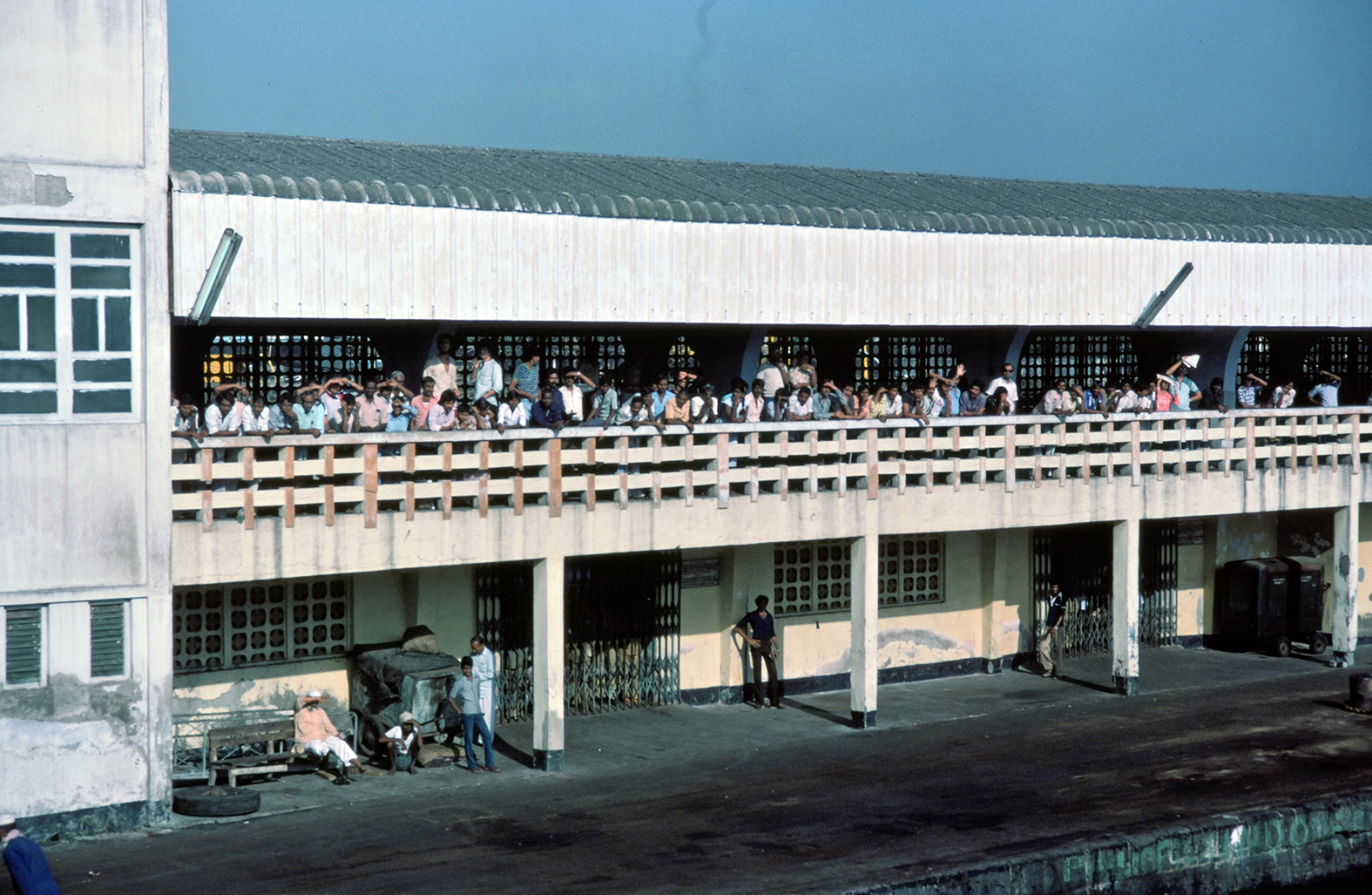


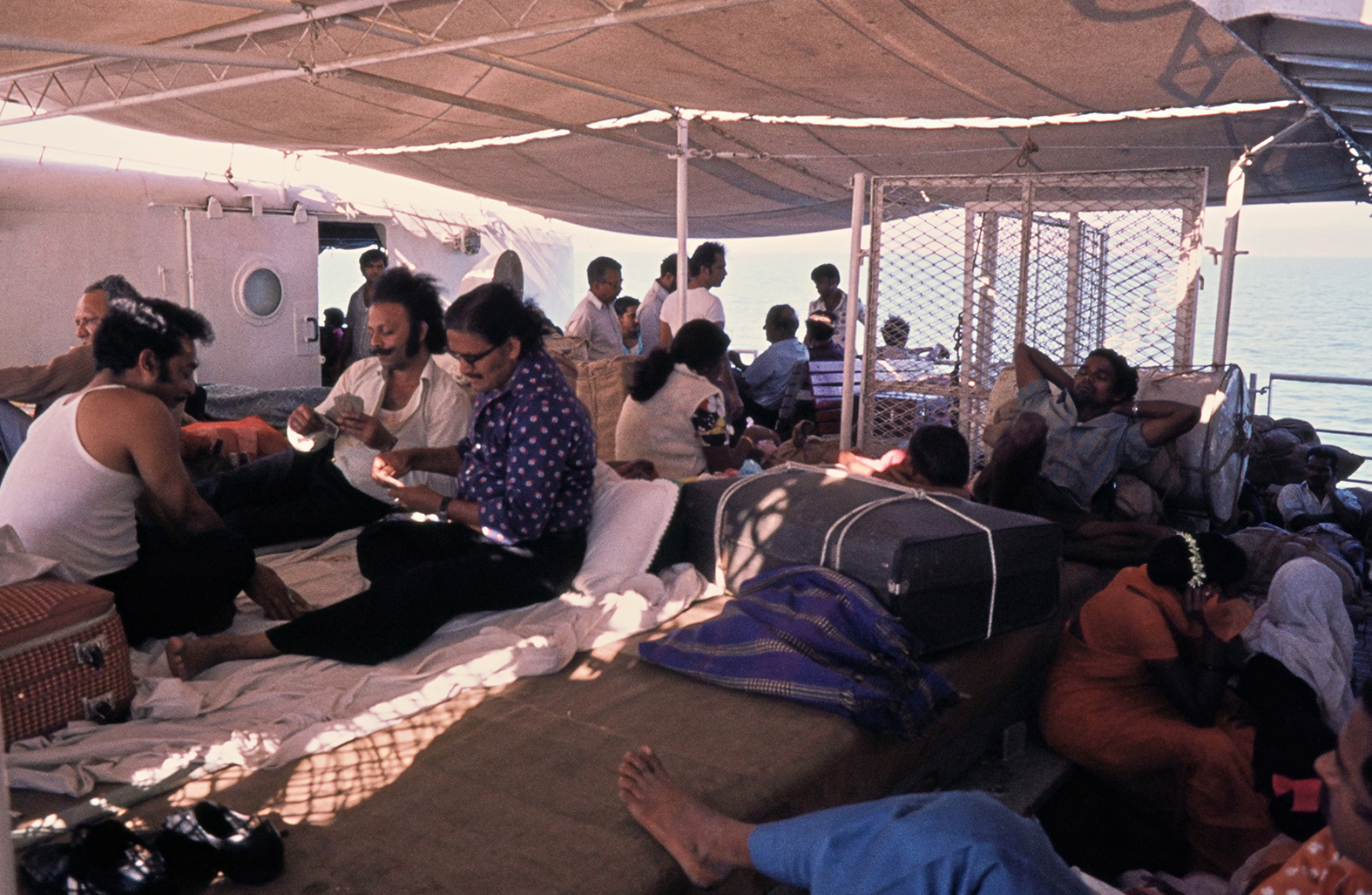
The ship was usually full to capacity. Tarpaulins were stretched out to protect against the sun, which beat down relentlessly on the deck. Most of the time on the ship was spent dozing, chatting with other travelers, or playing cards. Sometimes we saw dolphins or whales appearing in the sea and, after several stops at different ports, we finally arrived in Panjim, the capital of Goa.There we were greeted by a colorful hustle and bustle and a tropical climate.
From mid-October to the end of March, it rarely rains in Goa. The temperatures are usually around 30 degrees Celsius and even the sea is as warm as a bathtub. Tourism was still barely developed in 1975. There were only a few hotels, but there was some private accommodation for just one to three Deutschmarks per night. The food was also dirt cheap by our standards. However, we had to do without some comforts: Refrigerators were rare and there were only ceiling fans instead of air conditioning.
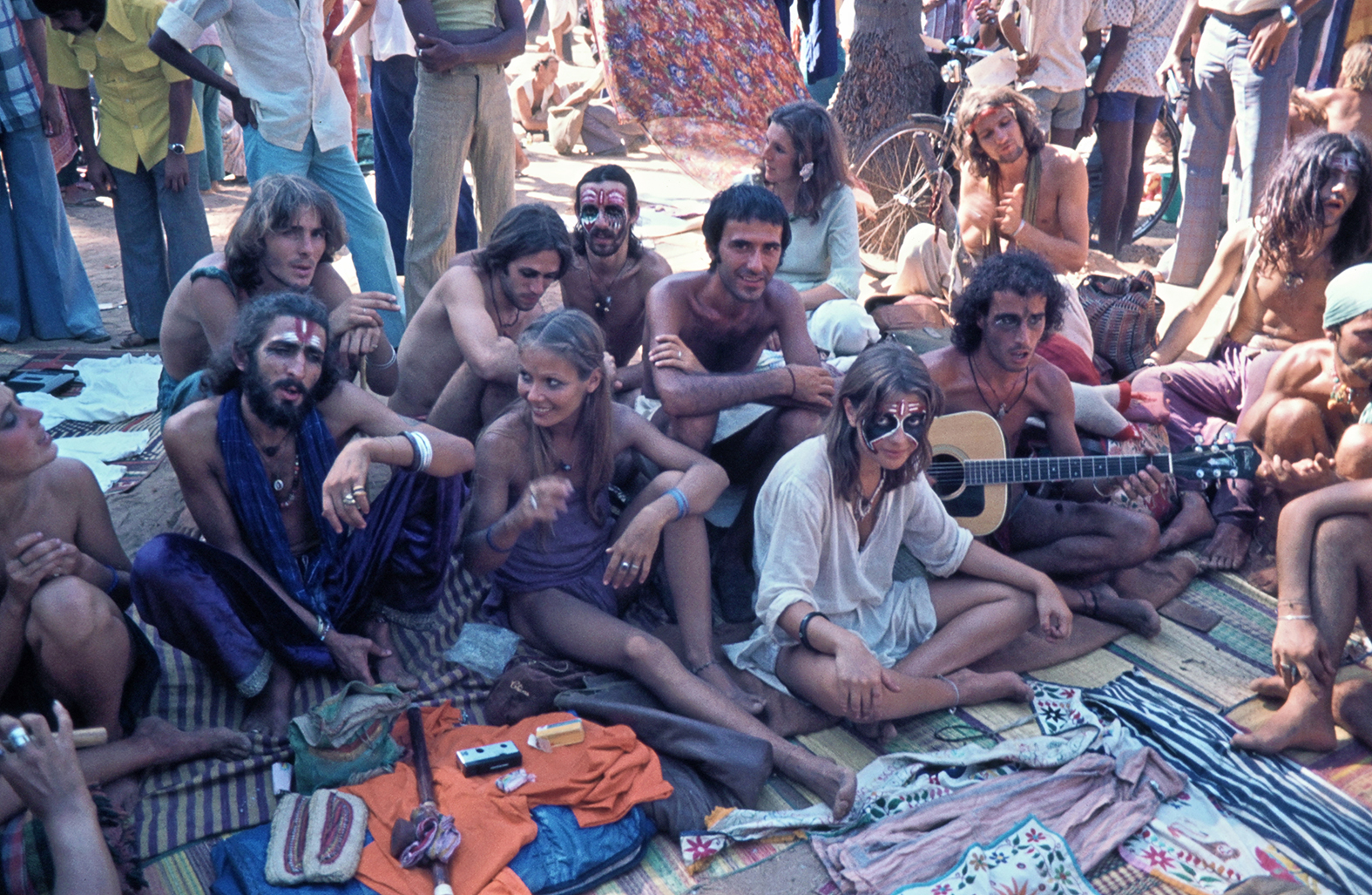
Hippies coming from around the world.
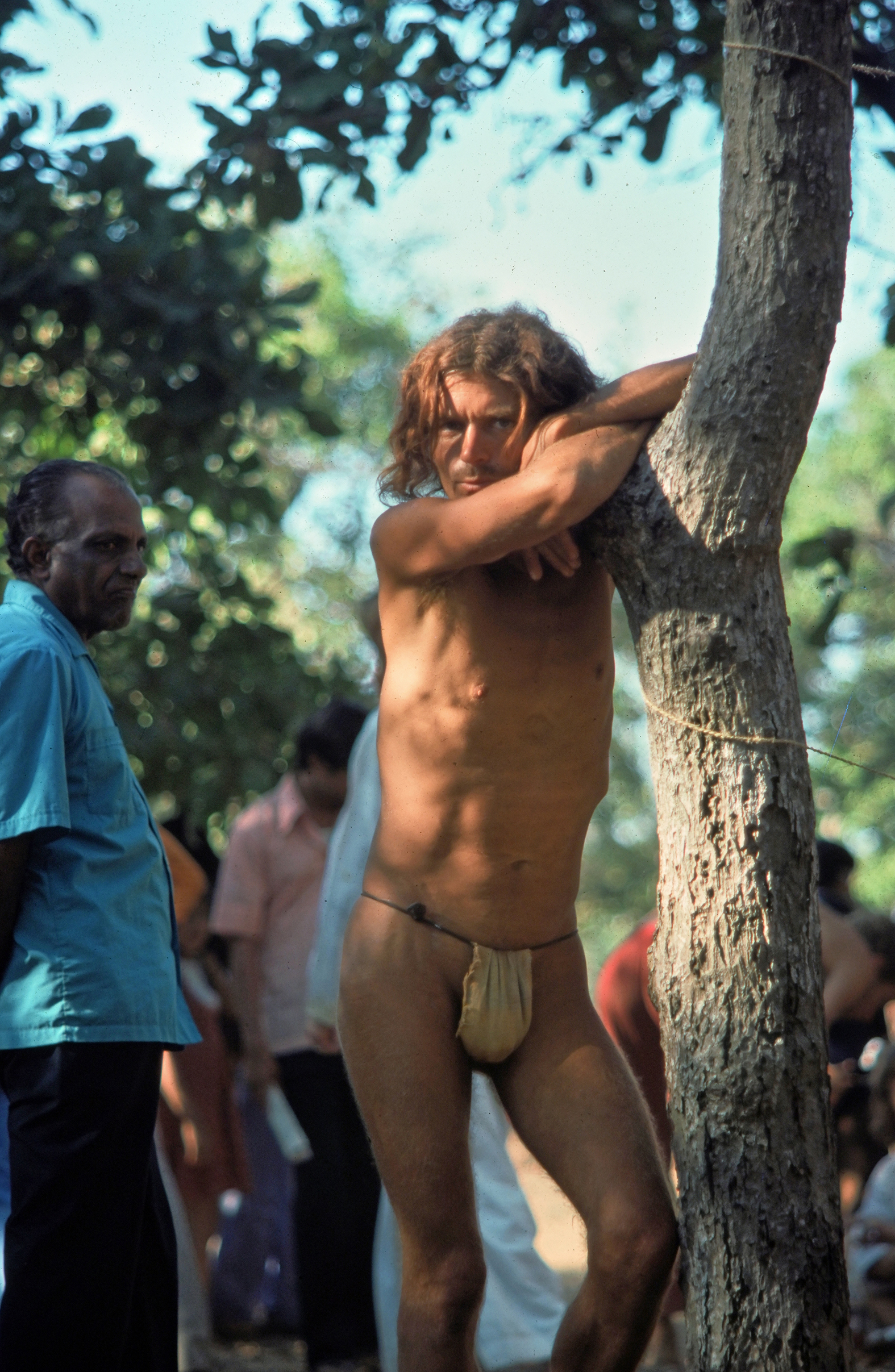
Many Indians traveled to Goa at that time because the sale of alcohol was quite liberal there. Another attraction were the hippies who made pilgrimages to Goa from all over the world from the late 1960s onwards and, propagating free love, sunbathed naked on the beaches of Baga, Anjuna, Vagator, and Arambol.
The hospitable Goans initially welcomed the hippies without reservation, even though their drug use, parties, and permissive lifestyle violated all social norms. Groups of young Indians often watched them in amazement. It was not until many years later that nude bathing and drug use were banned.


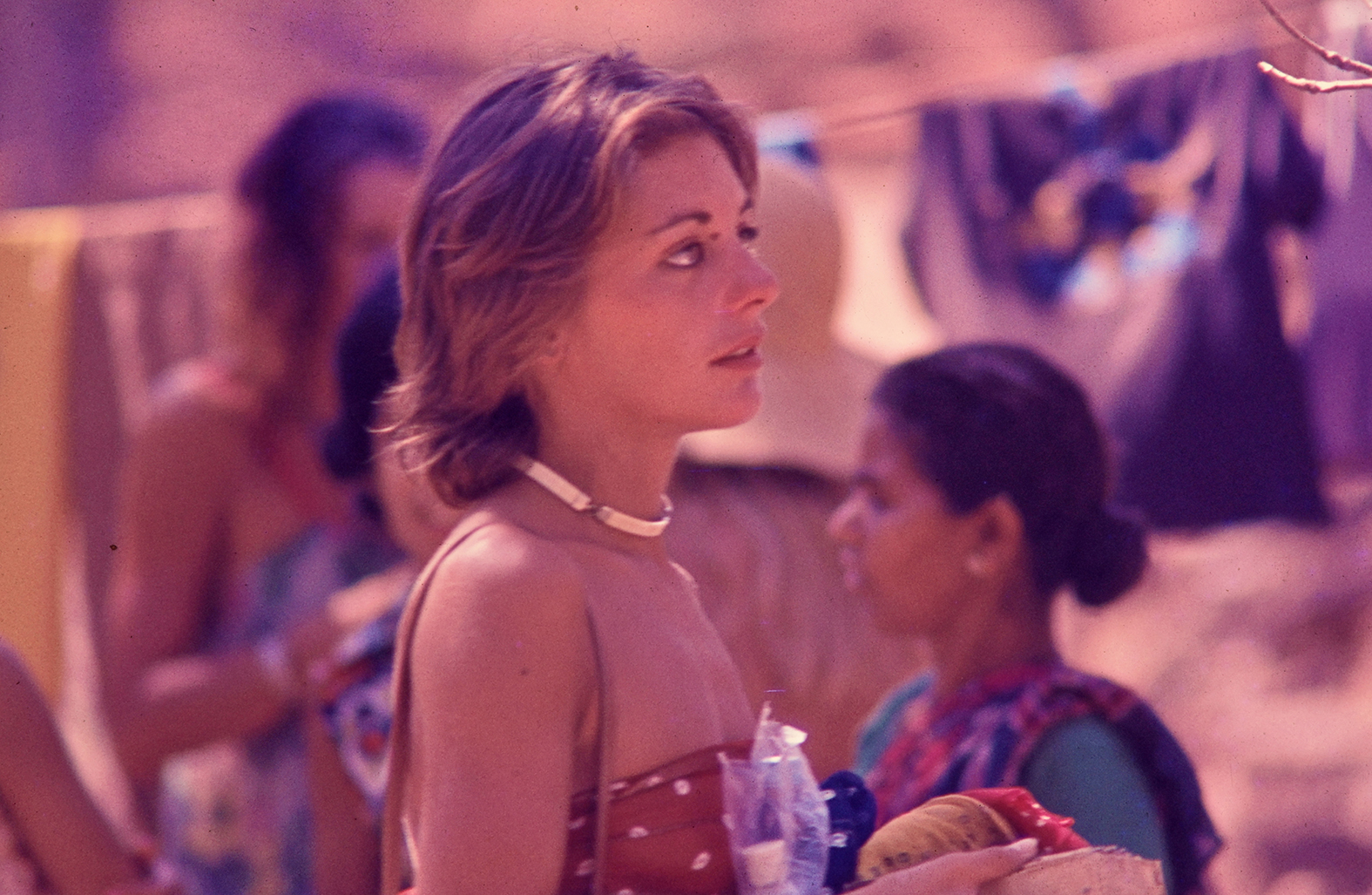


I myself no longer felt that I really belonged to the hippies at that time. I was now a family man and entrepreneur and lived a different life. So I observed the scene with friendly curiosity, but from a little distance. That's how I came to document some of the hippies in Goa with my camera. For example, when they met on Wednesdays at the flea market in Anjuna or at the «German Bakery» on Baga Beach, which had been opened there by a dropout from Kassel.
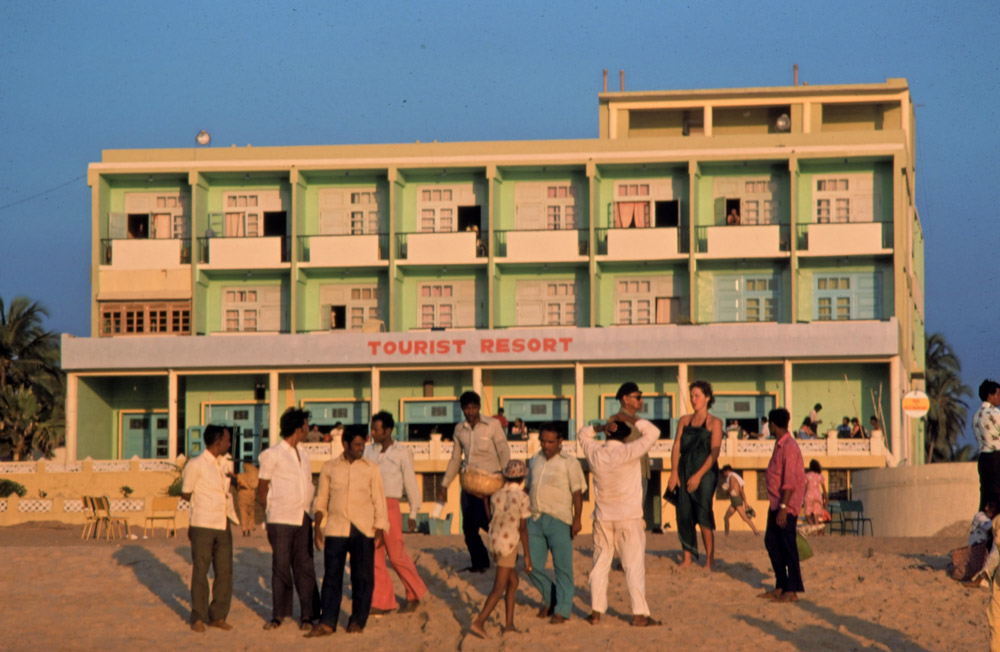
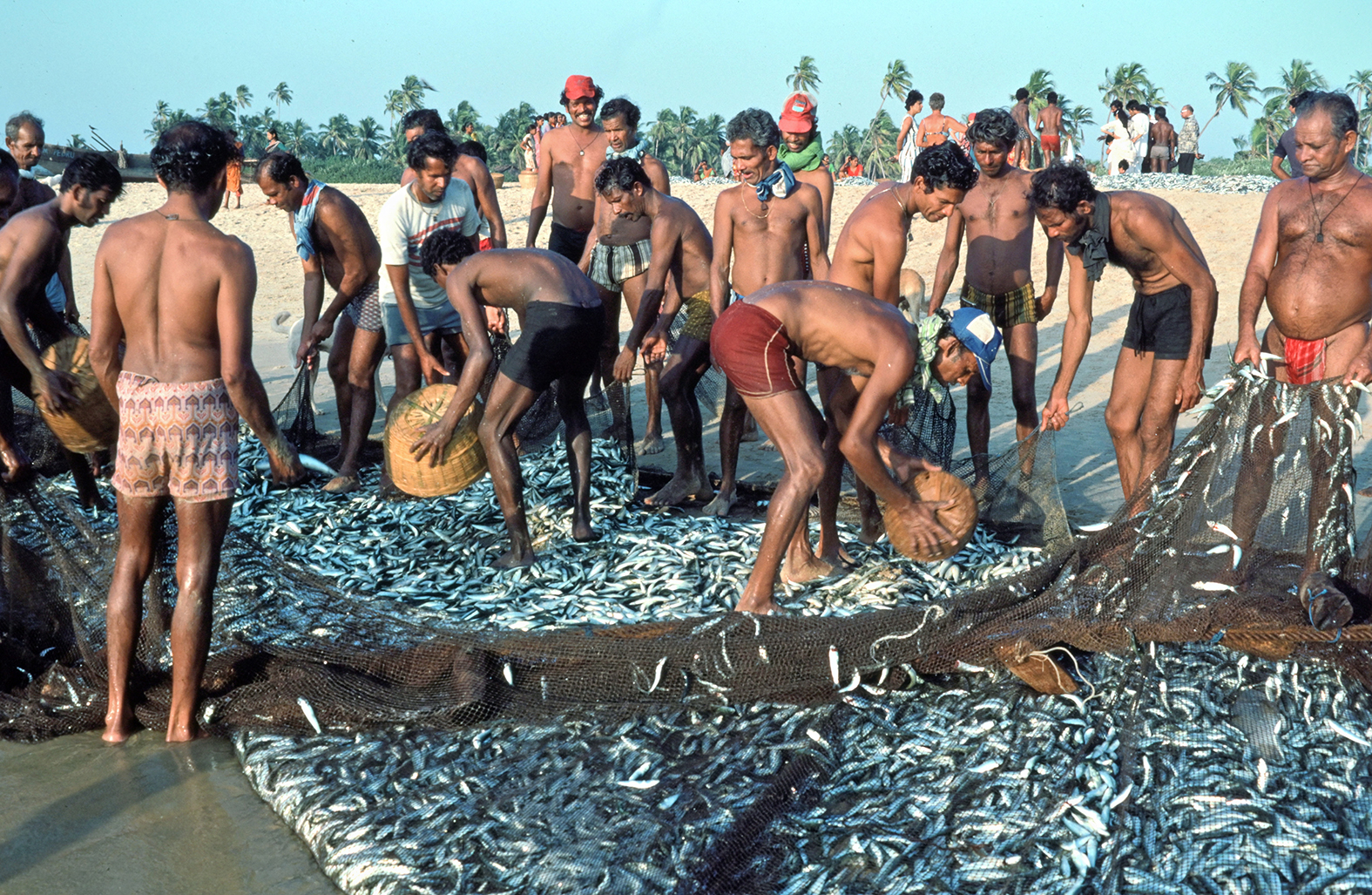
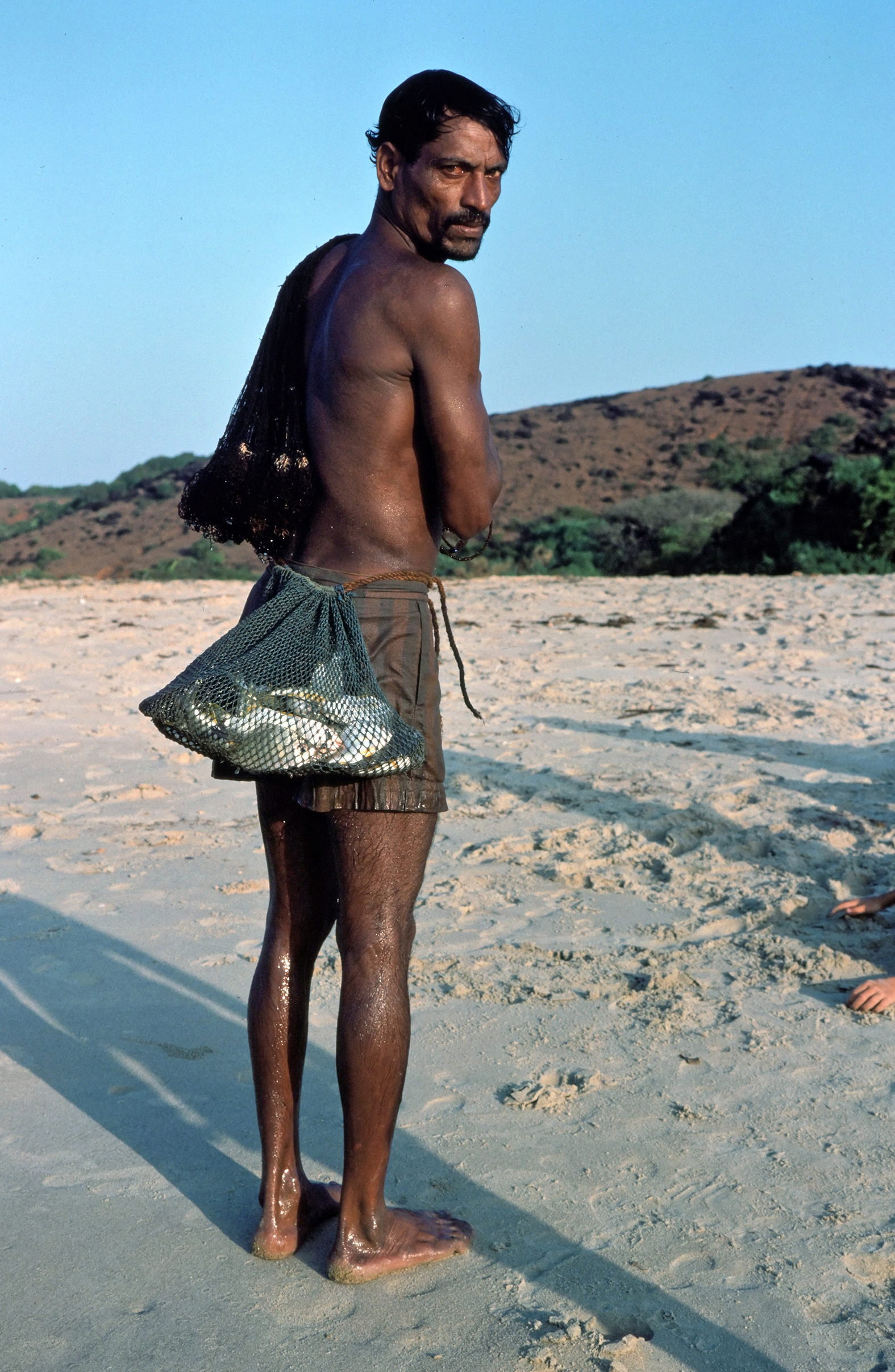
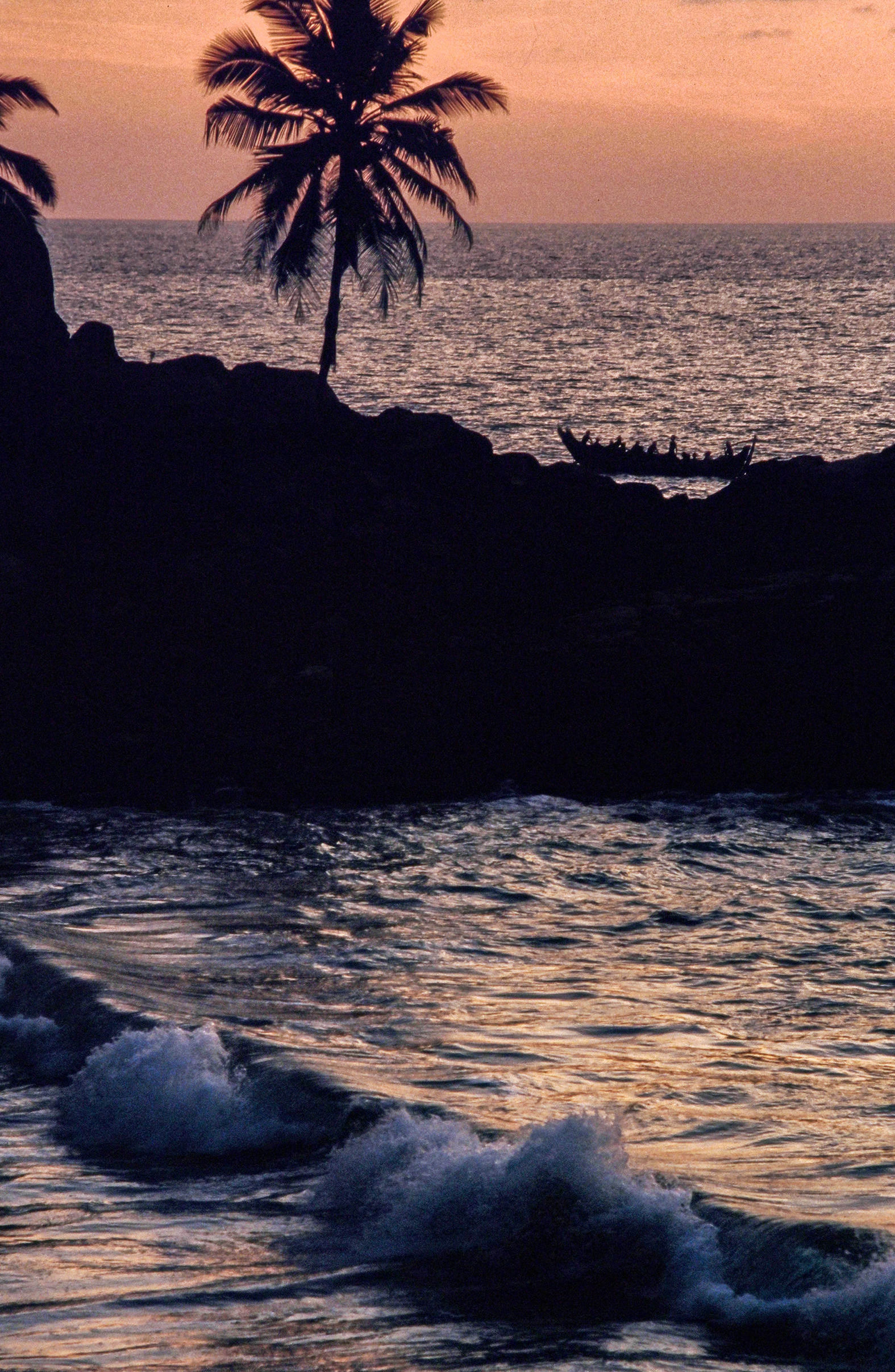
At first, I took my family to Calangute in northern Goa, which is now, unfortunately, completely overrun by tourists. It was different in the 1970s: Back then, the fishermen rowed out into the Arabian Sea at night in their wooden boats and were greeted by their families on the beach in the morning, where they shared their catch.

An image that sticks with me: Cobra alert in Calangute.
In the first few years, we stayed at the state-run Calangute tourist resort hotel right on the beach. Once, we got talking to a man outside the door who wanted to sell us snake skins. We asked him to come up to our hotel room with us, and he followed us with his large basket. However, it contained numerous cobras, but we didn't see that until we were upstairs.


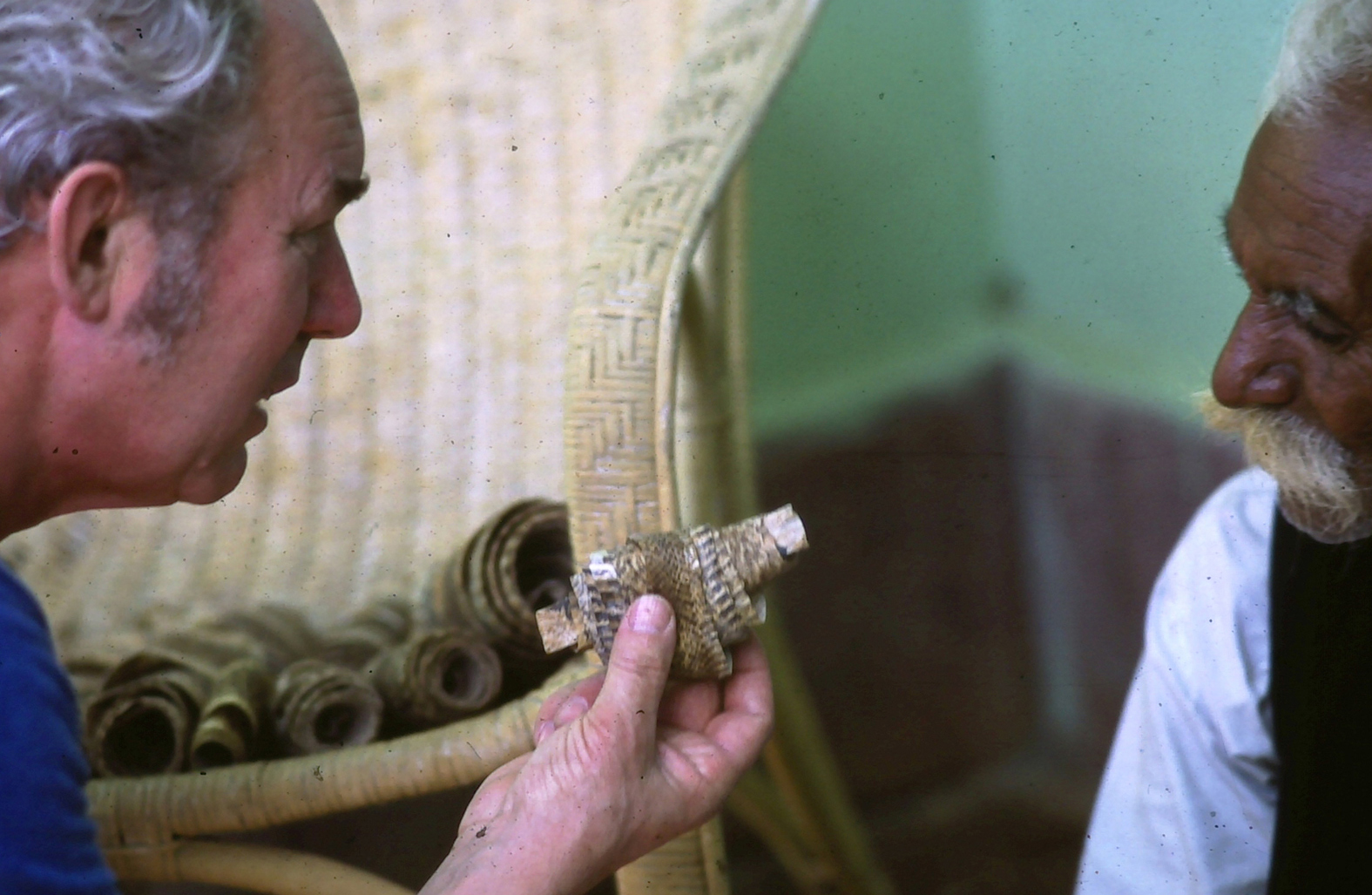


So while we were negotiating the price of the snake skins, some of his animals reared up. It was beautiful to see, but we still held our breath. Especially because our snake charmer spoke hardly any English. So it wasn't easy to find out if the animals still had venom in their teeth... But everything went well! Today, all I have left of this experience is a picture of my son next to a reared cobra.


Tiracol, a little paradise and our second home.
One day in Calangute, I met the Goan «Director of Tourism». We became friends and he told us about a small enclave called Tiracol, picturesquely situated on the border with Maharashtra, with only 200 inhabitants, seven bars, and a glorious history.


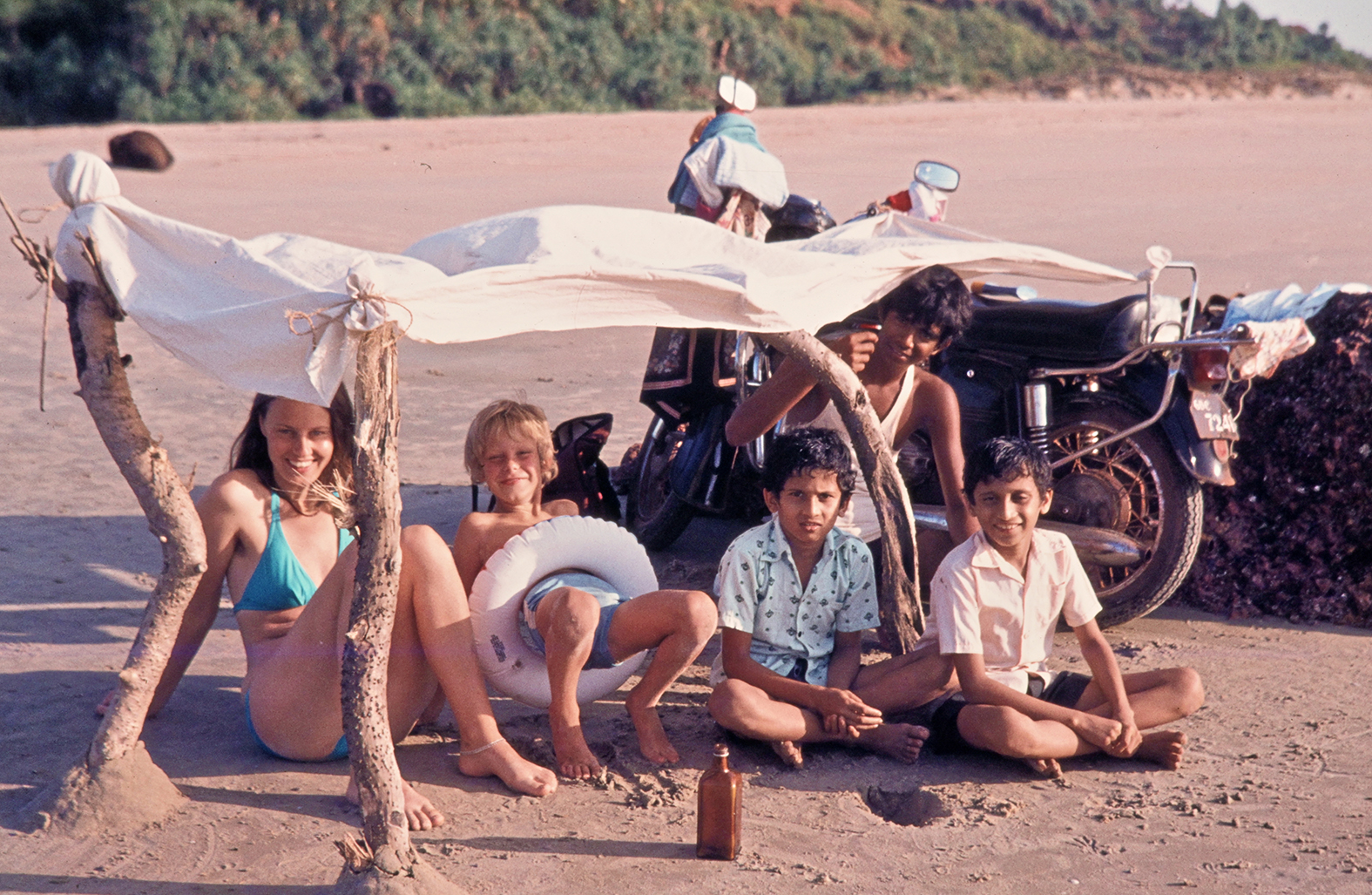
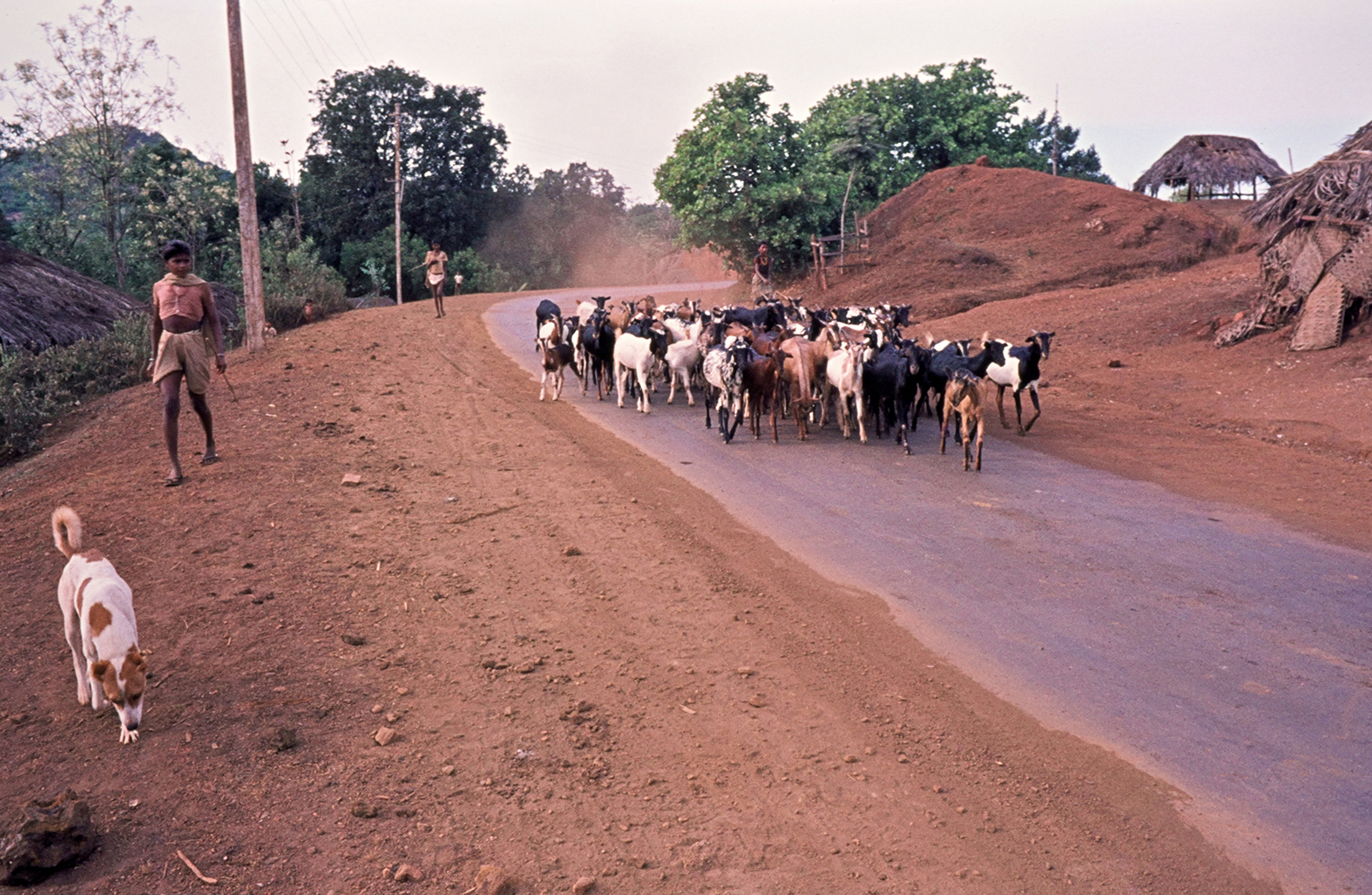

The fort, built on a rock, was constructed in 1764 by the Raja from nearby Sawantwadi. In 1825, the Goa-born freedom fighter Dr. Bernando Peres da Silva retired there and held out against the Portuguese occupation for many years. By then, however, Fort Tiracol had become a state-run hotel – and this became our beloved quarters for the following winters from 1979 to 1987.

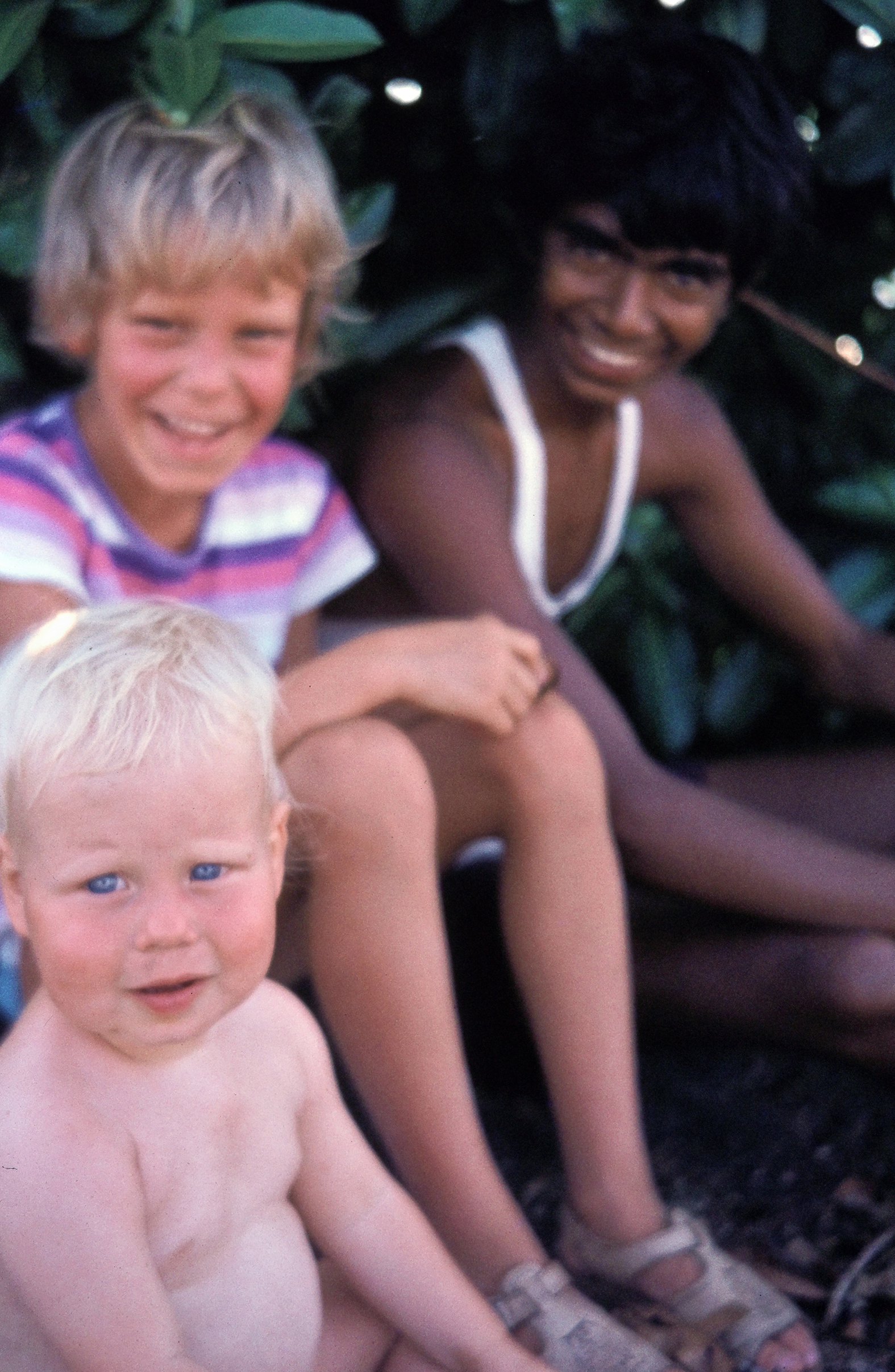
Since there were few tourists in Tiracol at that time, unlike today, we quickly made contact with the locals. We played soccer with the village youth against the neighboring village of Querim, which was on the other side of the Therekol River. My two sons, we had become parents again by this time, naturally stood out with their blond hair. Some of the villagers called them the boys with the «golden hair».


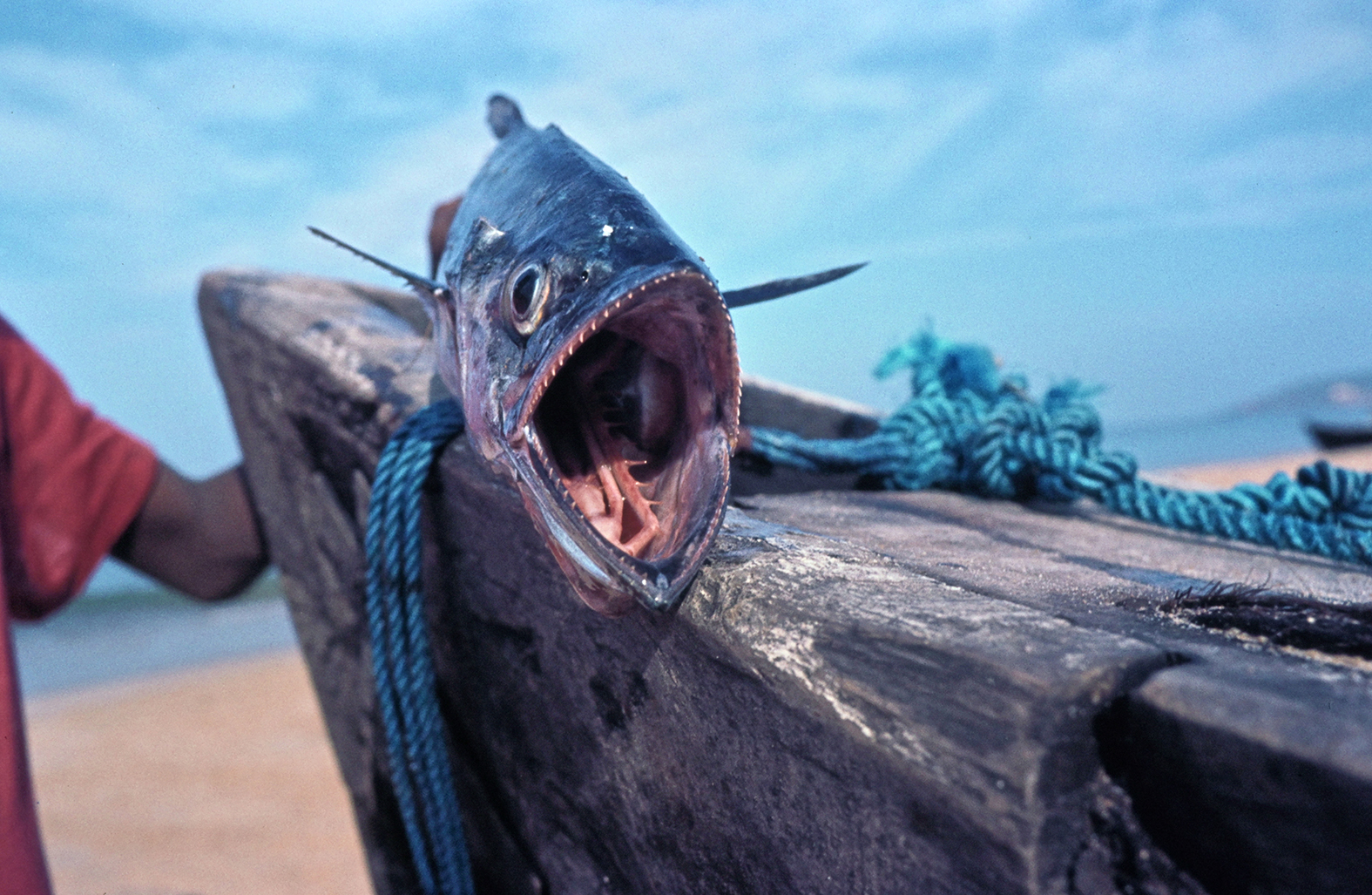
On a fish hunt — with flashlights and landing nets.
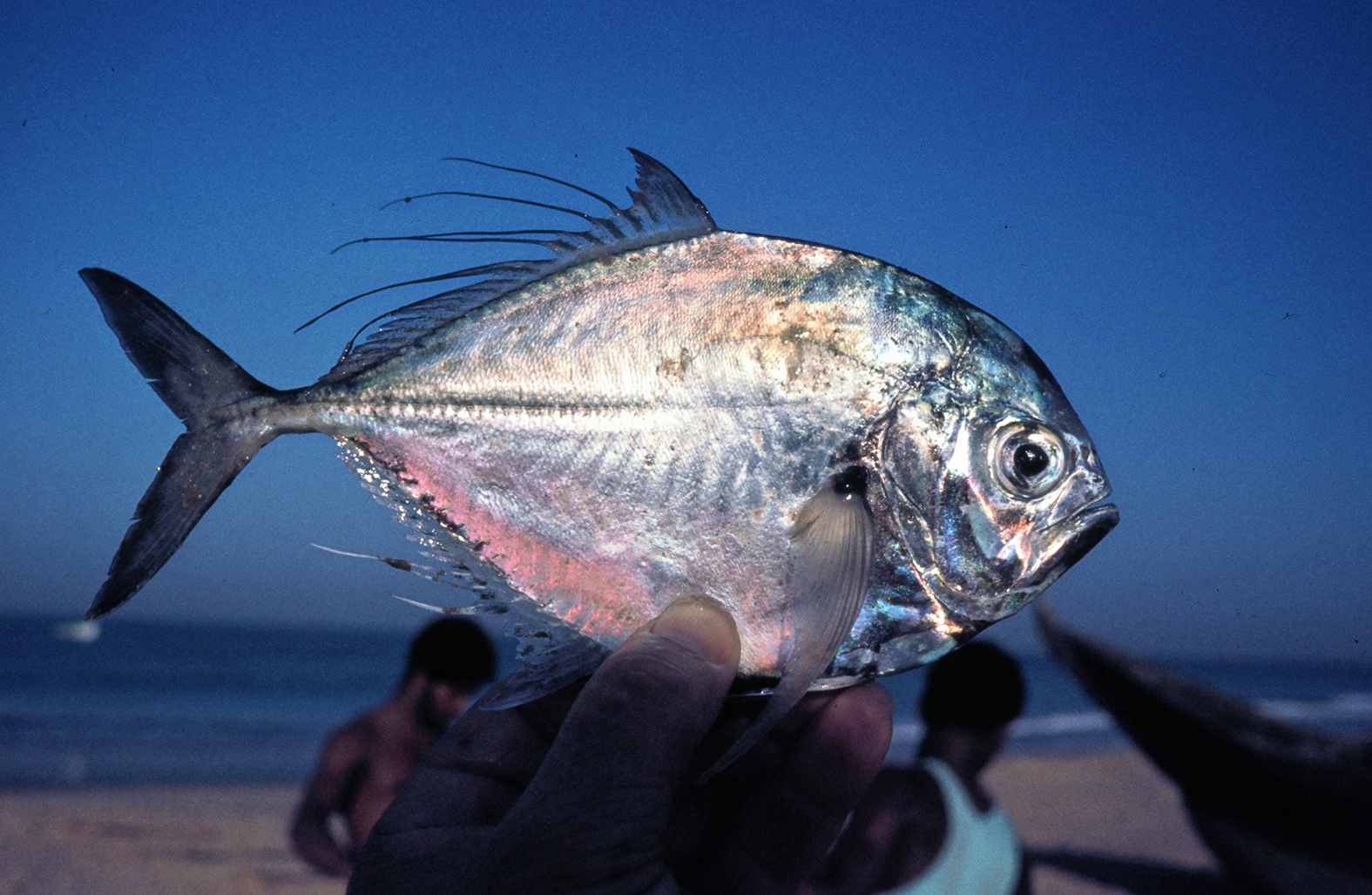
We traveled down the river in canoes made from mango trees. At night, we sometimes went fish hunting with landing nets and flashlights. Once we caught so many fish that we threw a party for the whole village. Since we didn't have any refrigerators to freeze the catch, we ate it all together that same night.




Some experiences, however, were less pleasant. Once, a villager invited me to go hunting with him at night. He shot a pregnant dog monkey that was hanging in his banana trees.
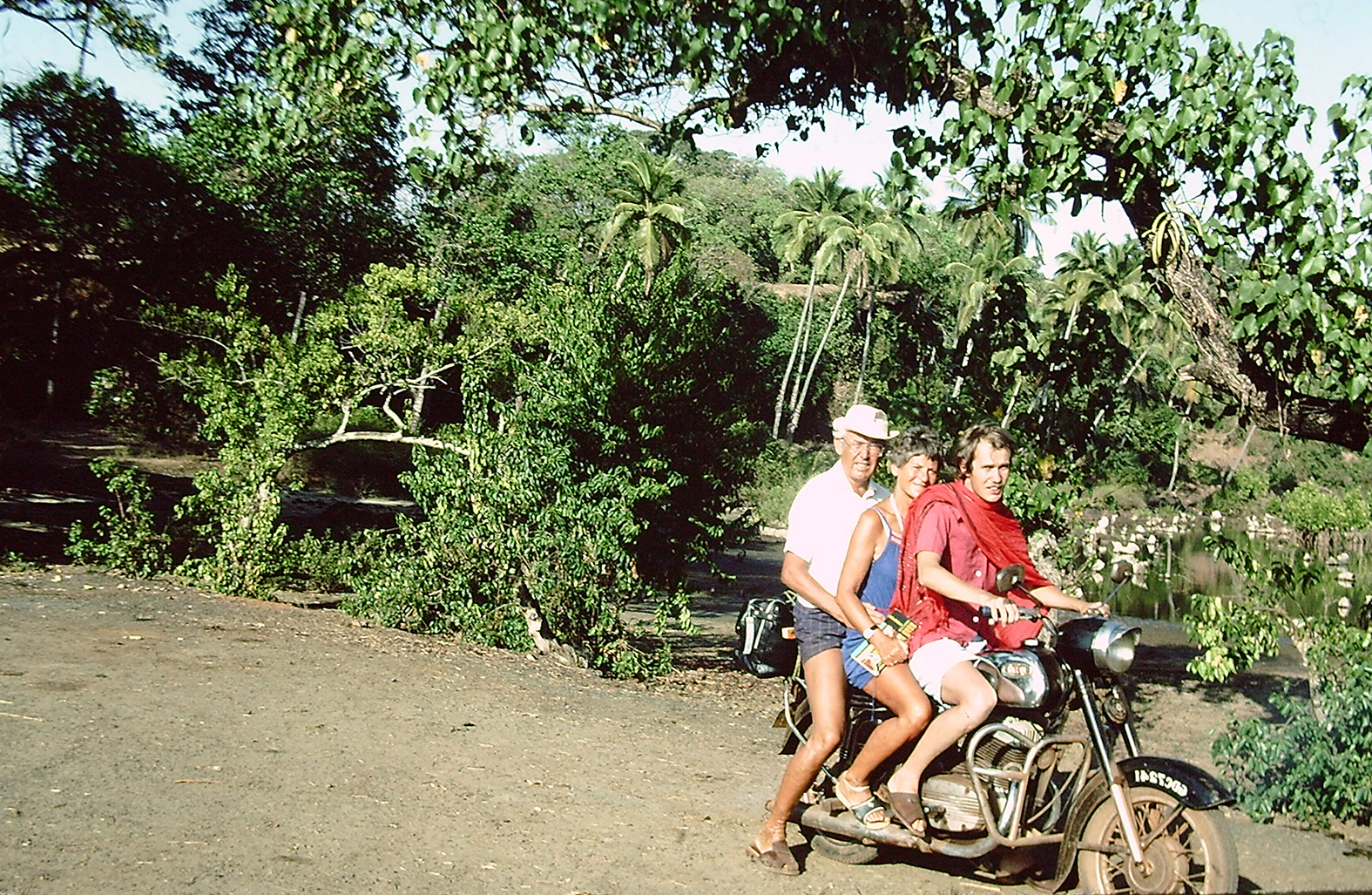


During the day, we went on excursions. We traveled through the country by bicycle or motorcycle, past sandy beaches with foaming surf, rice fields, and palm forests, the sweet scent of tropical flowers always in our noses. We often saw snakes and mongooses. But we had to be really careful of the free-roaming zebu bulls, which could become aggressive if you got too close.
When we came across small villages, the children often ran after us in the street, waving and shouting «Hippie, hippie» – word of the presence of long-haired tourists from all over the world had spread far and wide

The rhythm of another world.
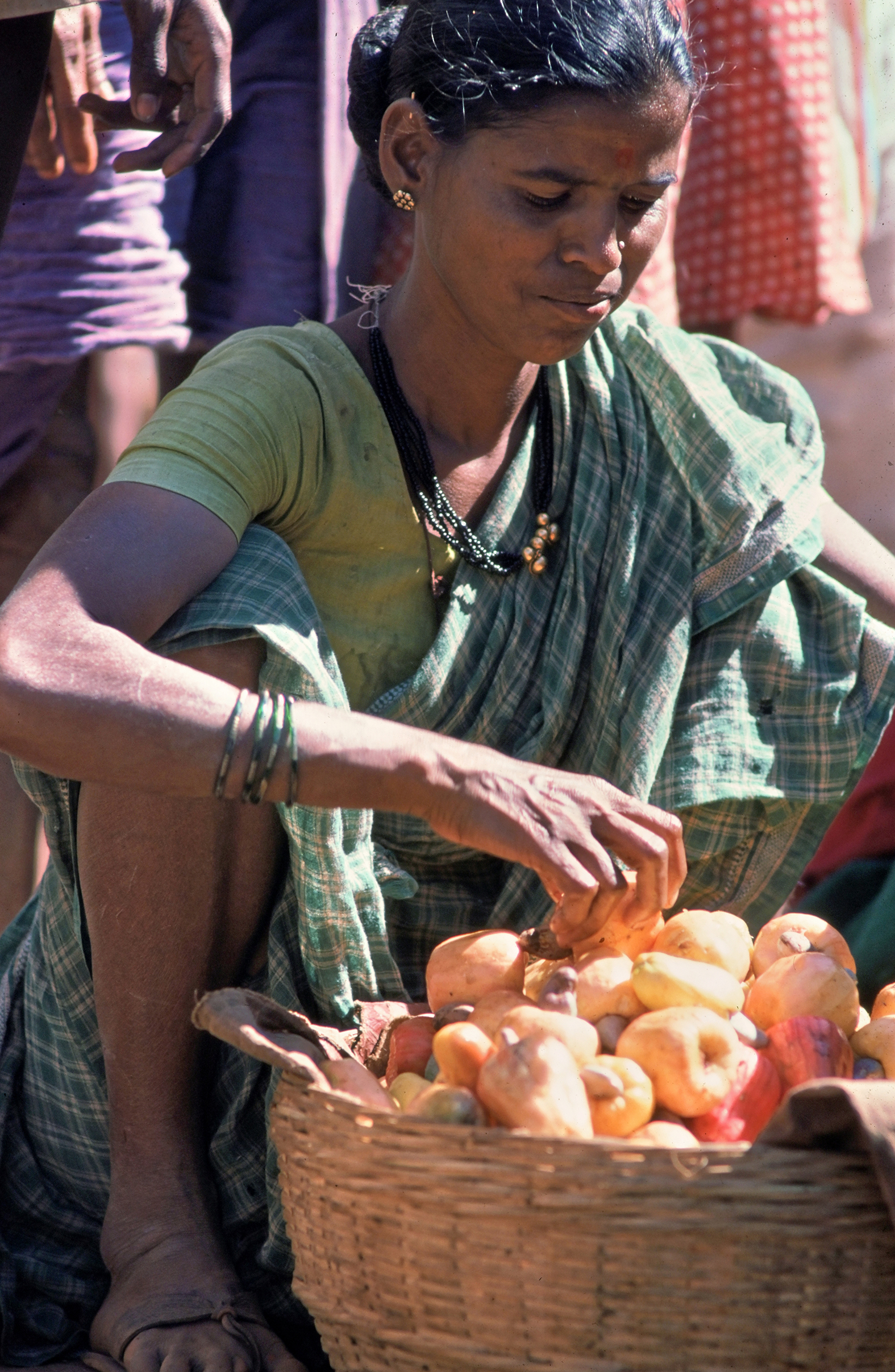
In return, we soaked up the impressions of this completely different world and quickly got used to its rhythm and tropical nights. At the market in Mapusa, we stocked up on food and watched a Hindu saint sitting at an altar decorated with flowers, reminding traders and market visitors of their faith.
Over the years, we made many friends in Goa, some of whom we still have today. And time and again, we threw ourselves into the waves of the Arabian Sea and washed away all the stress from home.
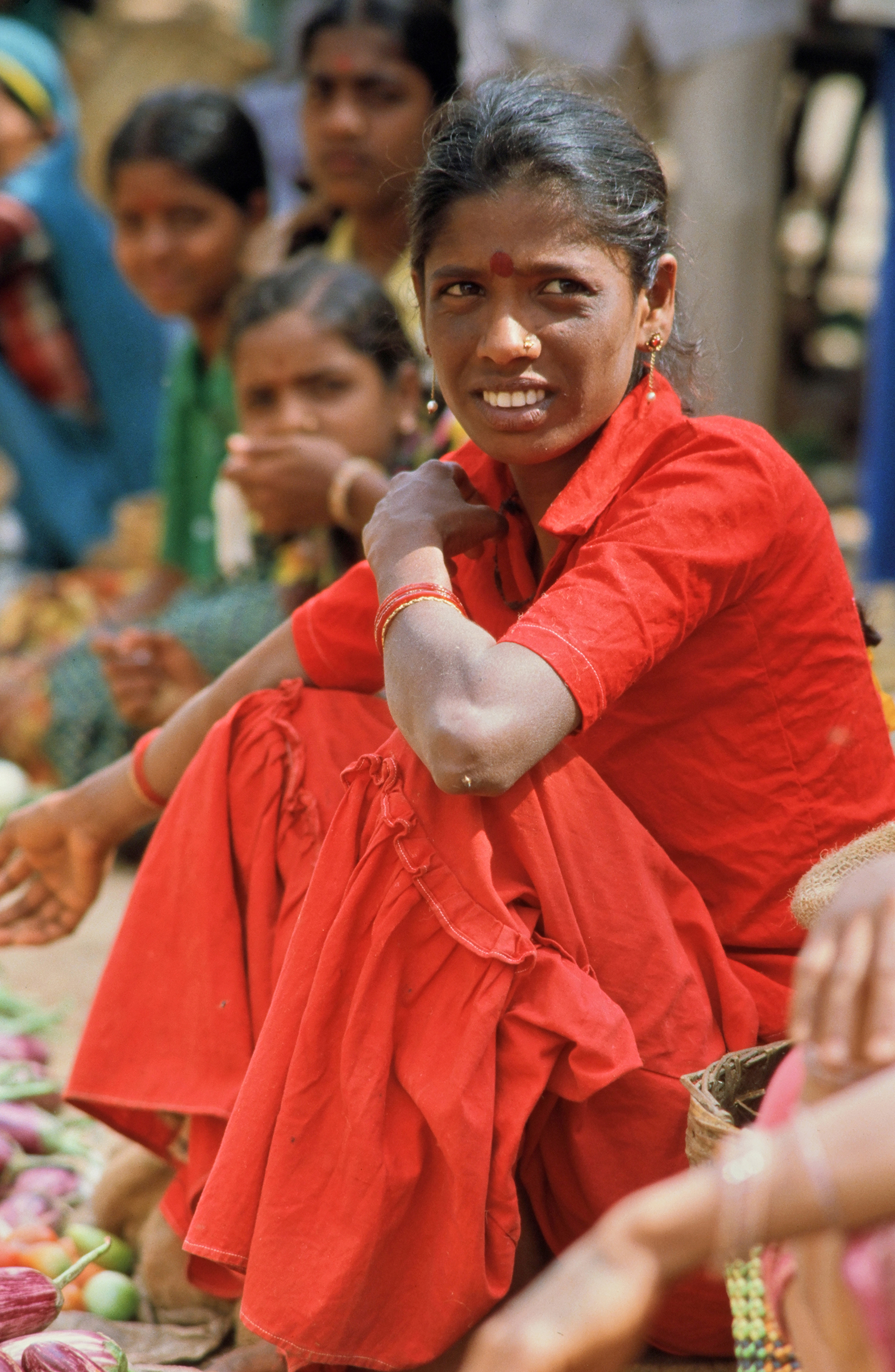
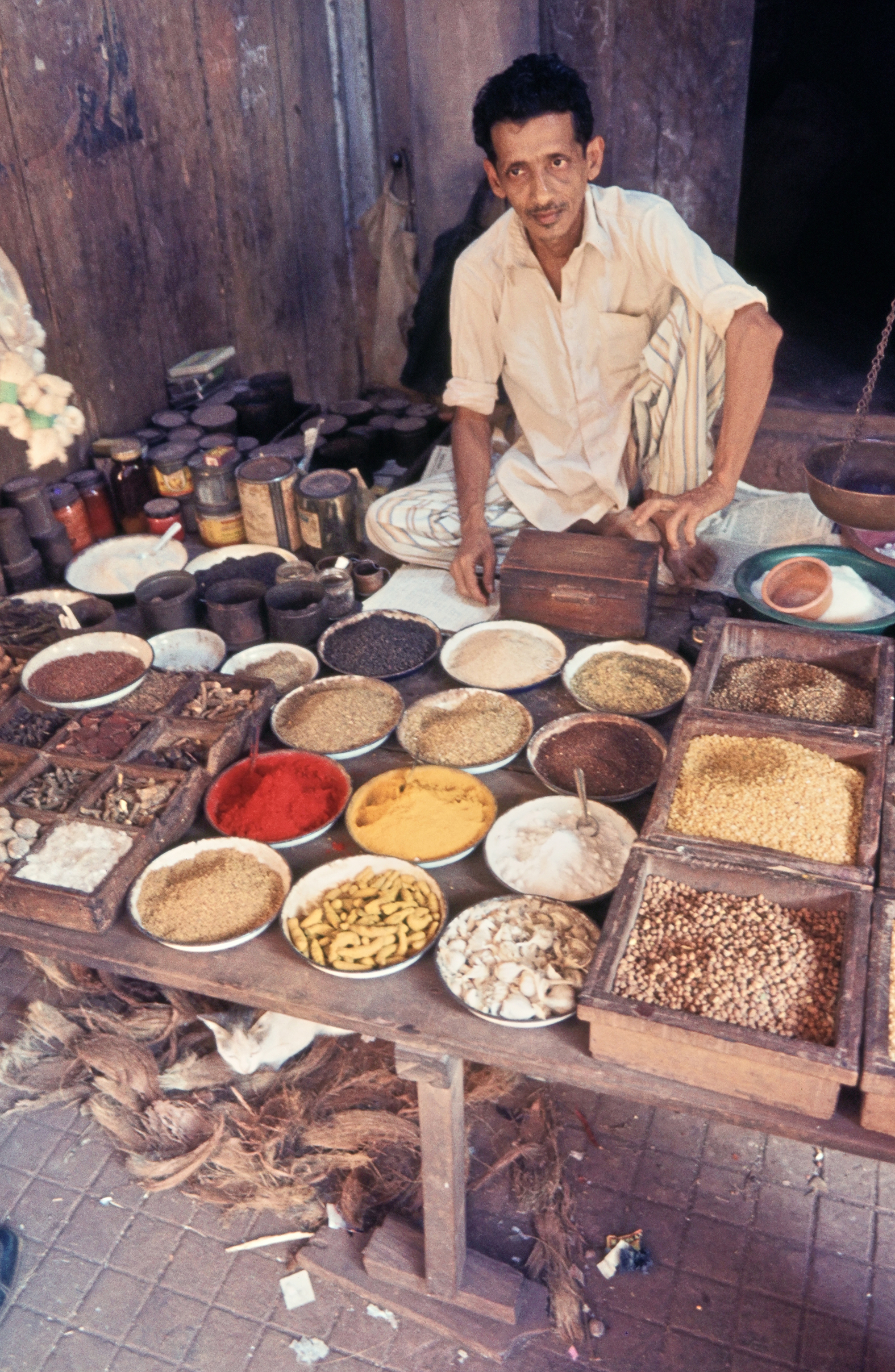


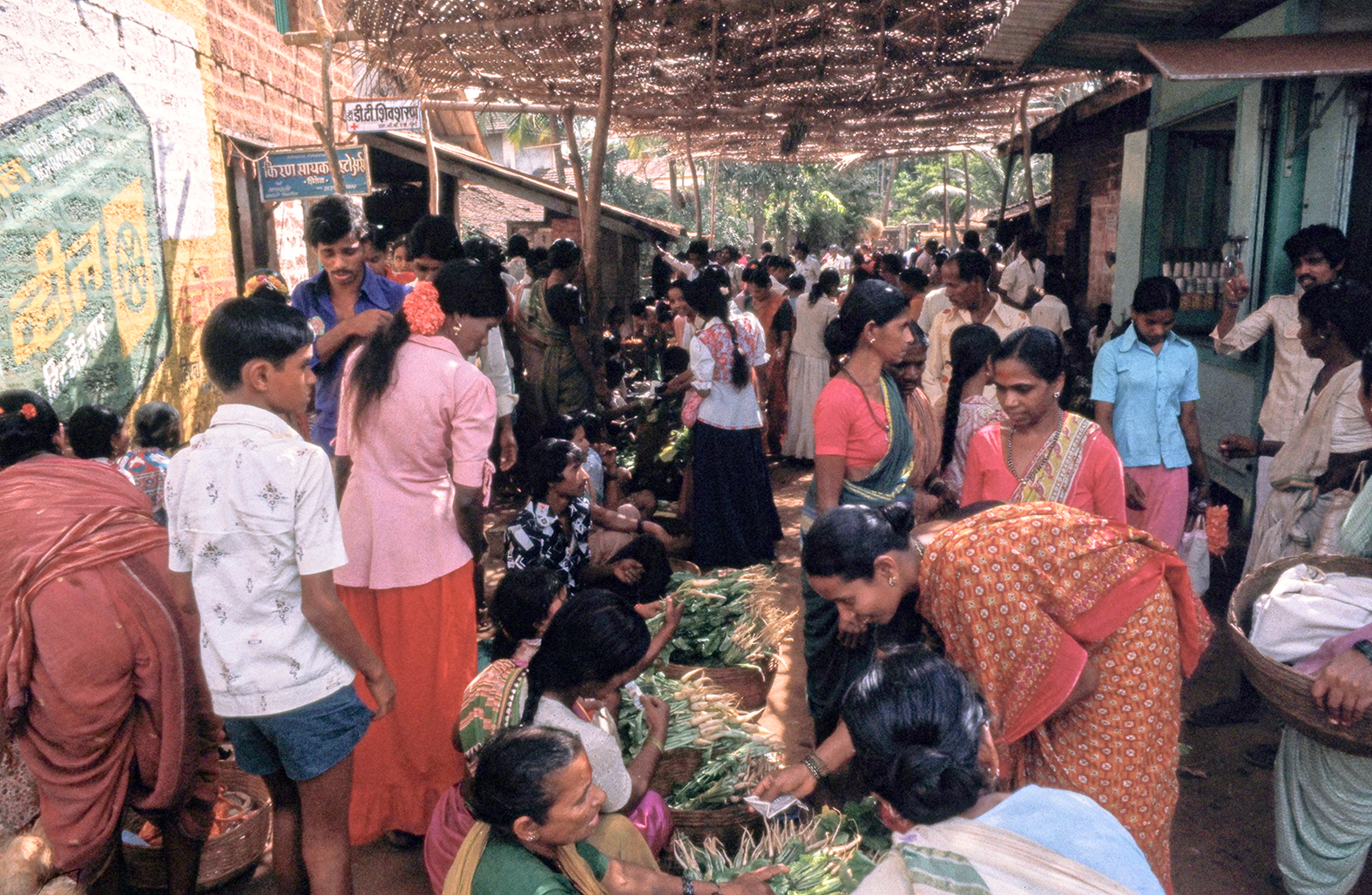



It was only much later that I realized that our winter escapes to Goa gave me the strength to run my popcorn machine business the way I did. By being able to recharge my batteries in a completely different world and constantly broaden my horizons, I often came up with unusual ideas that I could implement at home.
continue traveling ...

Kumbh Mela — A festival like no other. In January 2010, I traveled to Haridwar to witness the Kumbh Mela with my own eyes — the largest religious festival in the world. Millions of devotees gathered to bathe in the sacred Ganges. What awaited me there was far more than a spectacle: an overwhelming encounter with faith, rituals, and a spiritual force that moved me deeply.
Helmut Haase
Photography & Stories
Alle Texte und Fotos sind urheberrechtlich geschützt. Wenn Sie an der Nutzung bestimmter Inhalte interessiert sind, nehme ich gerne Ihre Anfrage entgegen.
© Helmut Haase 1975 – 2026