Kumbh Mela — Where millions celebrate their faith.
The Kumbh Mela is the largest religious festival in the world—an event I longed to experience with all my senses. Millions of devotees stream to the Ganges to purify themselves, surrounded by rituals, colors, and profound spirituality. In January 2010, I traveled to Haridwar. What I encountered there was no ordinary journey, but an encounter with another world, one of mysticism and intensity.

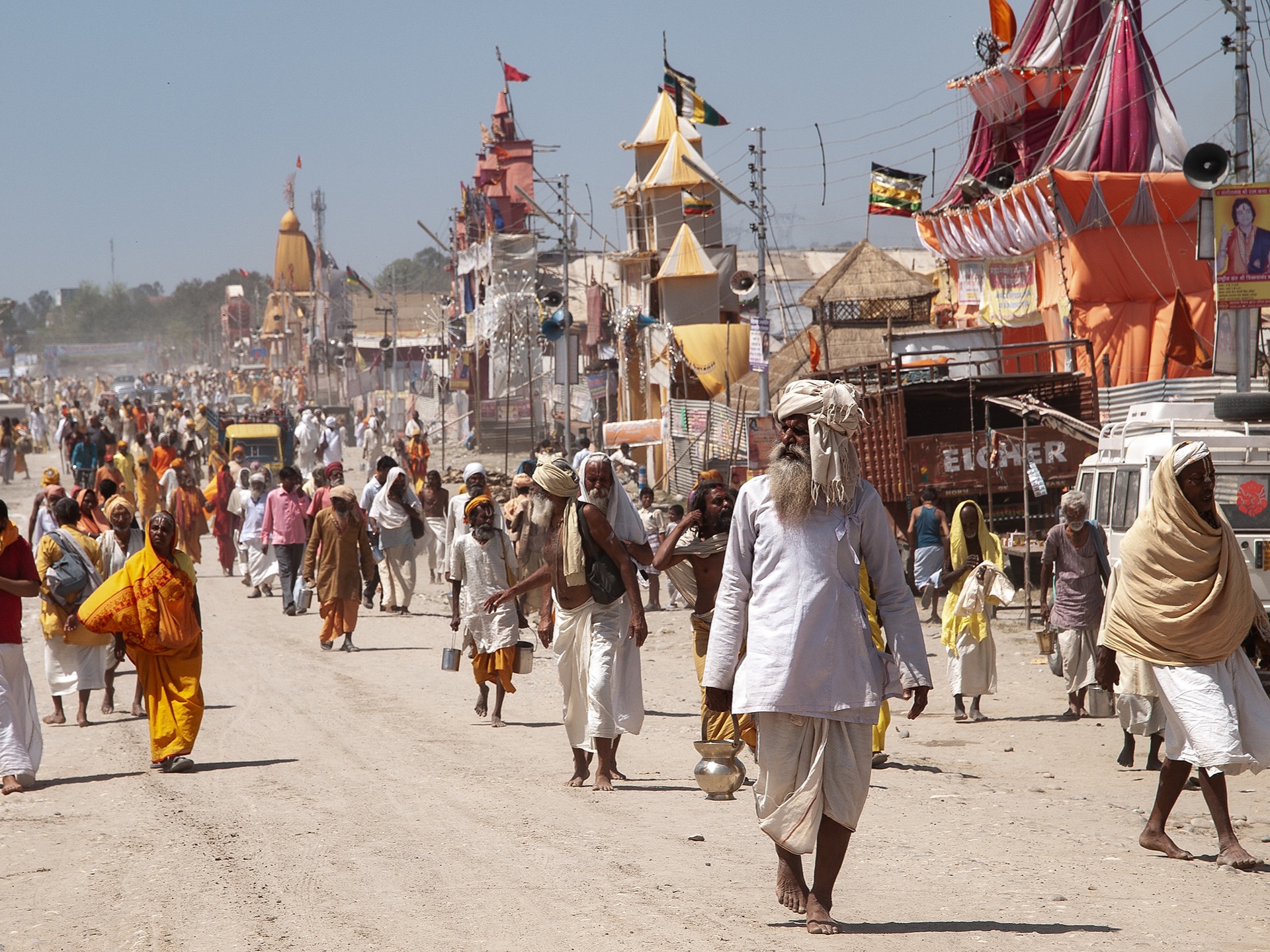
Arrival in Haridwar, the Gateway to the Gods.
I already sensed that my stay in the pilgrimage town of Haridwar in January 2010 would be a special one on my way there. I had flown from Frankfurt to Delhi, taken an express train north, and arrived at the train station in Haridwar five hours later. But one thing puzzled me: It wasn't as busy as usual.

Believers at the tracks. The spiritual journey begins at the railway station.

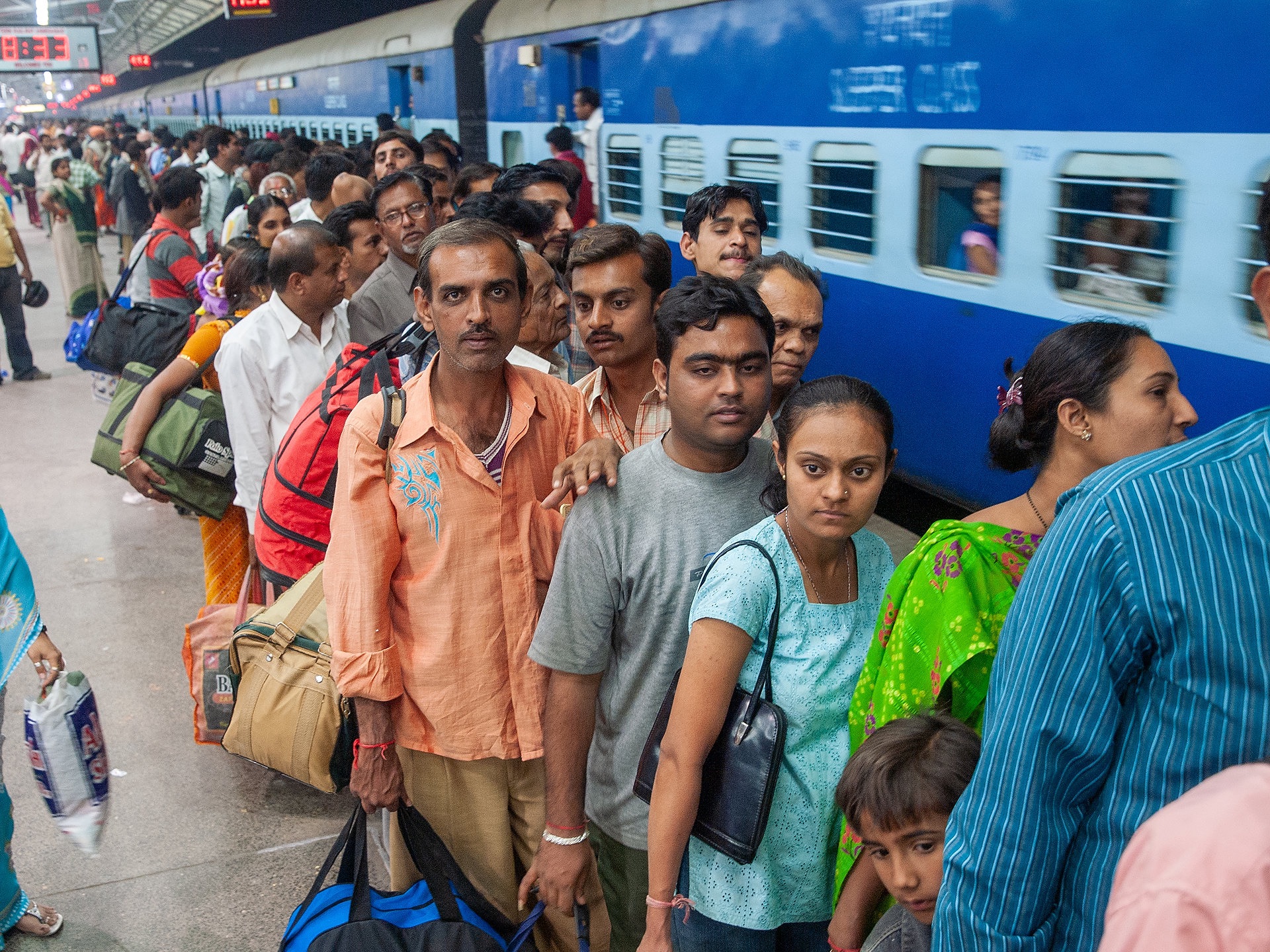
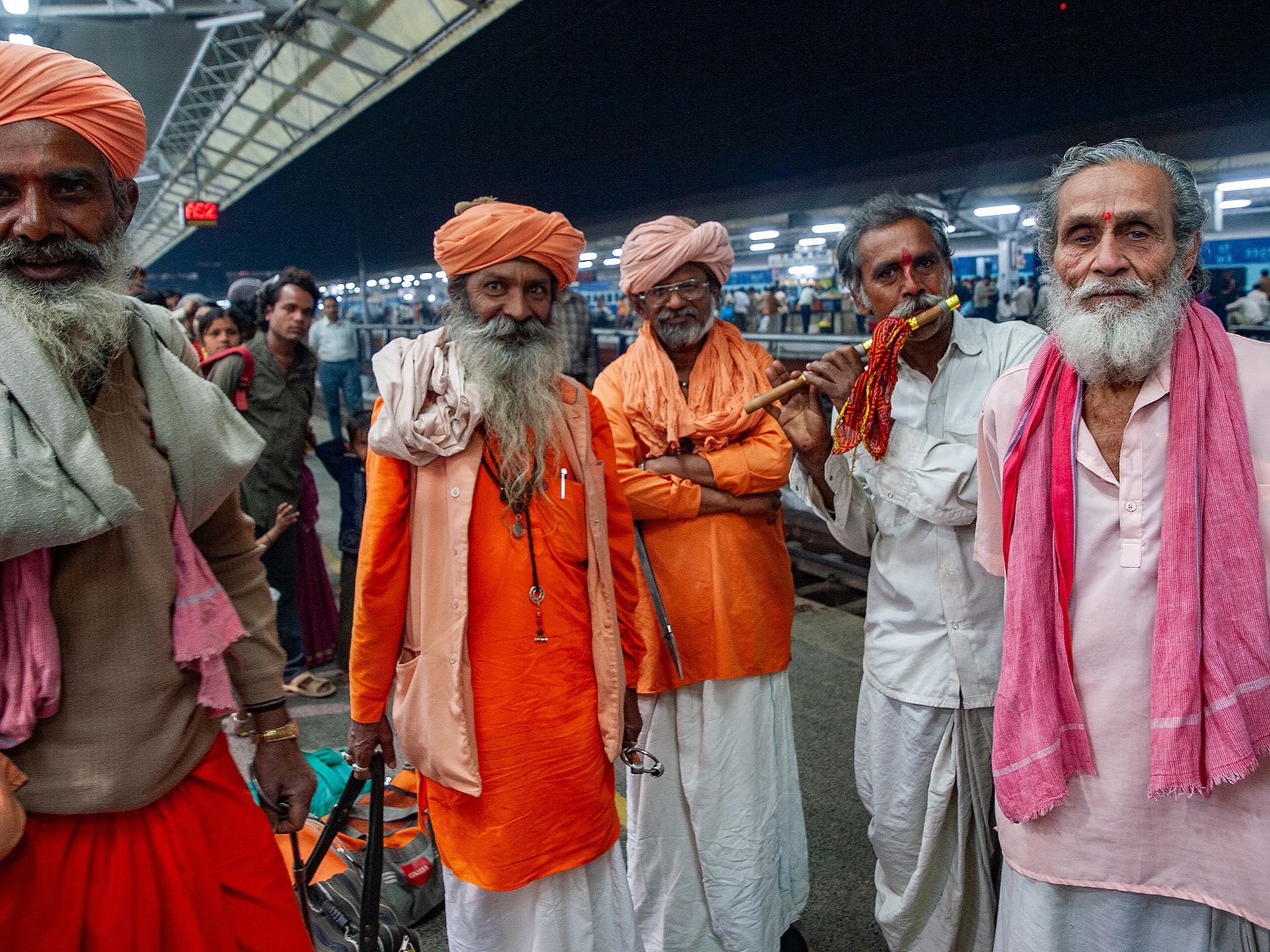
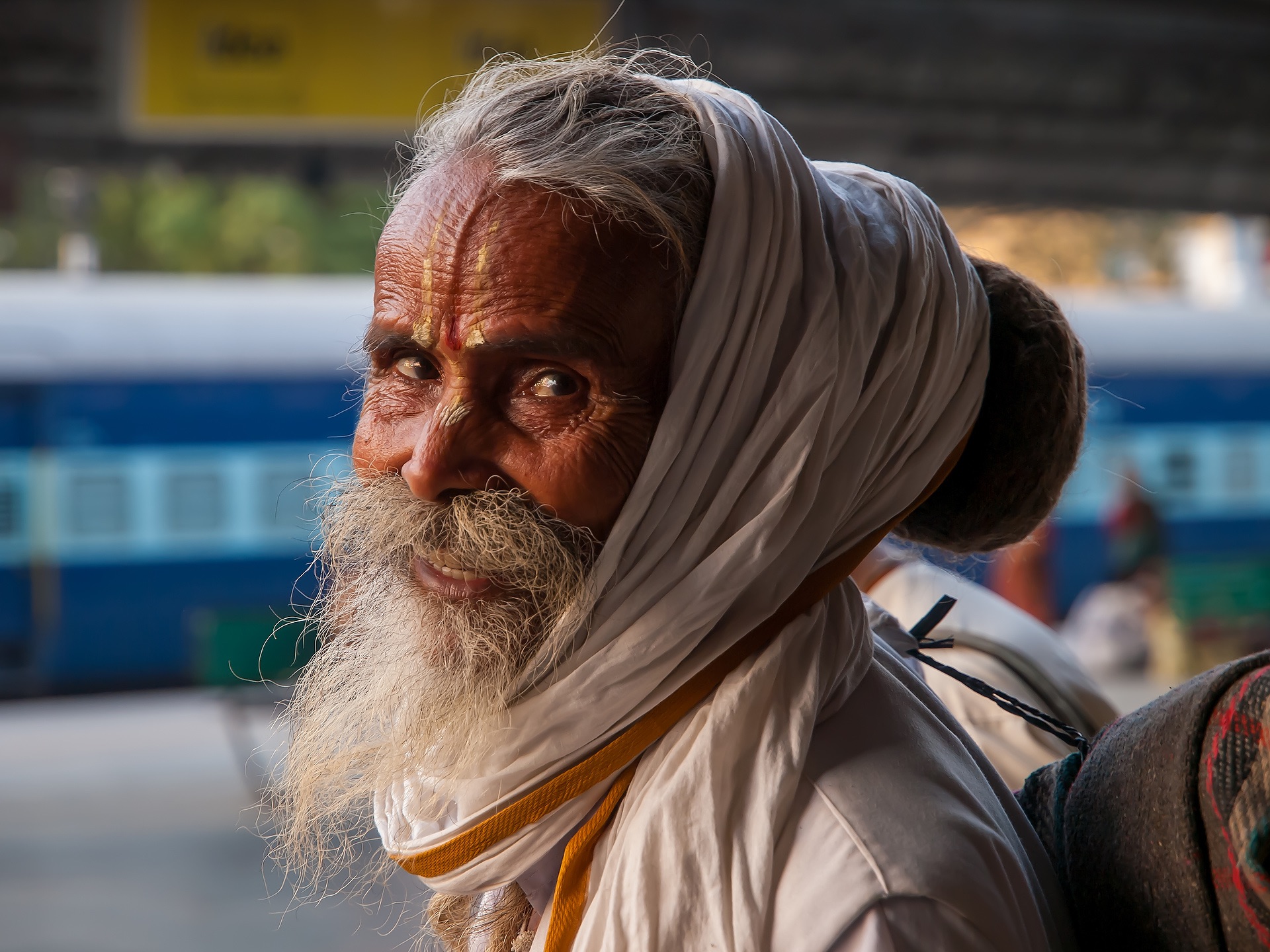
What's more, none of the rickshaw drivers outside the building were willing to take me and my luggage to my hotel, even though it was only a 15-minute walk away. Only after I offered an extremely high sum did two porters agree to help me. They loaded my luggage onto their shoulders and set off – on foot. I soon realized why the rickshaw drivers had refused to take me: After just a few steps, we were stuck in a crowd of people and could only move forward inch by inch.
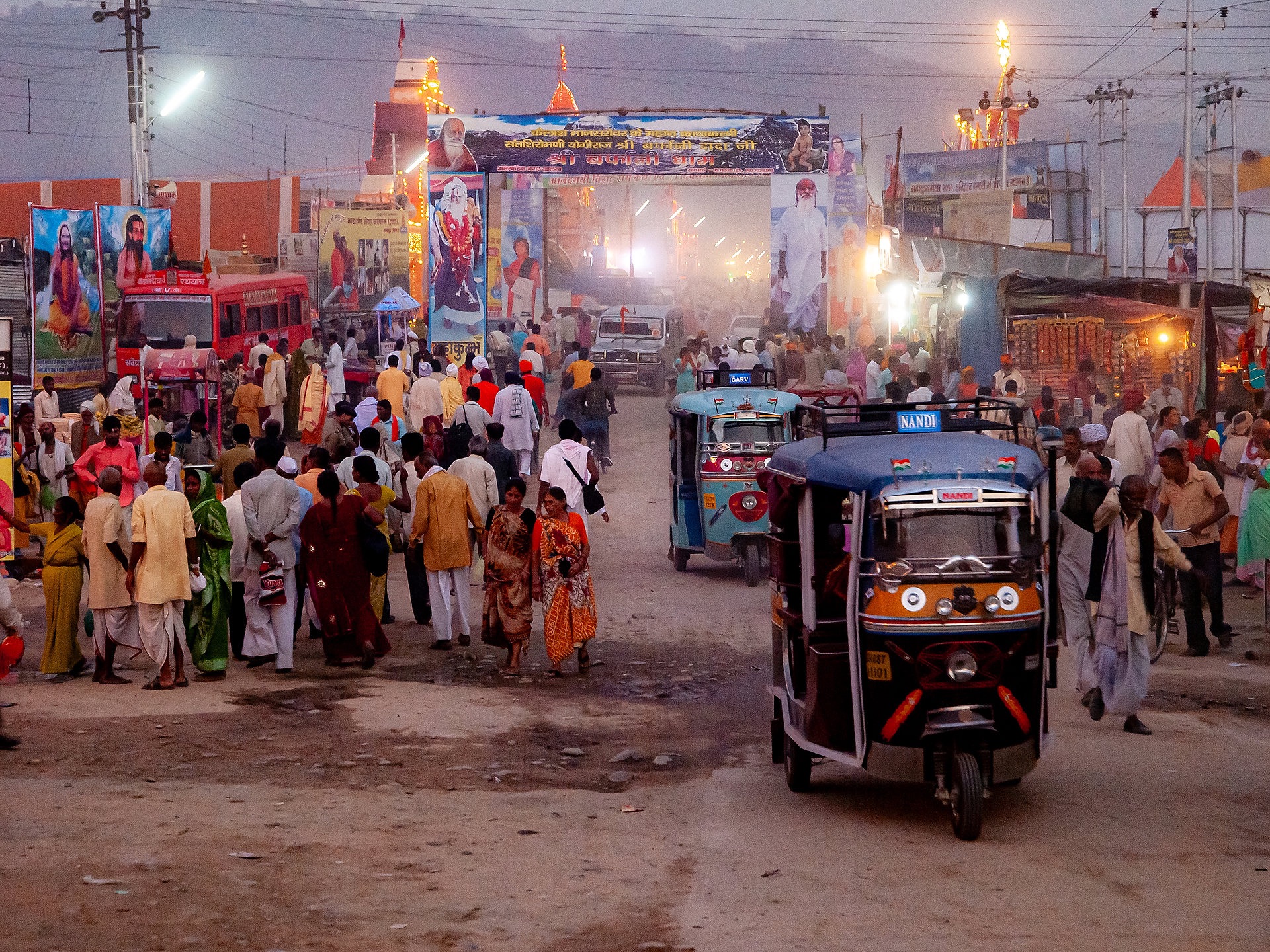
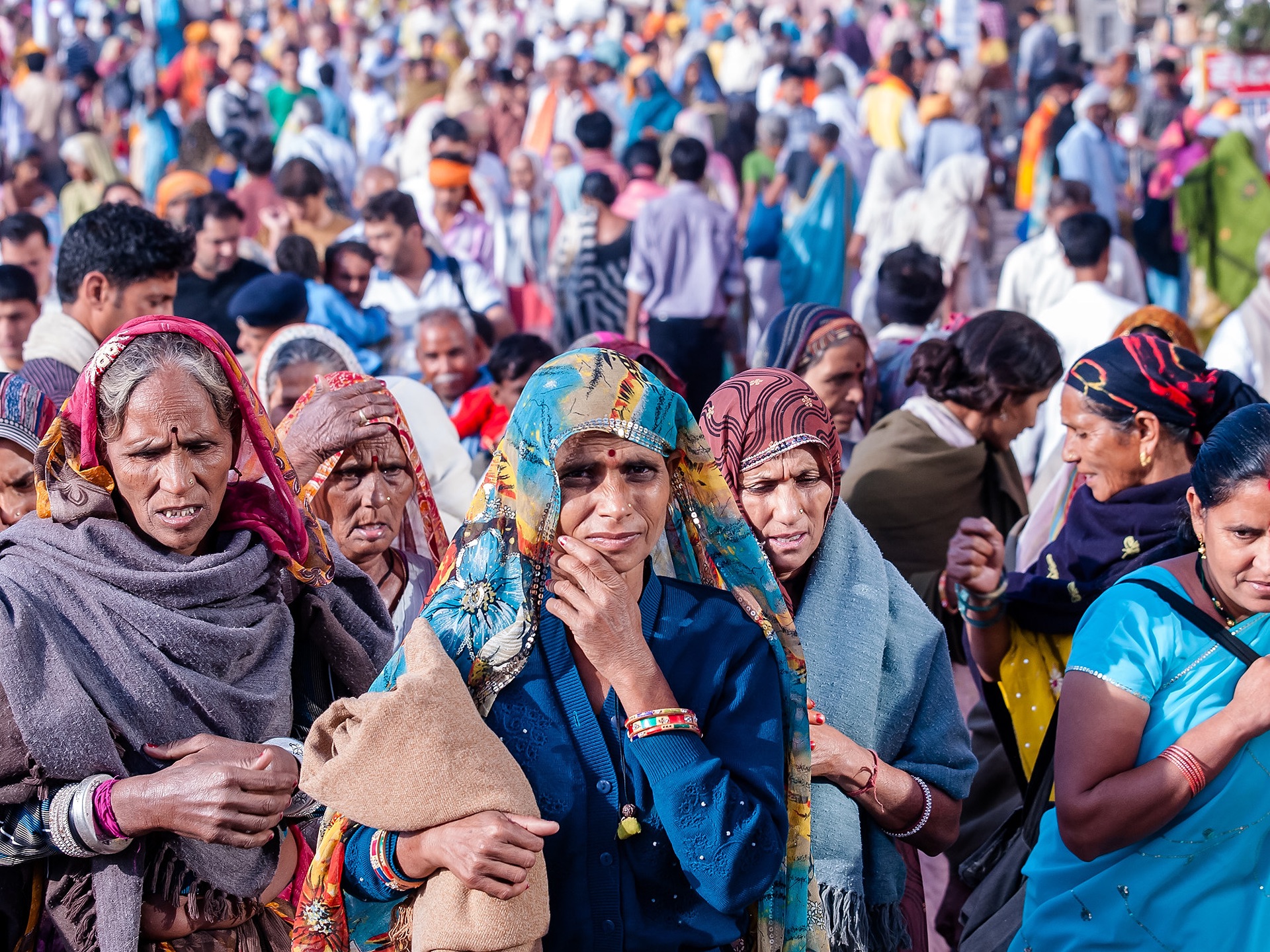


After all, I wasn't the only one who had had the idea of traveling to Haridwar for the world-famous Kumbh Mela. To be precise, I was one of 50 million visitors who took part in the Hindu festival in 2010, which is considered the largest spiritual festival in the world. You can vividly imagine what such a crowd of saints, pilgrims, and onlookers means in a city that had a population of around 220,000 at the time.
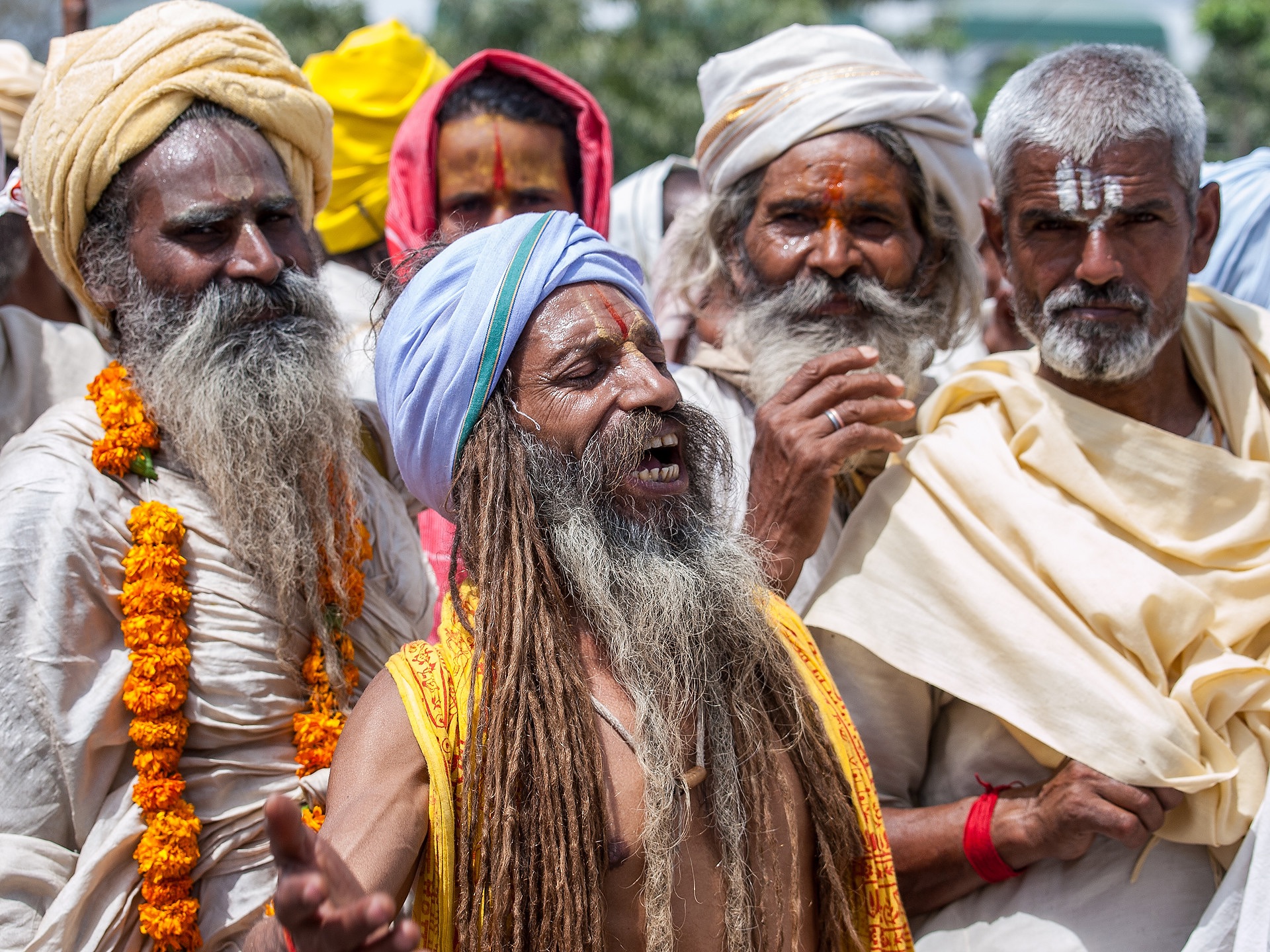
The procession of the holy men.



Together with the porters, I found myself at the edge of the «Sadhu Akharas procession» – a long parade of holy men who blocked all the roads. Countless people stood at the sides of the streets, transfixed by the spectacle of the «Naga Sadhus» who wandered around completely naked or wearing only skimpy loincloths.
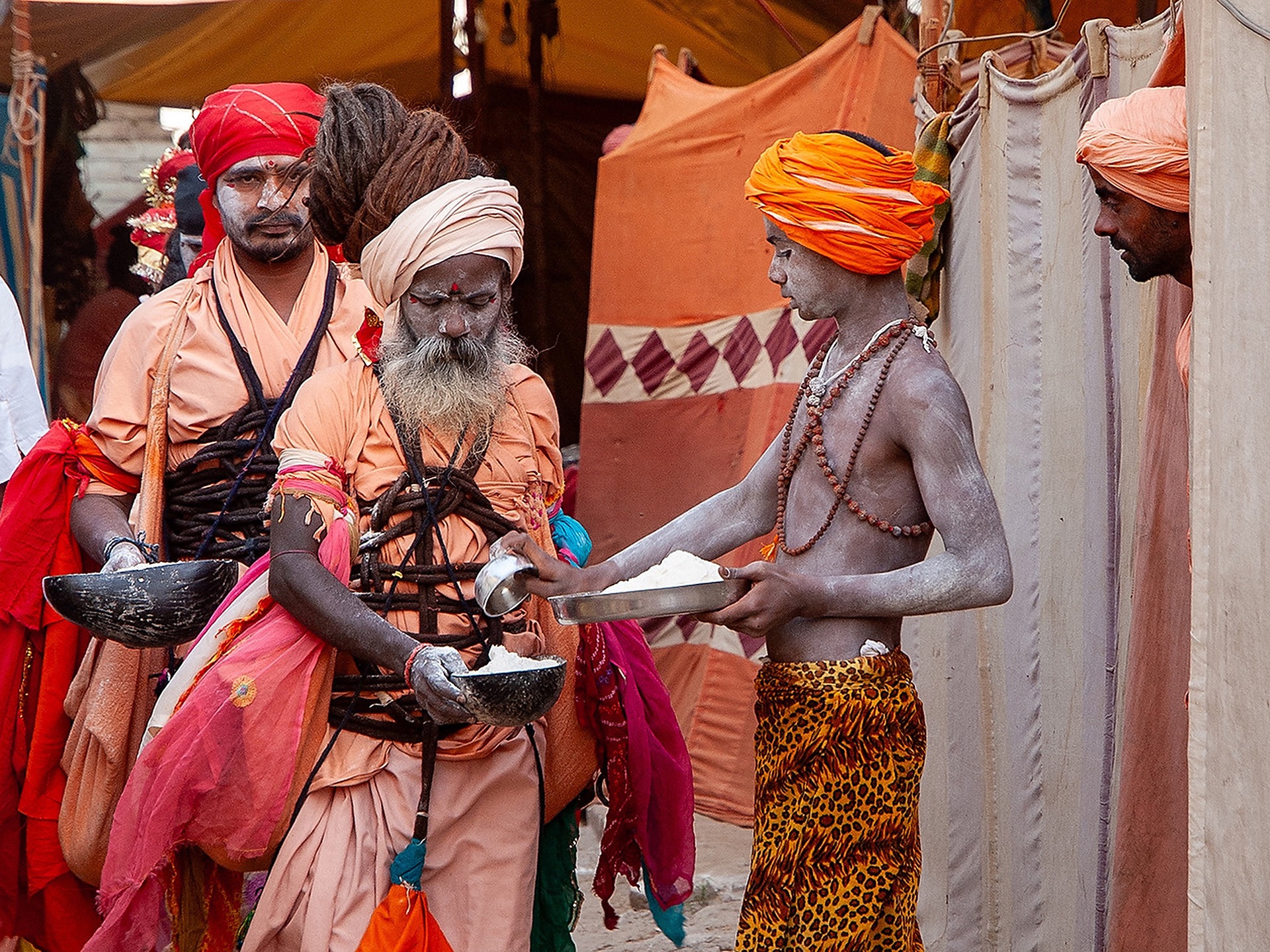

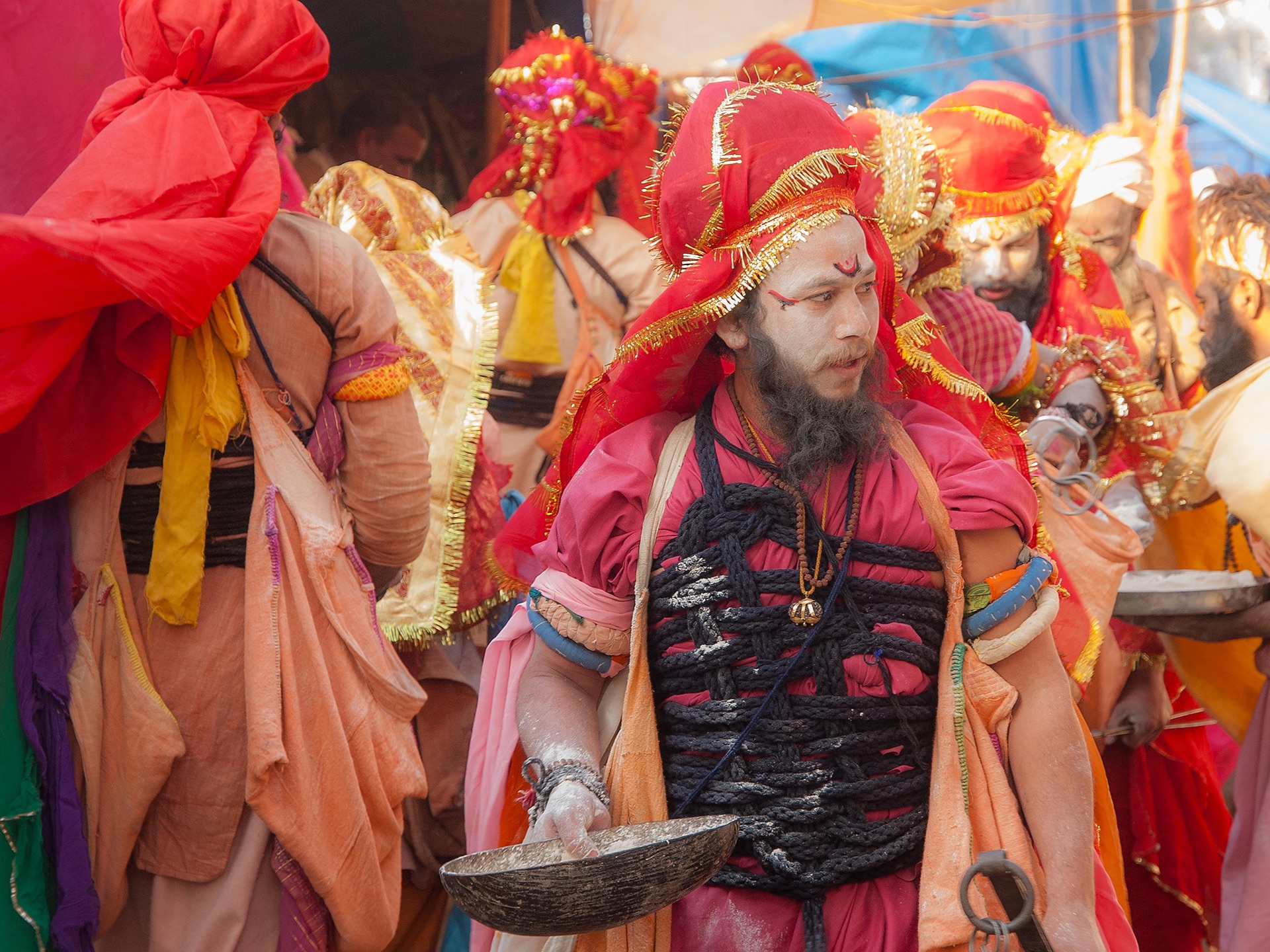
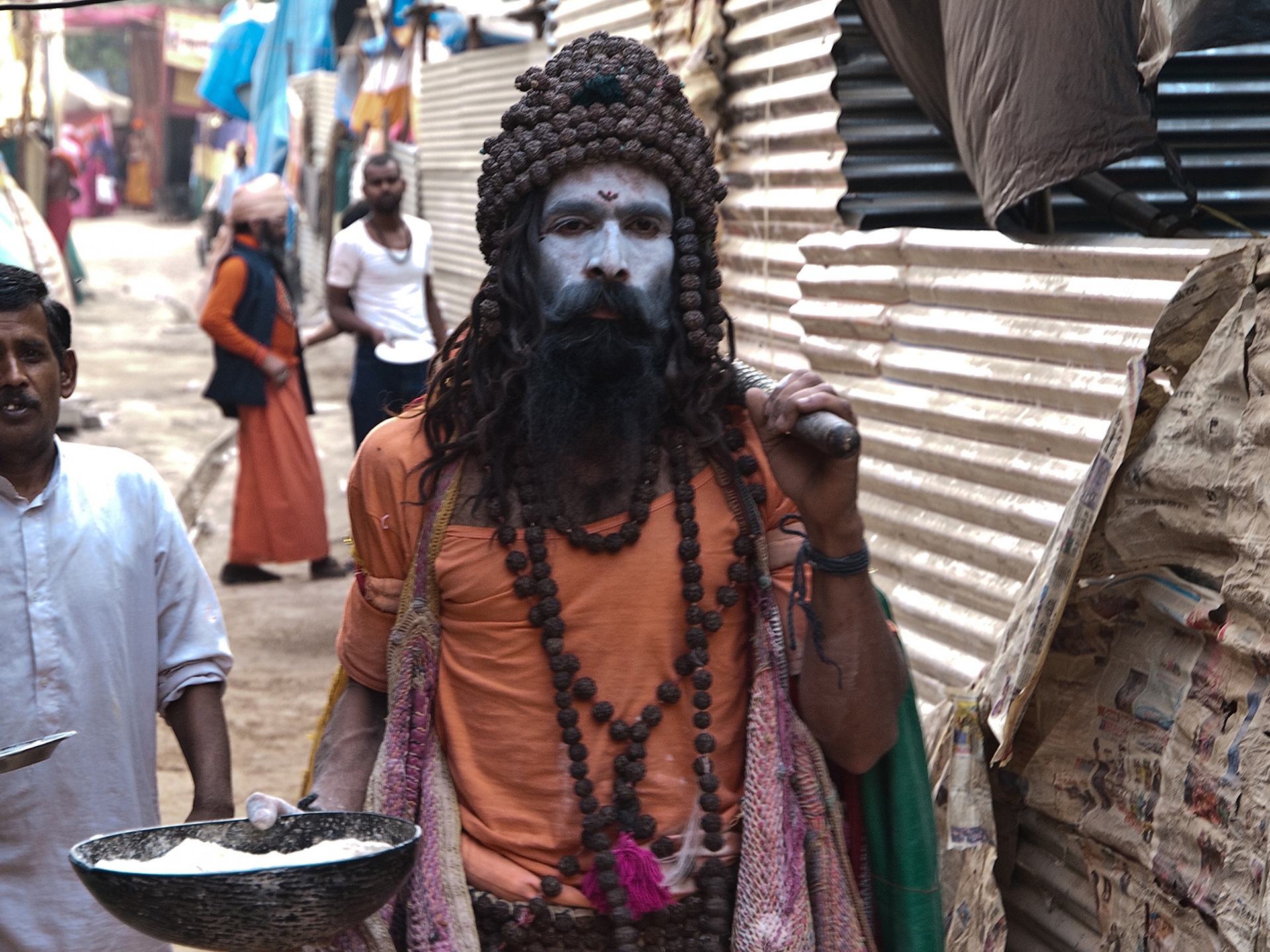

Some rode proudly and majestically on horses or camels, others had made the pilgrimage to the holy site on the Ganges on foot. Some wore their hair in dreadlocks that reached almost to the ground. Others carried pointed tridents or sharp wire frames, with which they performed dangerous stunts at close range to the crowds.

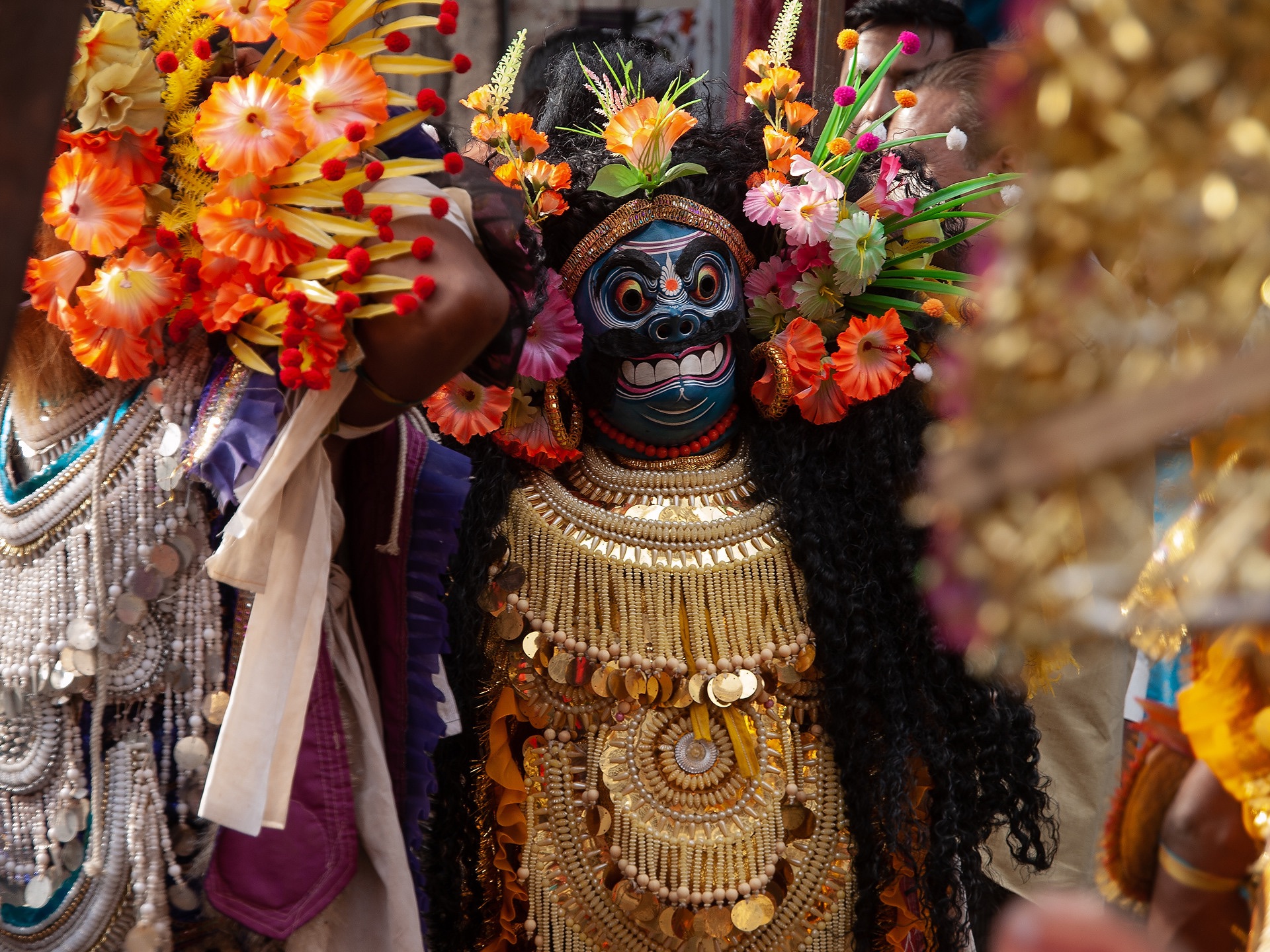


Their skill and body control were impressive. The brass bands and the honking of cars and tuk-tuks in the background seemed to cheer them on. Bagpipers provided catchy rhythms, and between them, acrobats danced on long stilts.

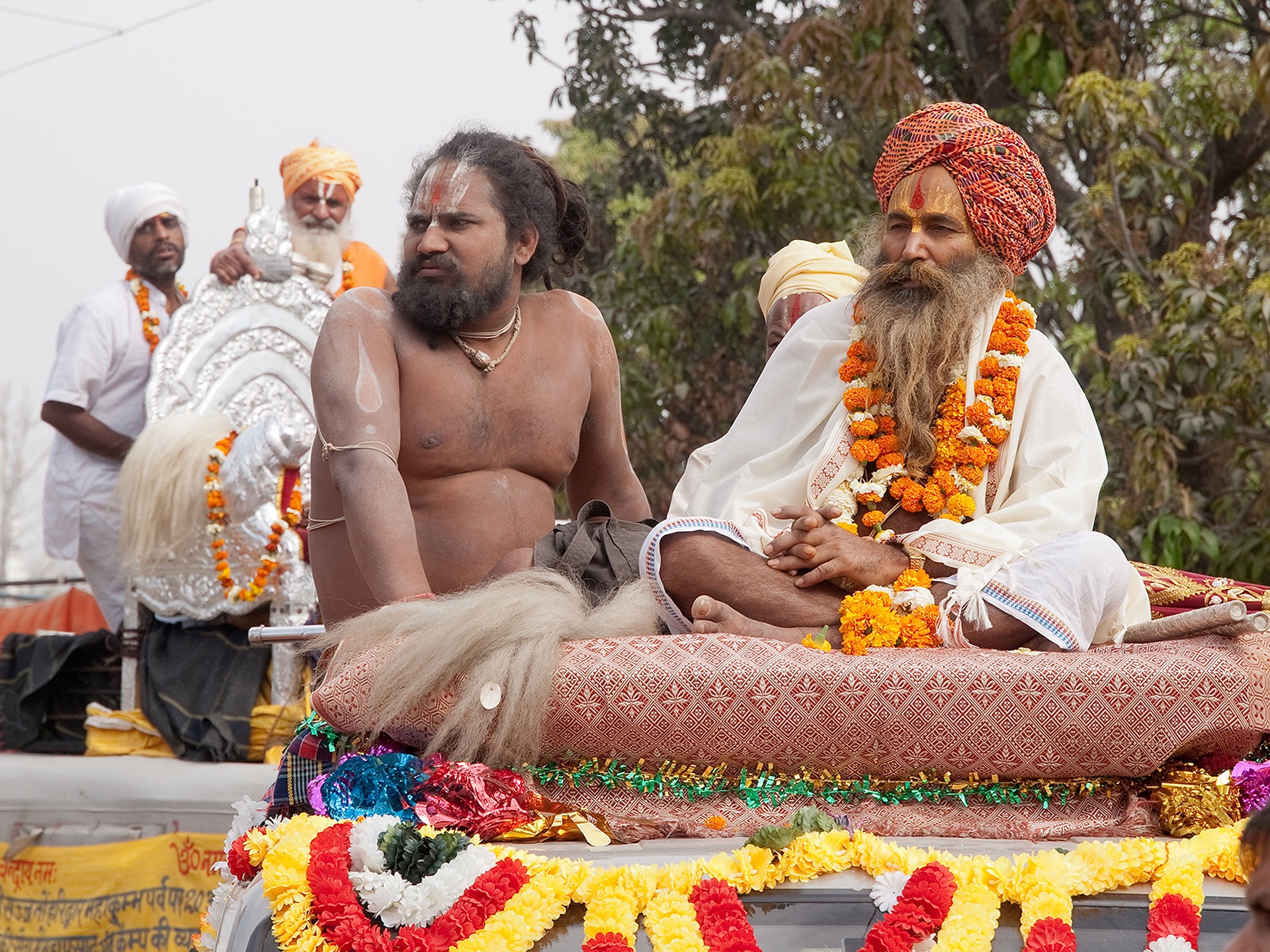
Floods of pilgrims and celebrated gurus.
Next, we saw some of India's most famous gurus sitting on flower-decorated trucks, closely followed and surrounded by a huge crowd of followers who cheered, clapped, and marveled.
No sooner had I arrived in Haridwar than I found myself in a spectacle that seemed out of this world. After more than two hours in the crowds, the two porters and I reached my hotel drenched in sweat – and out of sheer gratitude, I doubled their wages.

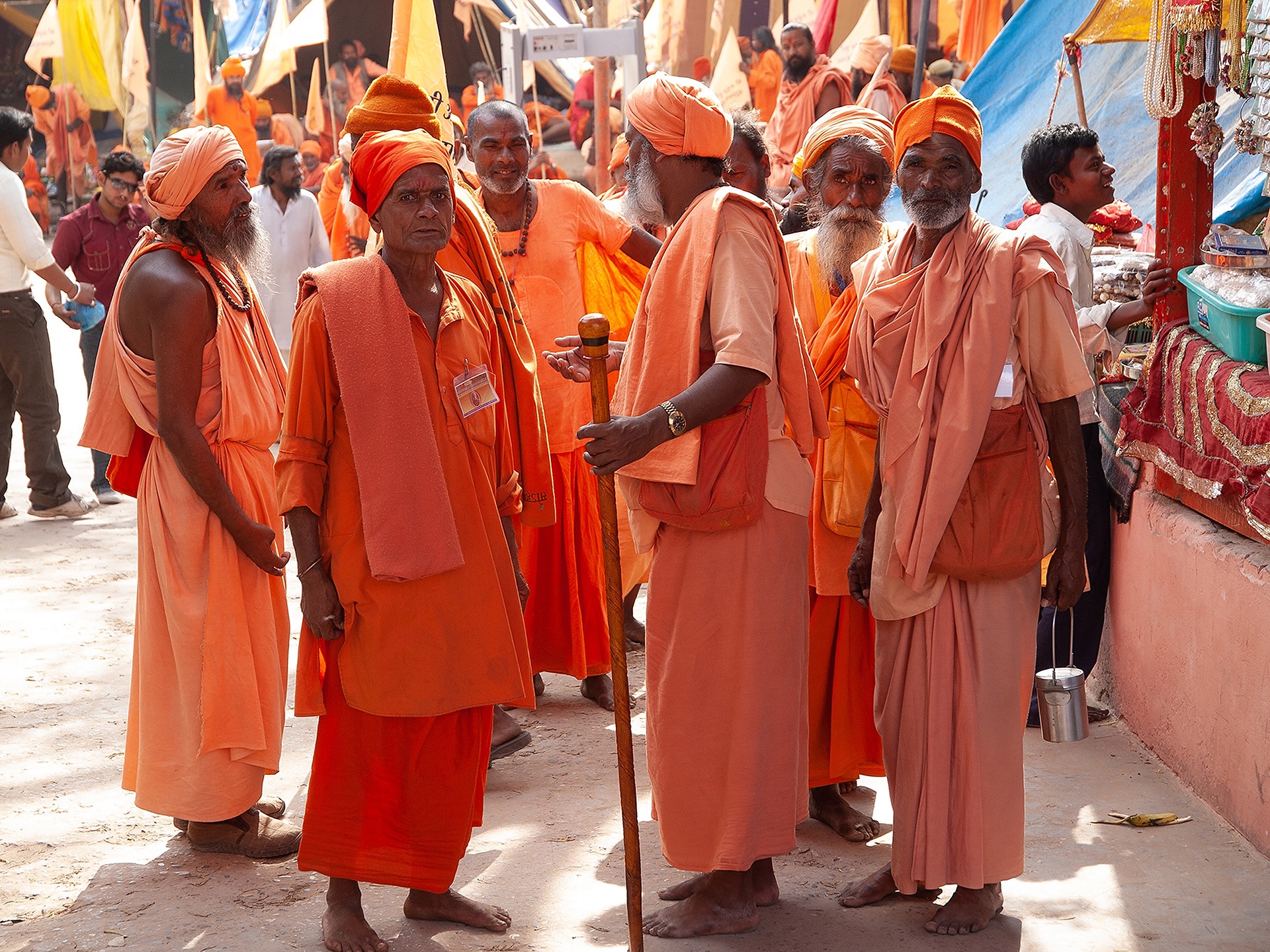

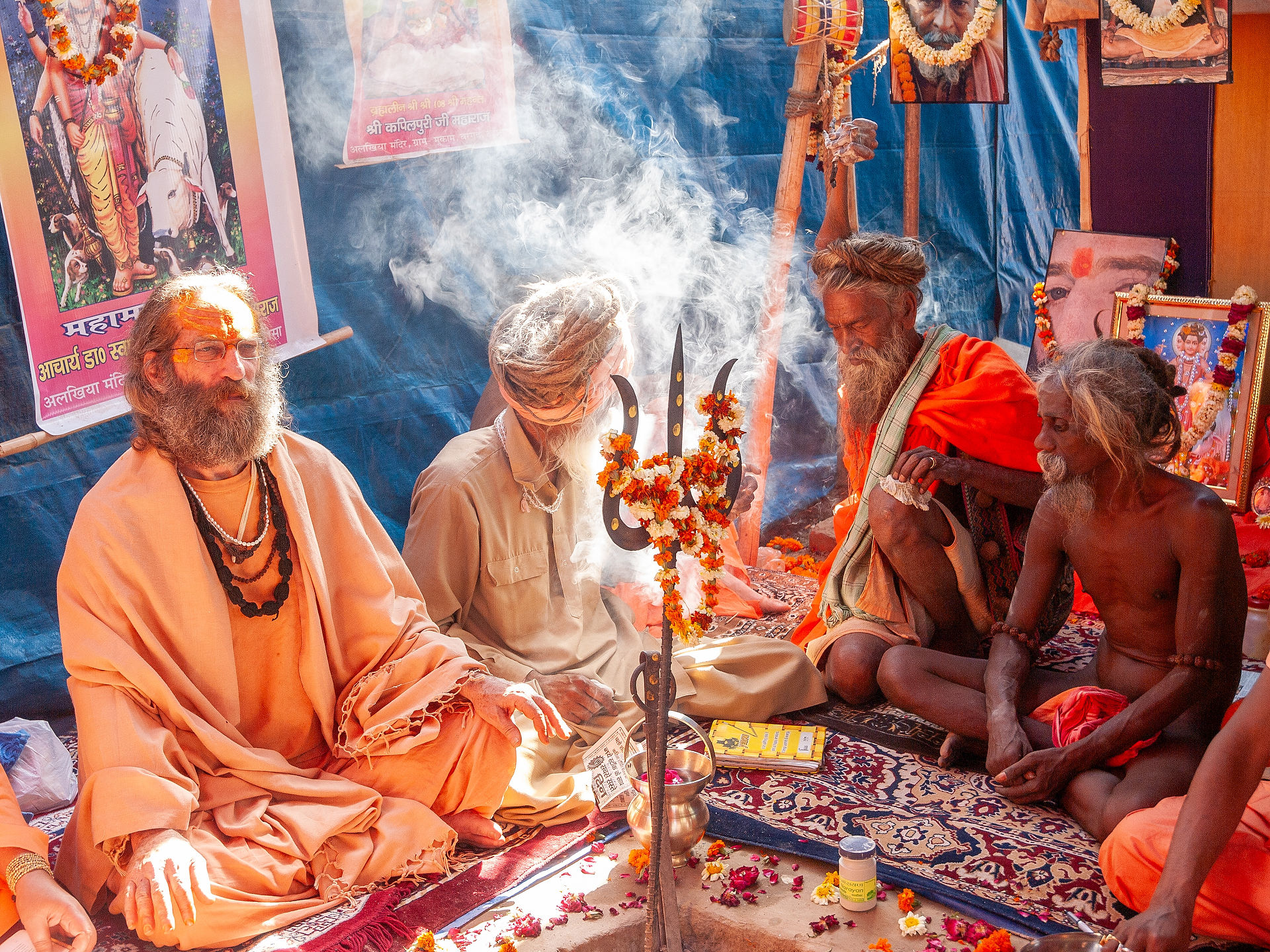
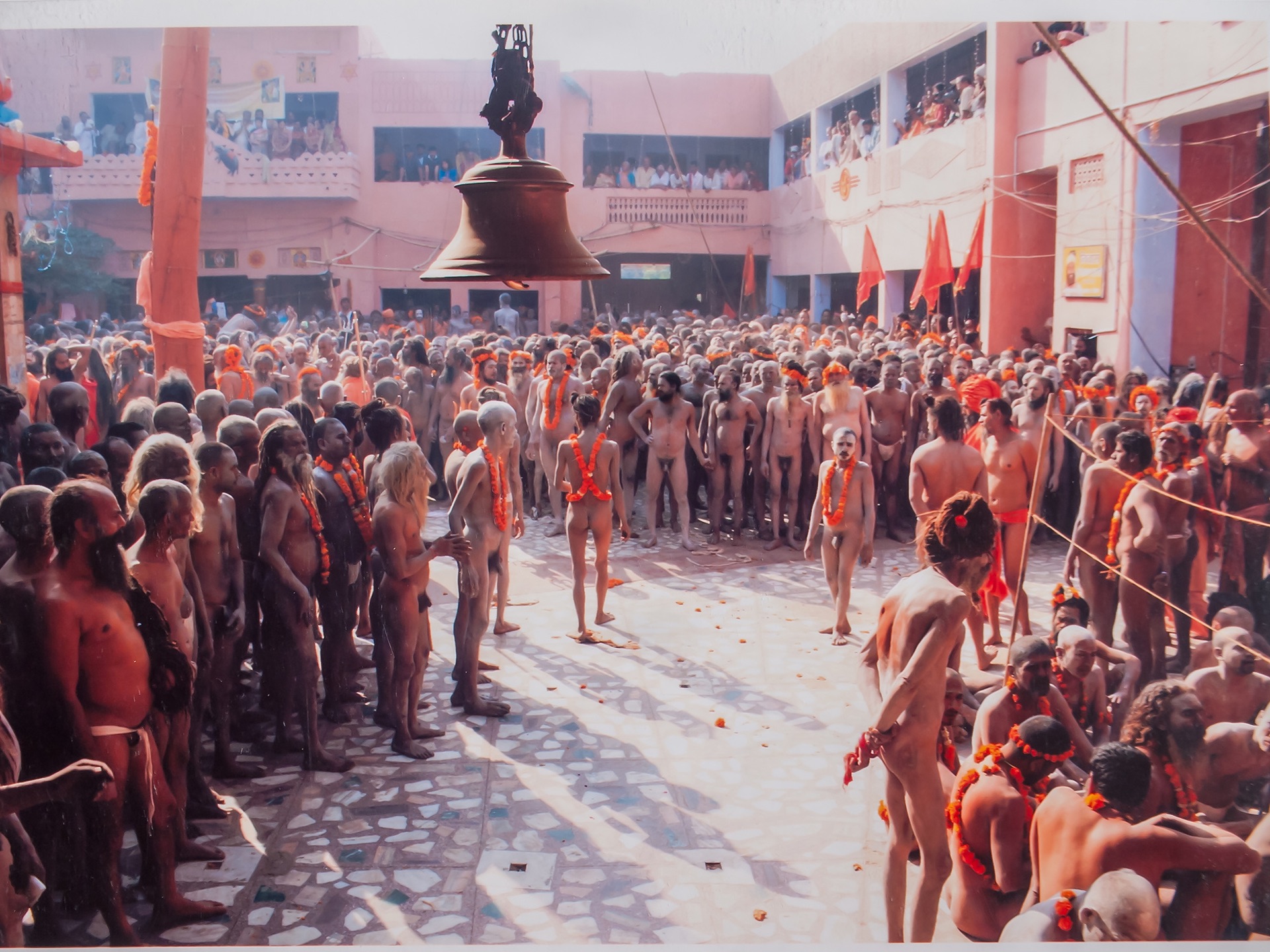
The hotel, meanwhile, proved to be a first-class choice. It was located in the heart of the old town. The Ganges was just around the corner, and the tent camp of the Juna Akhara sadhus, one of the largest sadhu orders in India, was only a ten-minute walk away.

Kumbh Mela logistics: How can a celebration for millions be organized?
As people from all parts of India flocked to Haridwar on foot, by train, or by bus during those days and weeks, huge tent cities with sanitary facilities were set up all over the city. The tent cities outside the city, not far from the banks of the Ganges, seemed to stretch to the horizon.
And everything had been thought of: There were extra tents that served as infirmaries where people could be treated day and night. And there was accommodation for lost or confused people, as well as rest rooms. Free food was also distributed in many places.


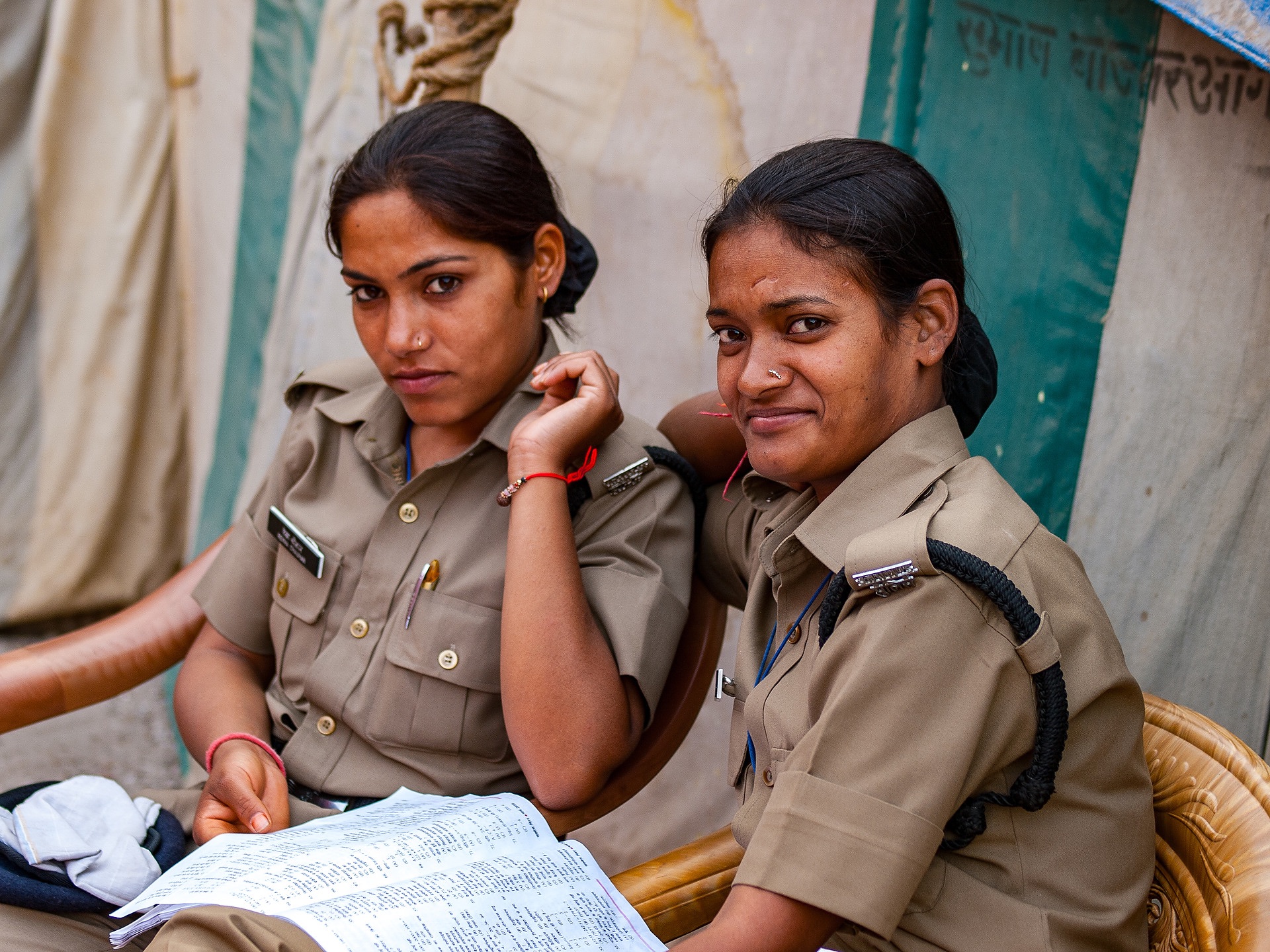
At the same time, camera systems and countless police officers and soldiers ensured that the crowds were directed, that an overview was maintained, and that discipline was upheld. Time and again, certain streets or bridges over the Ganges were spontaneously closed. Then there was no way forward or backward in the city. And soon, not only religious chants but also information and instructions blared from thousands of tiny-sounding loudspeakers in the streets and squares.
Incidentally, the military did not always treat people with kid gloves. However, it was also difficult to judge whether this was necessary. After all, mass panic can all too easily break out at events of this magnitude. Fortunately, I did not experience any.
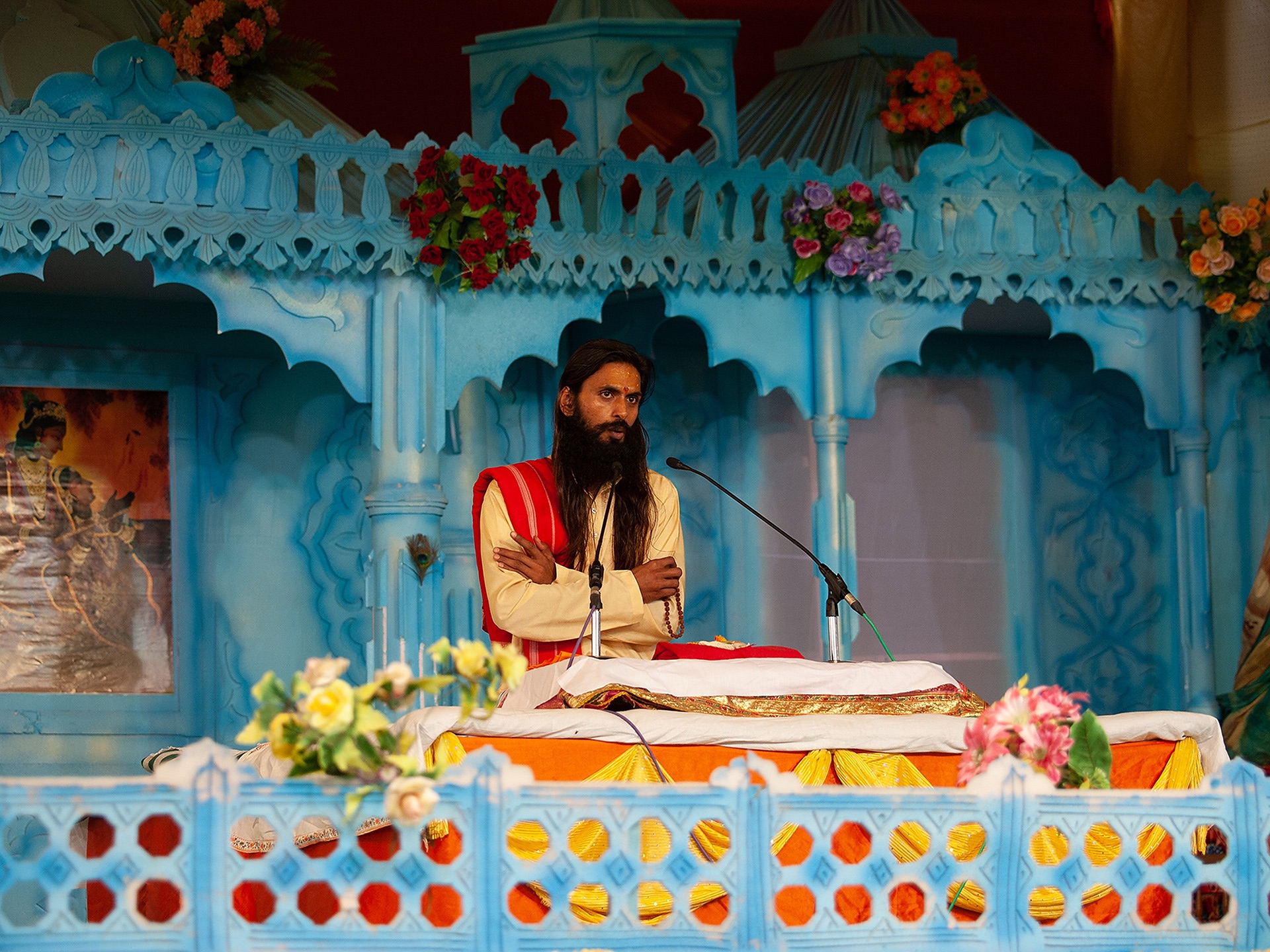
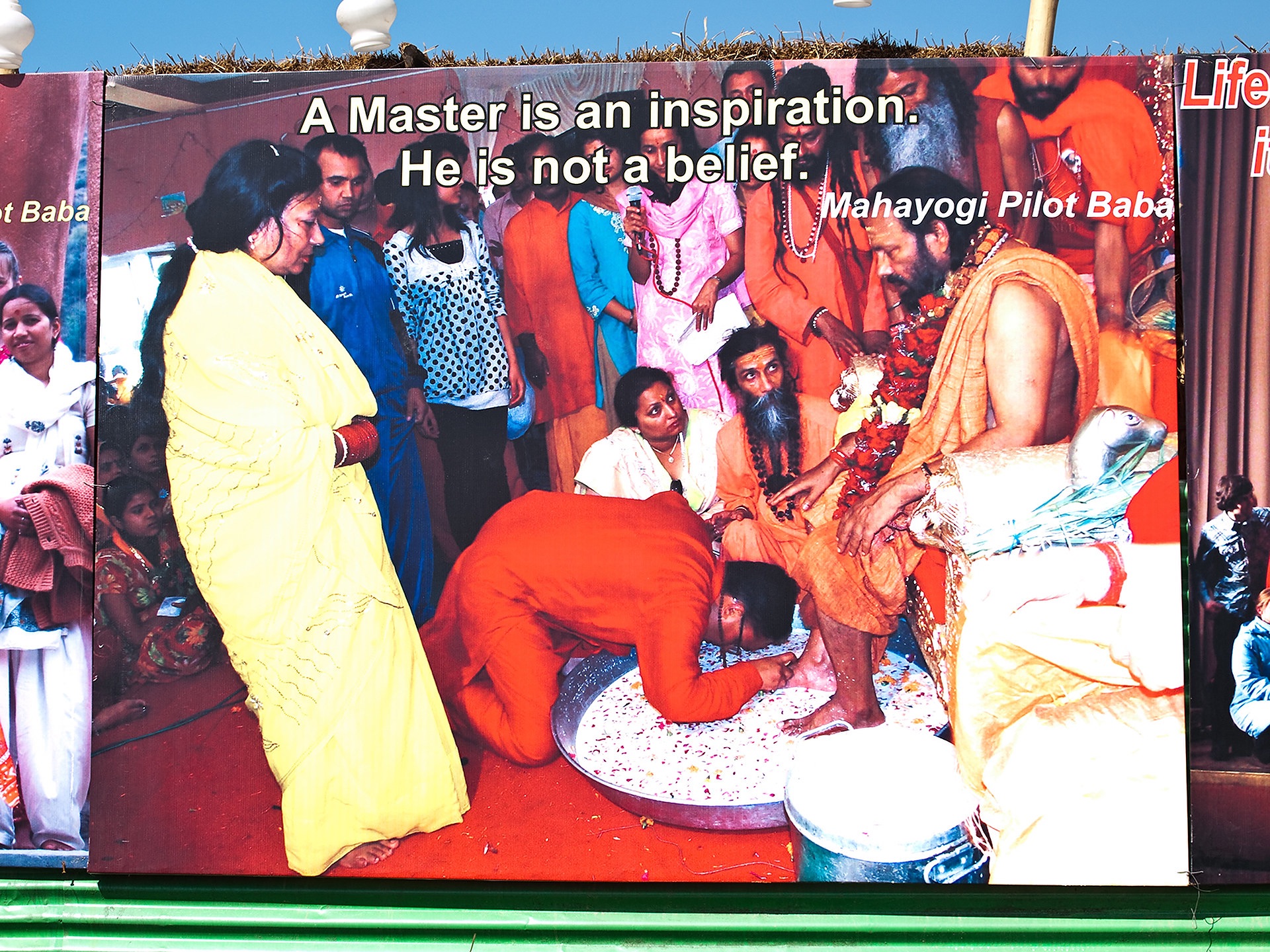
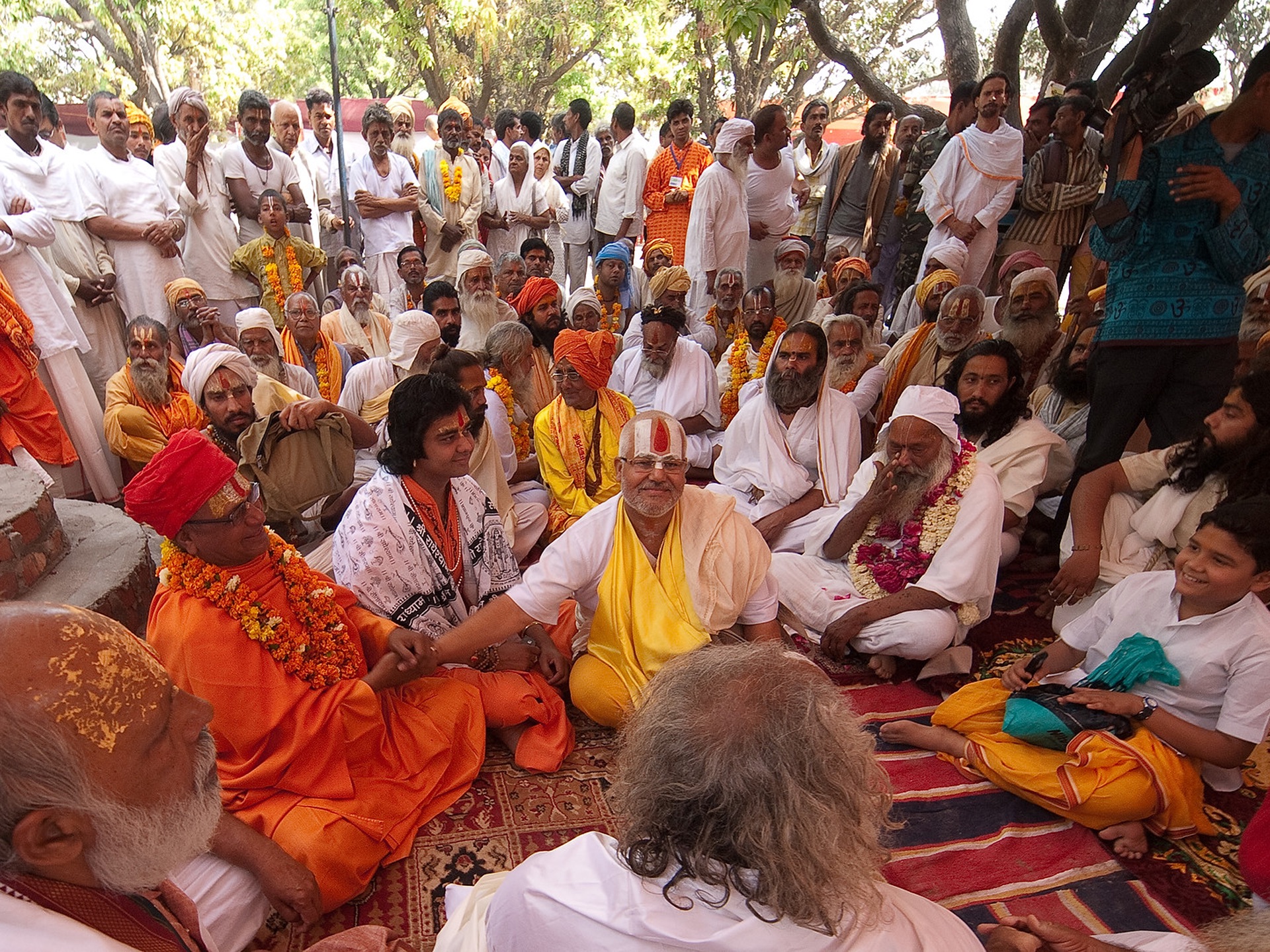

What I did observe, however, was gurus giving lectures in large, opulently decorated tents. Next to them were signs advertising their sects. After all, the Kumbh Mela also serves as a place where new students are recruited and initiated into the respective communities.
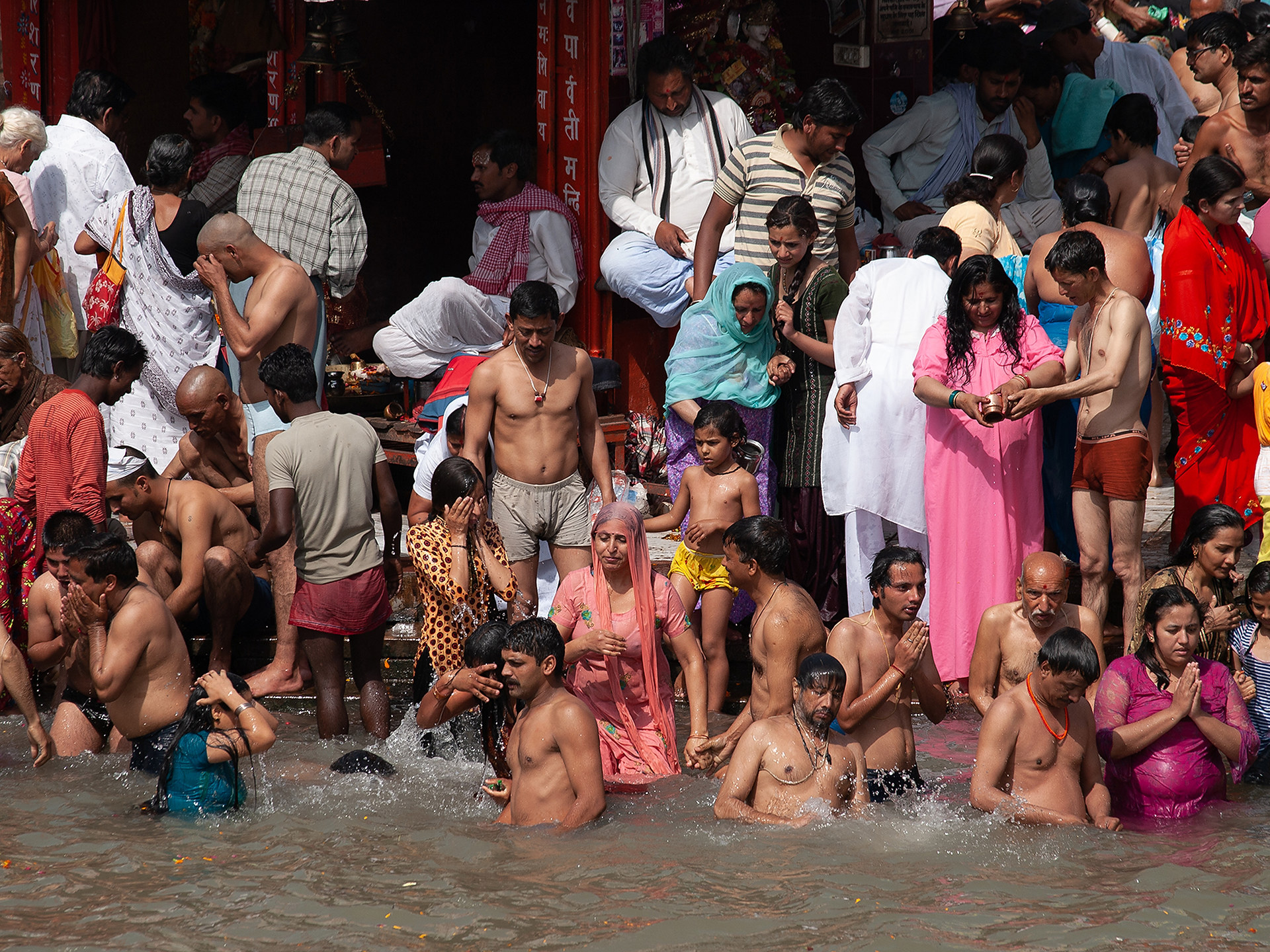
Immersing in the Ganges. A bath in immortality.
It is worth saying a few words about the Kumbh Mela and its significance. Literally translated, the two words mean «festival of the pitcher». This goes back to the founding legend of the Kumbh Mela. It goes something like this: At the beginning of human history, gods and demons made an immense effort to churn the so-called ocean of milk in order to extract the nectar of immortality (amrita) from its depths.
Finally, Dhanvantari, the physician of the gods, appeared with a jug full of nectar in his hand. But a dispute broke out between the gods and the demons. So the son of the god Indra grabbed the jug and fled into space. Four drops of the nectar fell to earth – on the sites of Allahabad, Haridwar, Nasik, and Ujjain, which have been sacred ever since and where the Kumbh Mela takes place every three years.
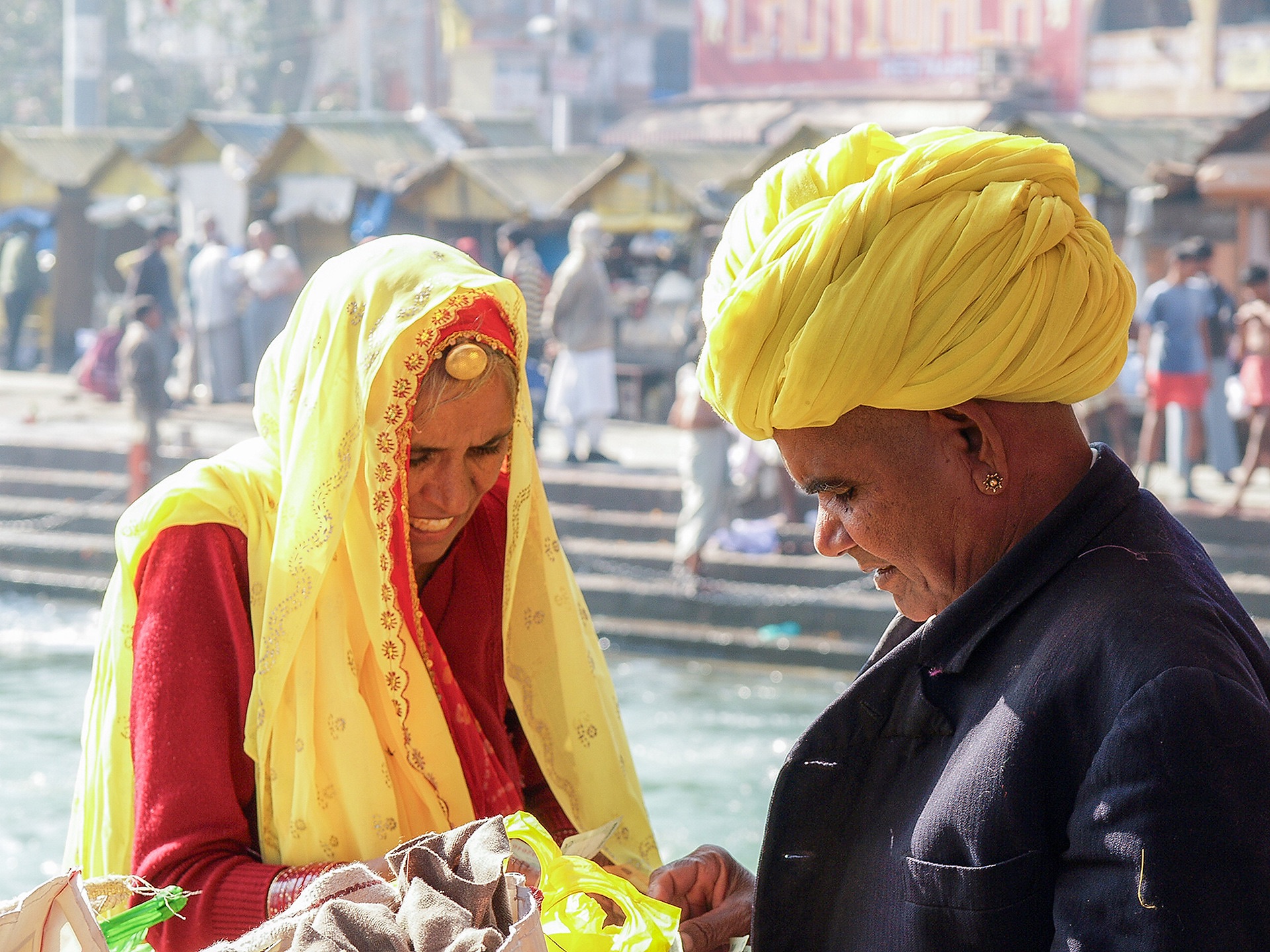
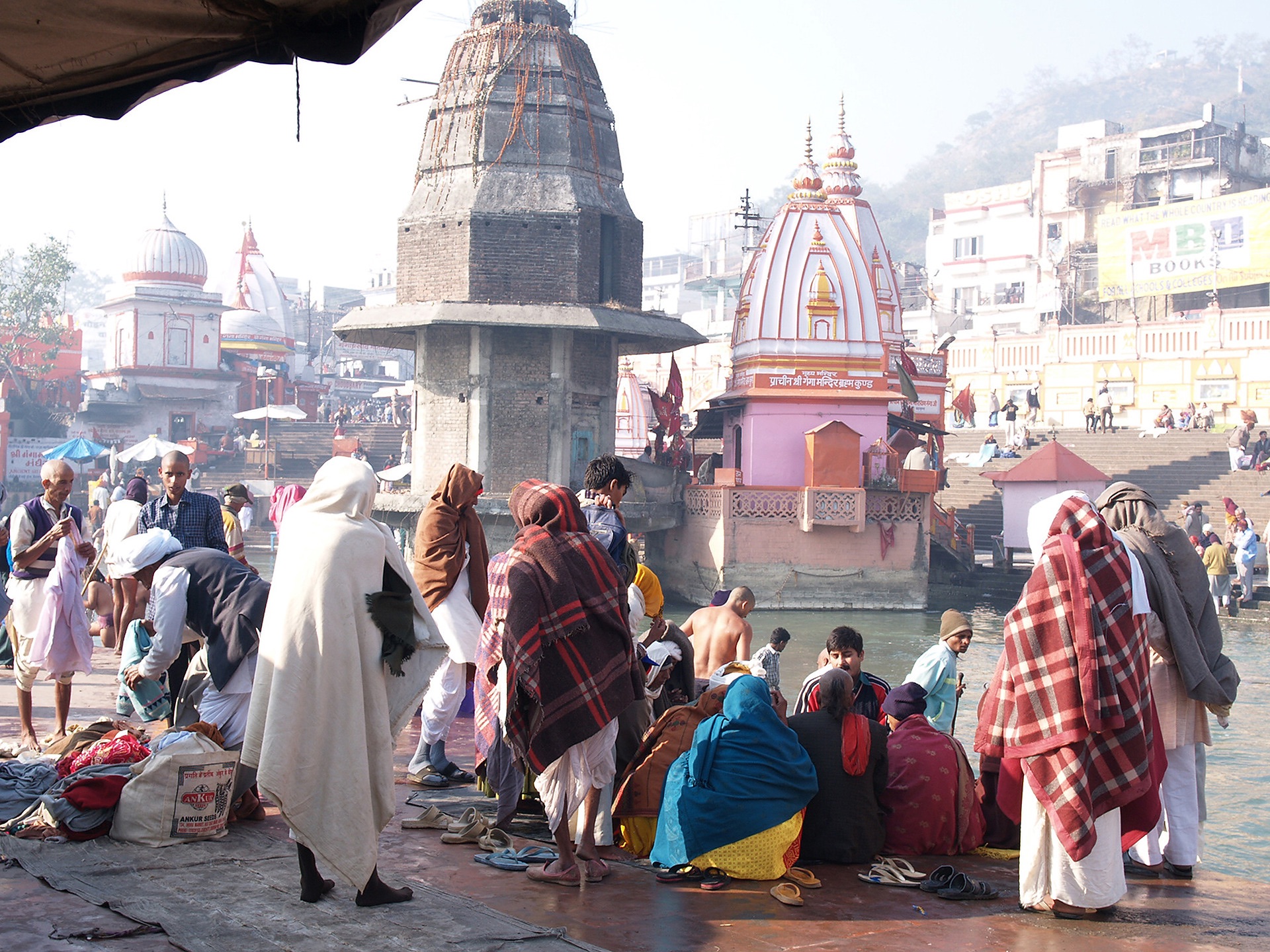


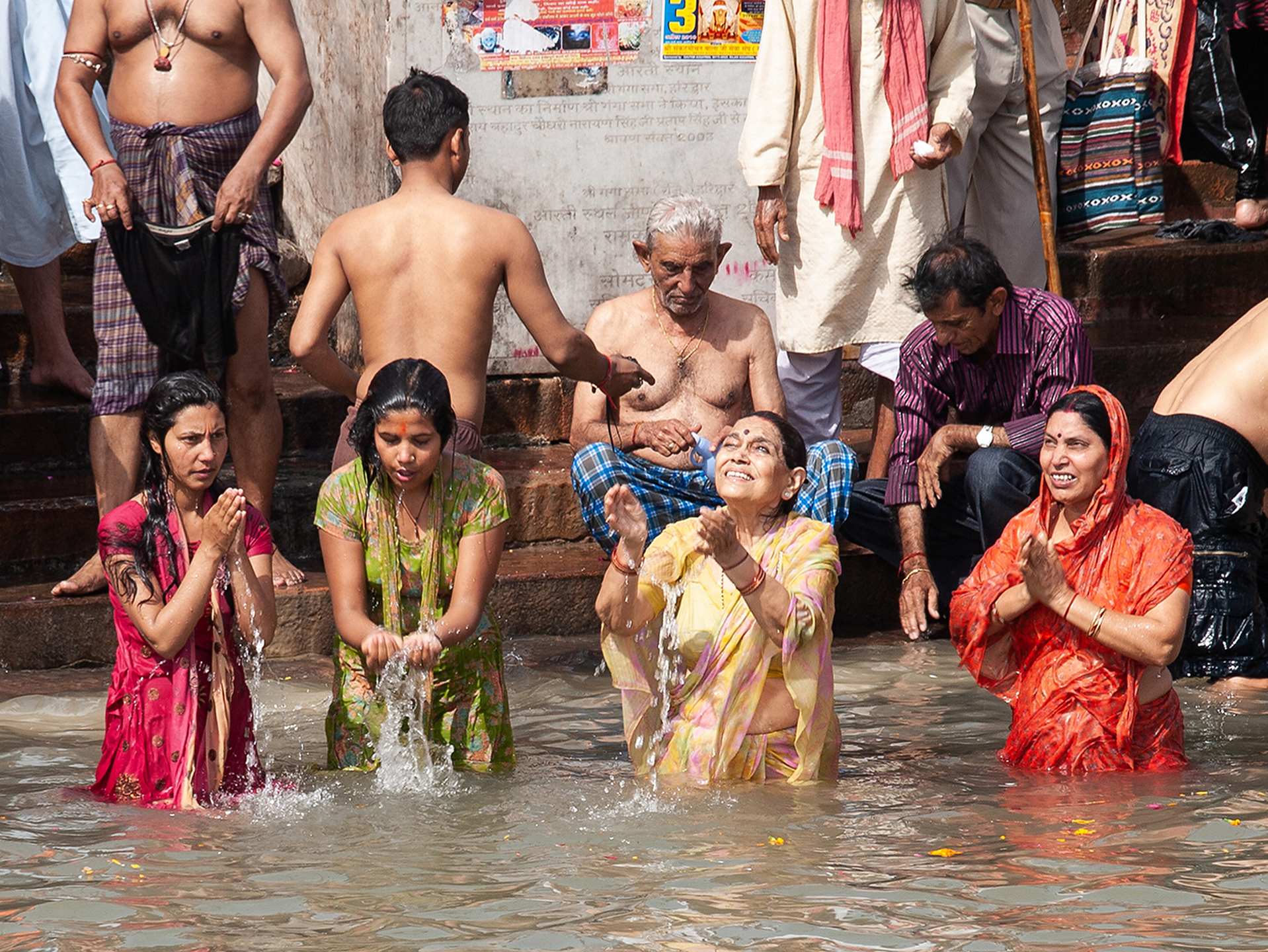
For many devout Hindus, it is very important to have participated in a Kumbh Mela once in their lifetime. For the sadhus, the festivals, in which bathing in the Ganges plays a special role, are virtually mandatory. According to their beliefs, bathing in certain places in the Ganges not only frees them from sin. The effect is even greater when the stars are in certain constellations, as is the case during the Kumb Mela. According to belief, the nectar of immortality manifests itself in the water at this time and in these places. Anyone who bathes in the Ganges then takes a bath in immortality, so to speak.


Masses, mystery, devotion.
I was particularly attracted by the atmosphere of this special festival. I wanted to experience for myself what it is like to be part of this mystical mass experience.
During the day, countless people crowded into the narrow streets of Haridwar's old town. Street food, lassis, sweets, and devotional items were on offer everywhere. Of course, such a festival is also a large market. I let myself be swept along watching the spectacle around me with curious eyes until I drifted off to sleep.
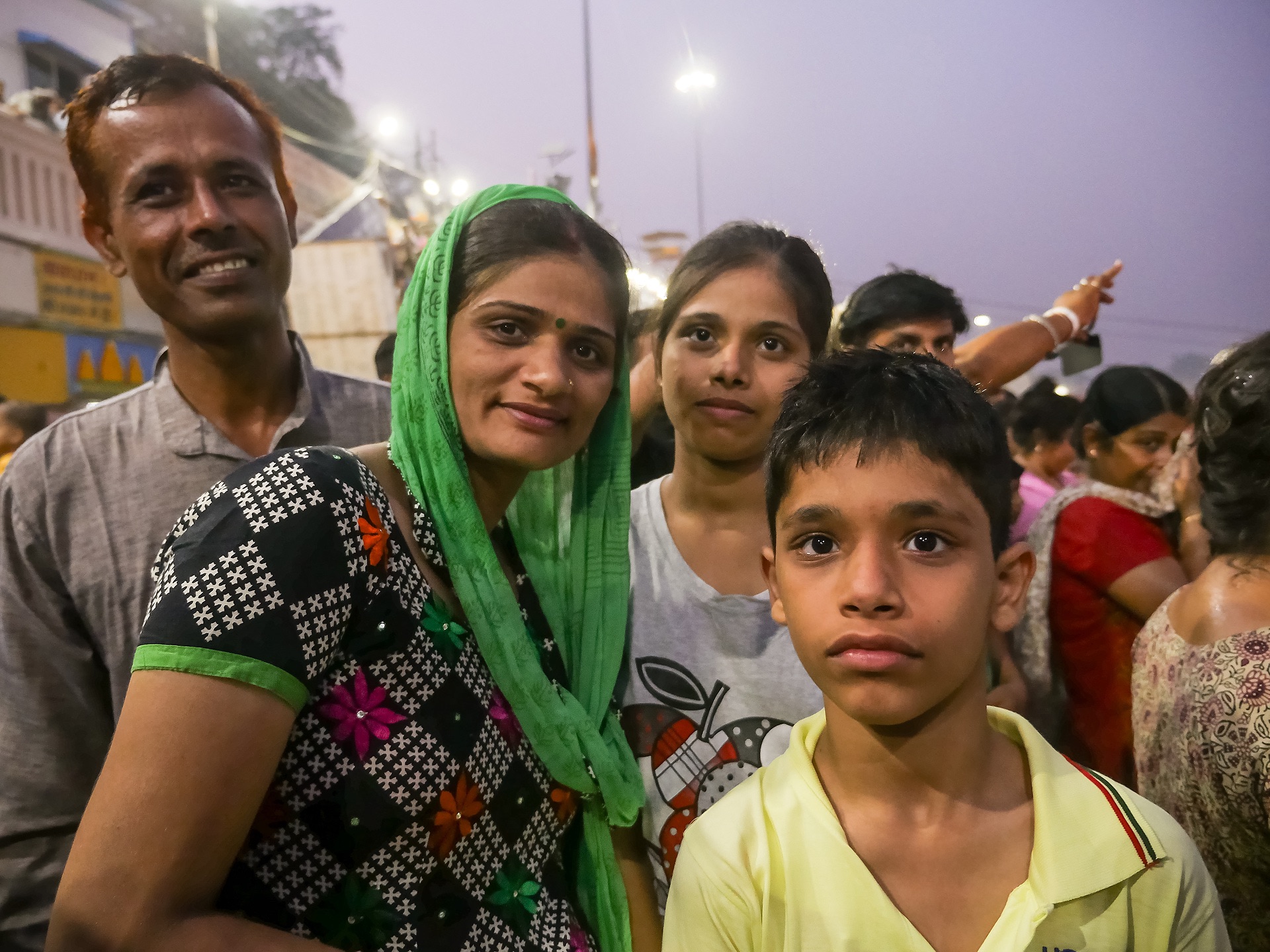
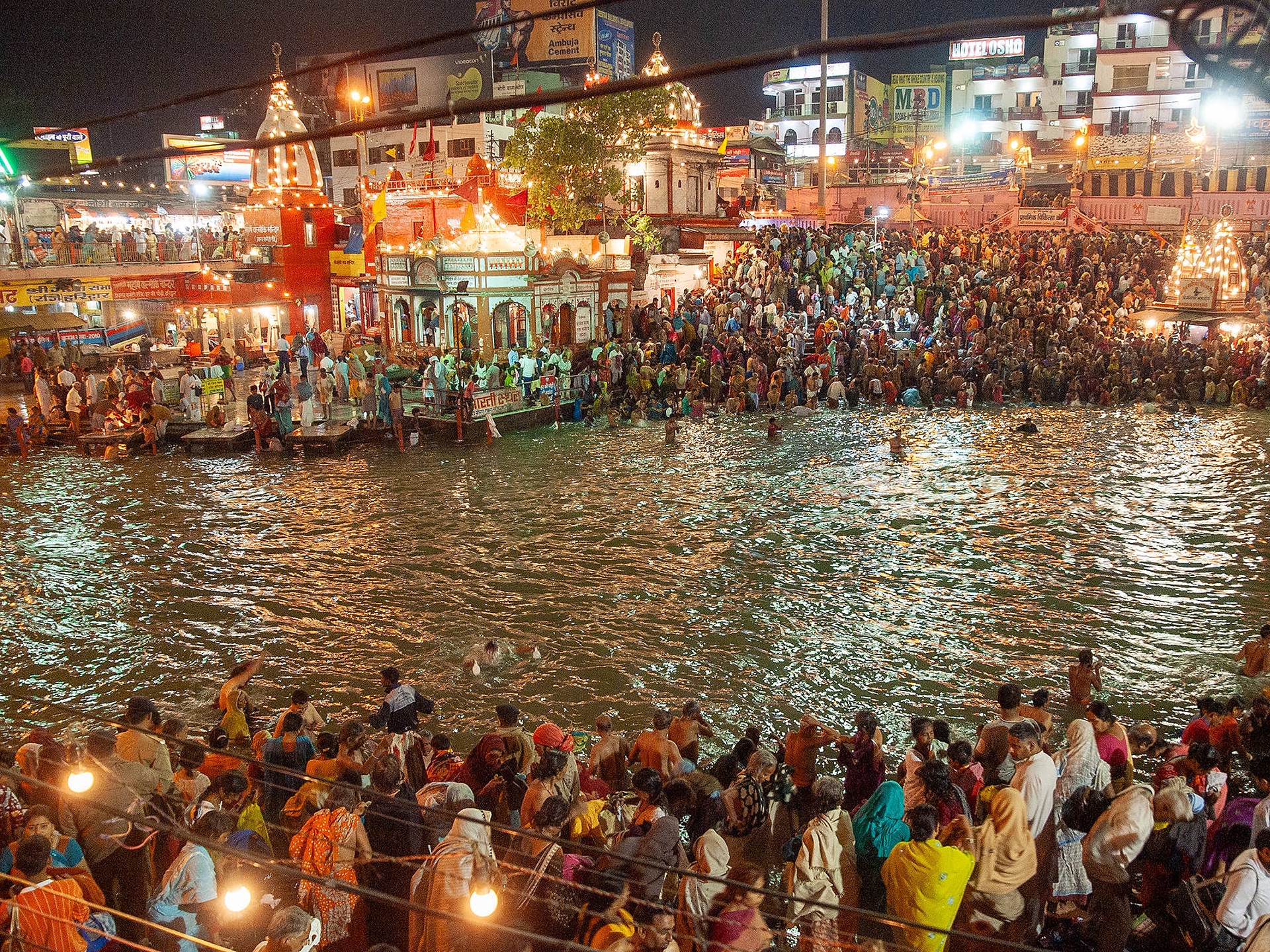
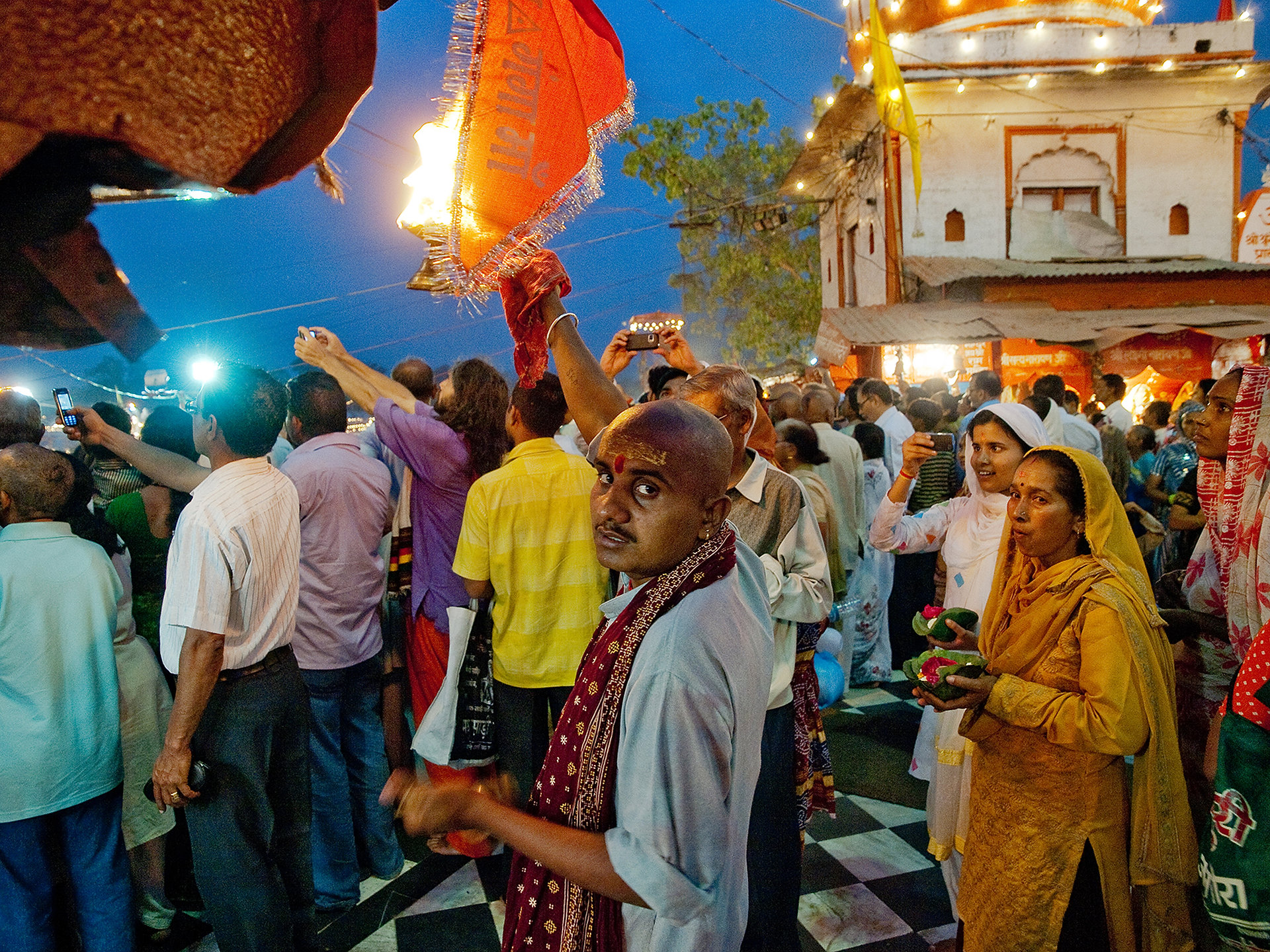

But I woke up early the next morning. It was around 4 a.m. when I heard strange, almost eerie noises. Shuffling footsteps and quiet murmurs echoed through the old town streets. When I looked out of the window, I saw a never-ending crowd of people streaming like sleepwalkers toward the banks of the Ganges. Shortly before sunrise, countless pilgrims set off for the holy bath.
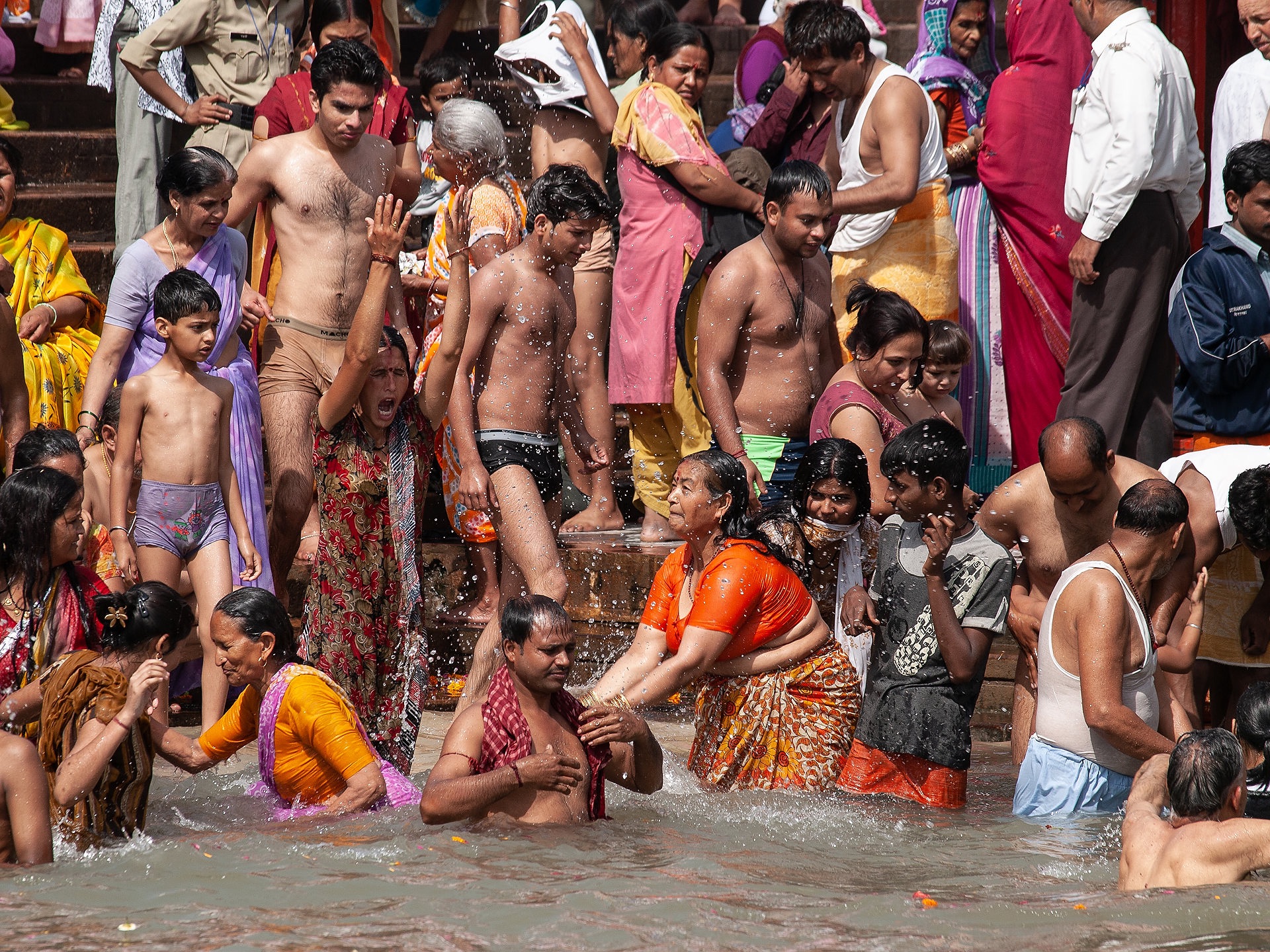

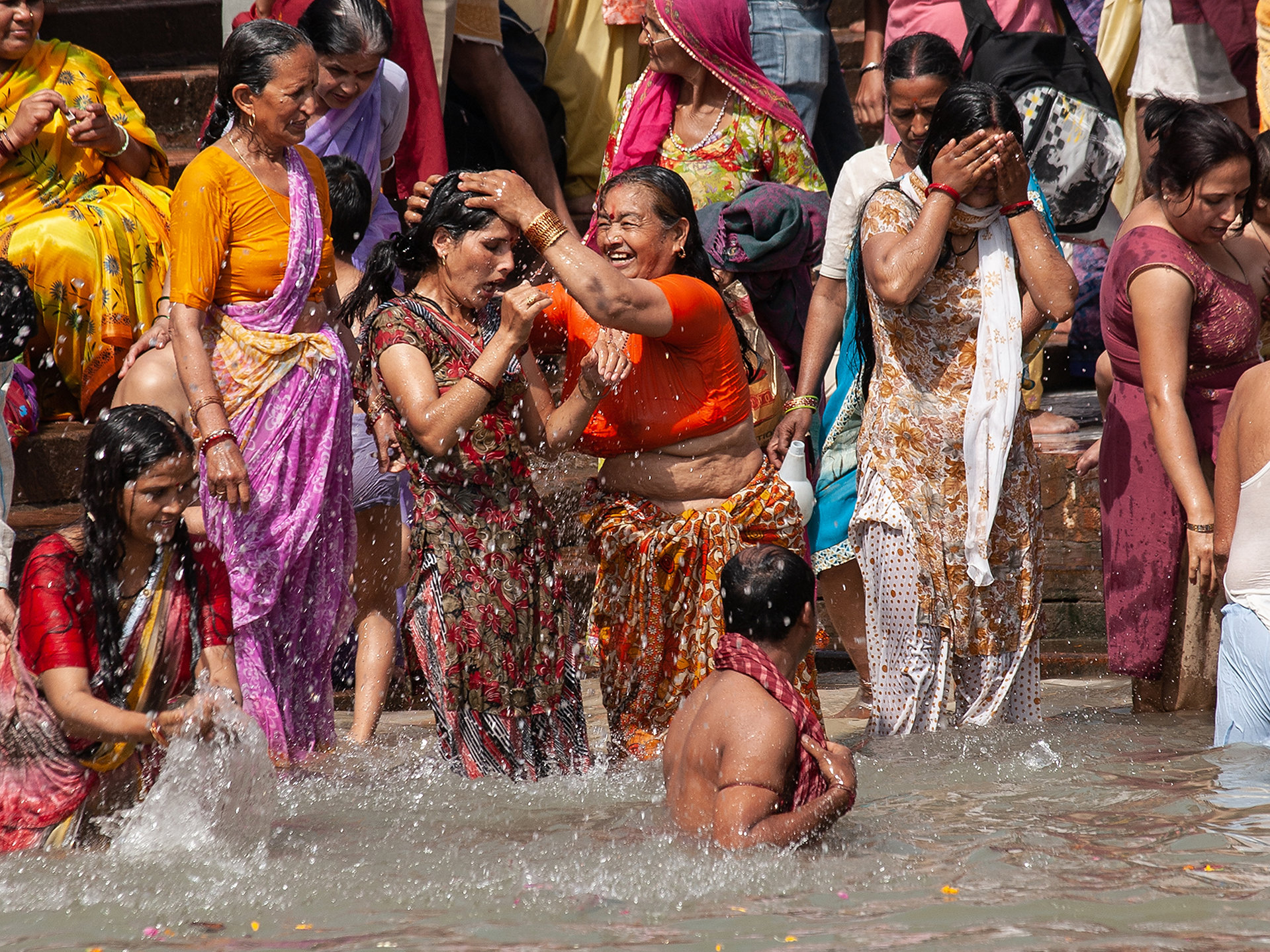
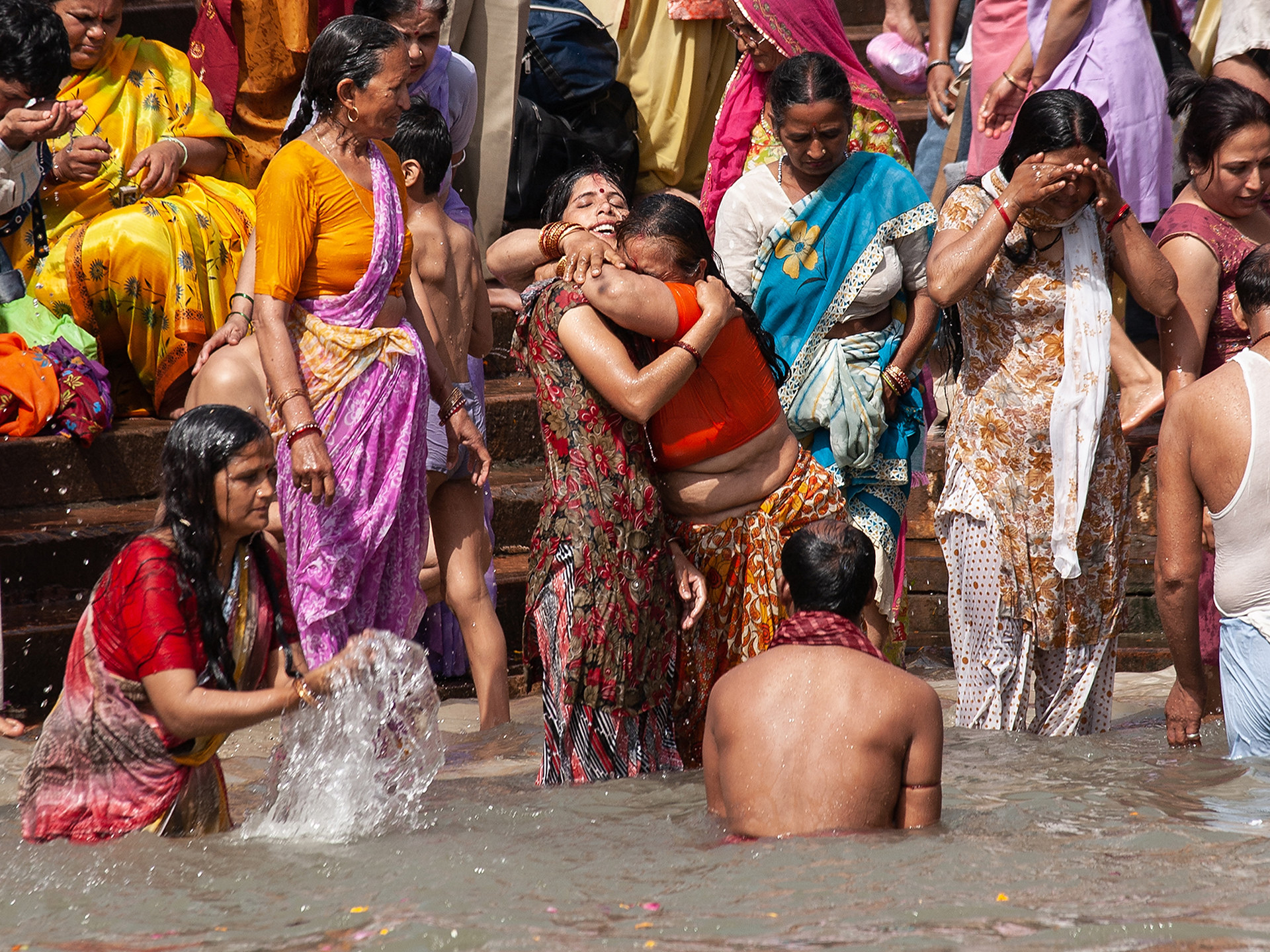
I grabbed my camera and joined them. Incredible scenes soon unfolded on the ghats, the embankments and steps leading down to the Ganges. At one point, for example, I saw a young woman screaming bloodcurdlingly and repeatedly diving into the Ganges with her hands raised, as if in ecstasy. She then fell sobbing into the arms of an older woman. Seeing this touched me deeply, even though her fate remained a mystery to me.
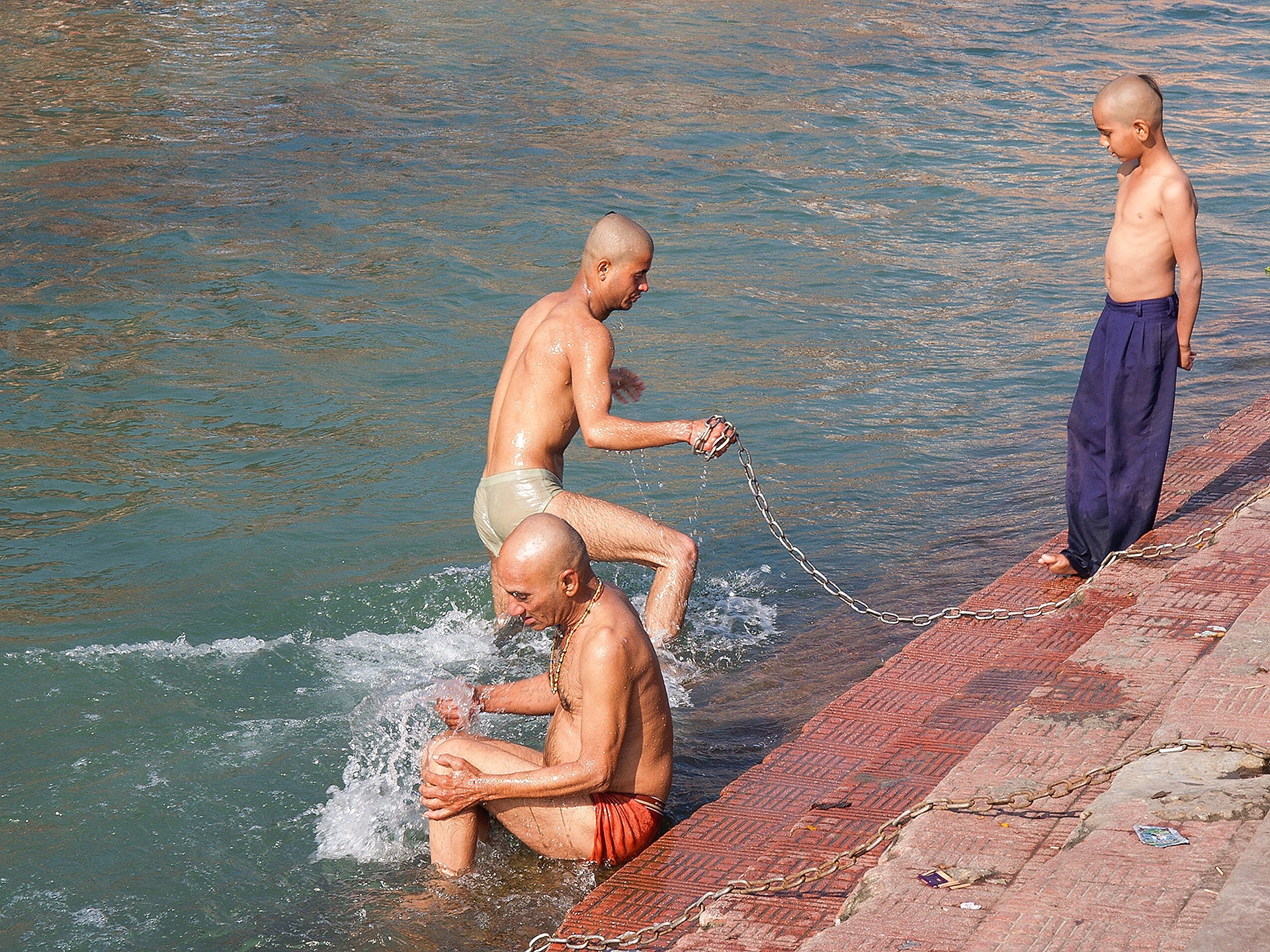
Deliverance in the icy river.
More and more believers made their way to the most famous ghat in Haridwar – the Har Ki Pauri Ghat. Brahmins in small stalls performed private ceremonies for a fee. Some pilgrims also had their heads shaved on the spot. In January, it was still bitterly cold at night and early in the morning. It took great determination to throw oneself into the icy waters.

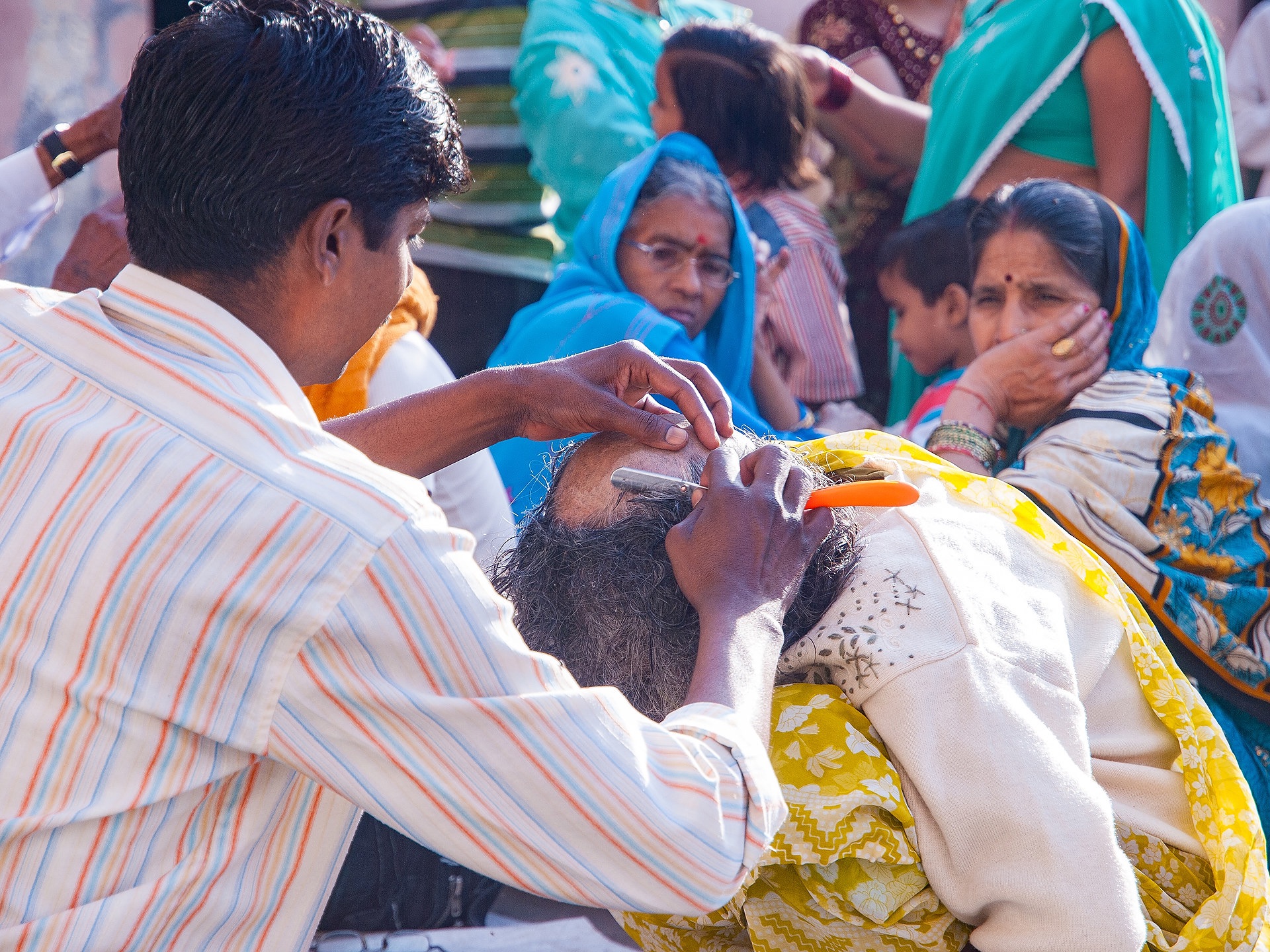

But determination and a special magic prevailed everywhere. Not only in the early morning. Also in the evening, when the faithful celebrated «Puja», the festival of devotion, at sunset on the Ganges.
Large burning candles made of ghee, clarified butter, were swung back and forth on huge candlesticks. There was singing, and the crowds stood close together to touch the flames of the sacred fires. Elsewhere, milk was poured into the Ganges, and many believers placed tiny boats, made of leaves, and candles into the current of the holy river to entrust their wishes to it.


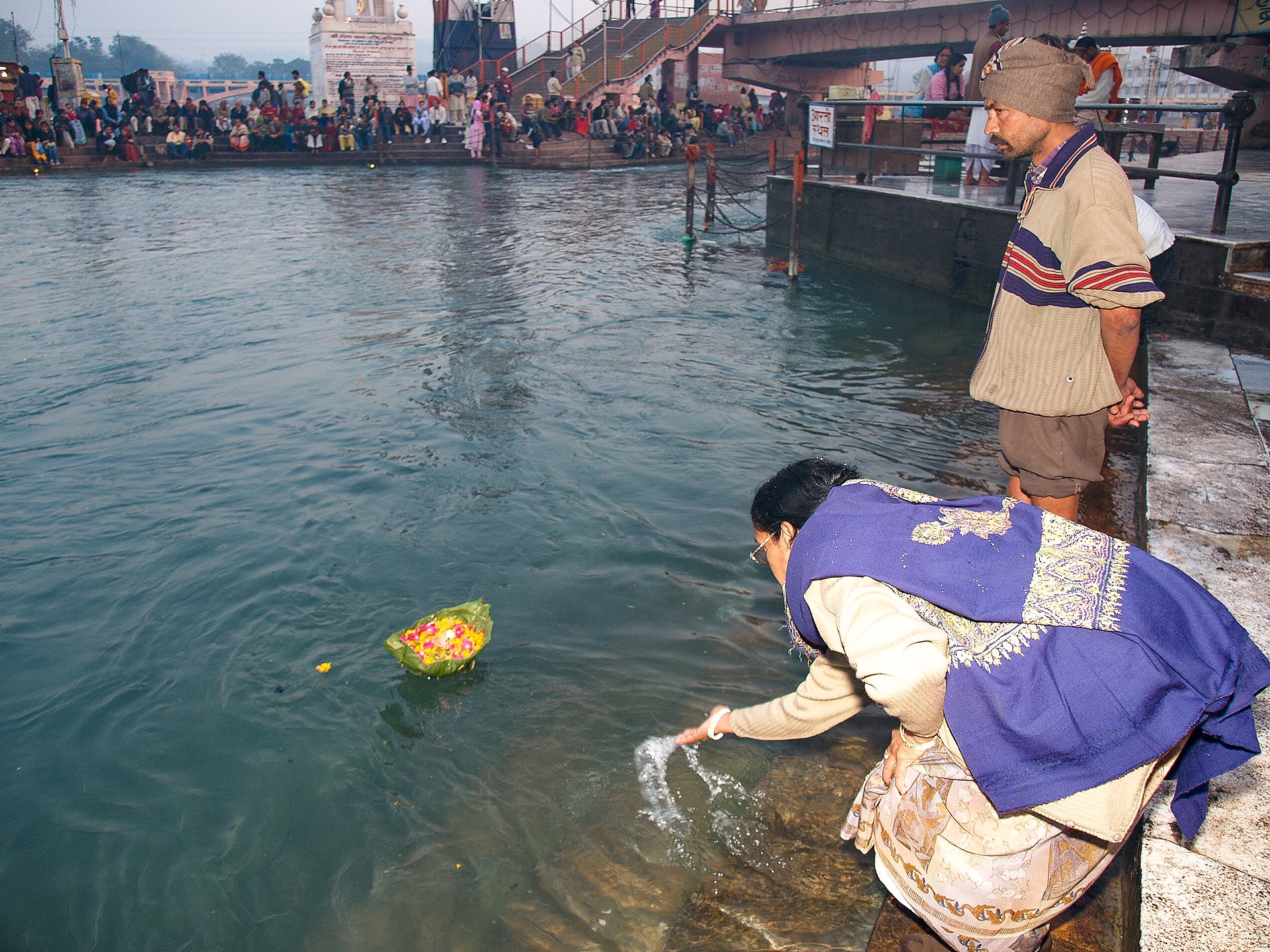
I watched all these scenes as a fascinated observer and suddenly felt very close to these people and this country. For a brief moment, I even had the feeling that I was looking deep into the soul of humanity.
continue
traveling ...
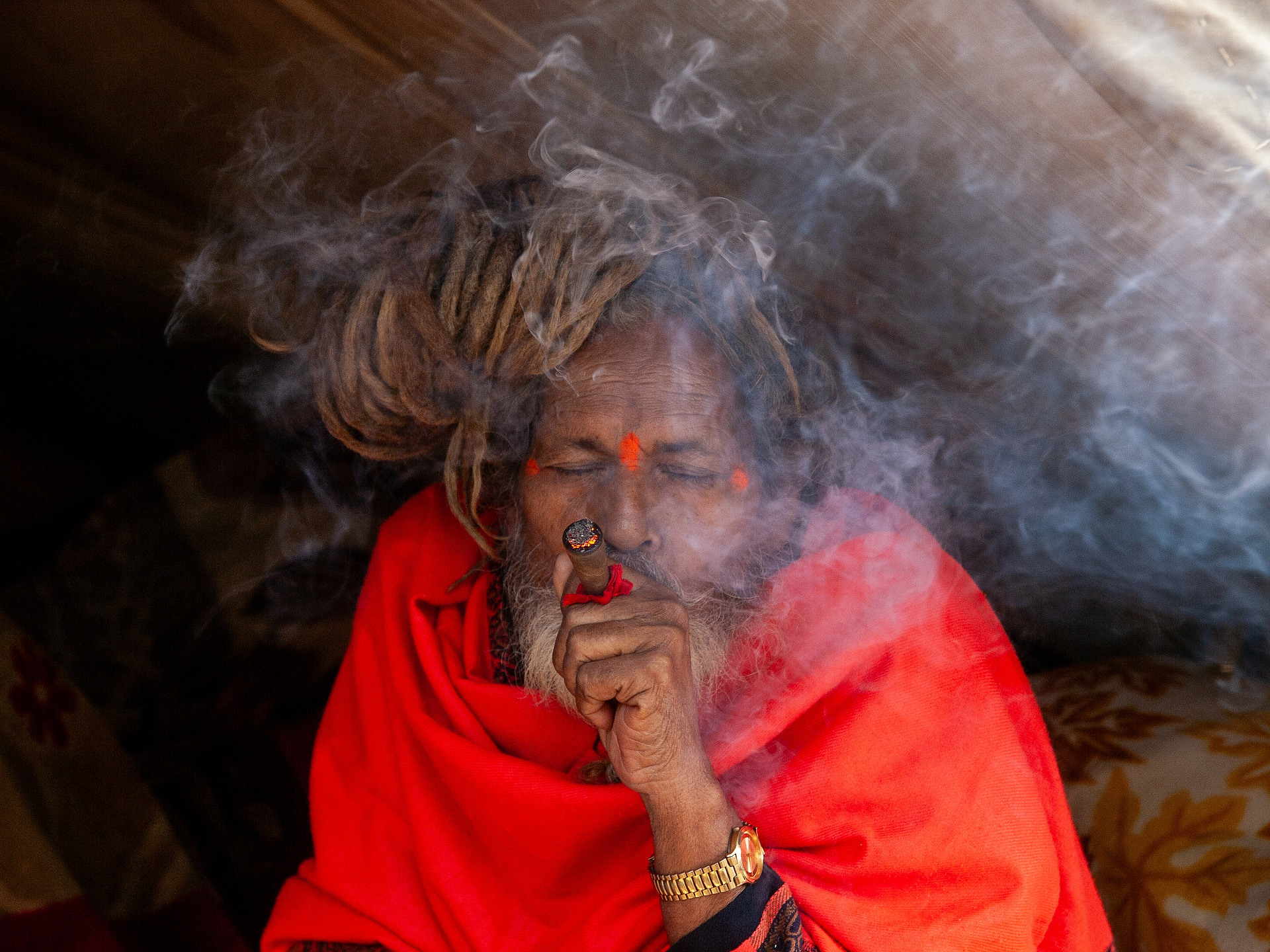
Sadhus — Indias wandering Asketics. On my first journeys to India in the early 1970s, everything was unfamiliar to me: the traffic, the smells, the food, the language, the way people dressed and carried themselves—the entire explosion of impressions, colors, gestures, and sounds. And yet, it was precisely this that drew me in. Above all, I was captivated by the Sadhus — however foreign these holy men and their way of life seemed to me.
Helmut Haase
Photography & Stories
Alle Texte und Fotos sind urheberrechtlich geschützt. Wenn Sie an der Nutzung bestimmter Inhalte interessiert sind, nehme ich gerne Ihre Anfrage entgegen.
© Helmut Haase 1975 – 2026