Tea cultivation – millennia in a cup. How do you drink your tea? With sugar and lemon? Or do you prefer it plain? My travels have turned me into a real tea fan.
People have been drinking tea for thousands of years. Only water is consumed more frequently. Once a remedy, later a luxury item, tea is now available everywhere. In Asia, it became a constant travel companion for me.
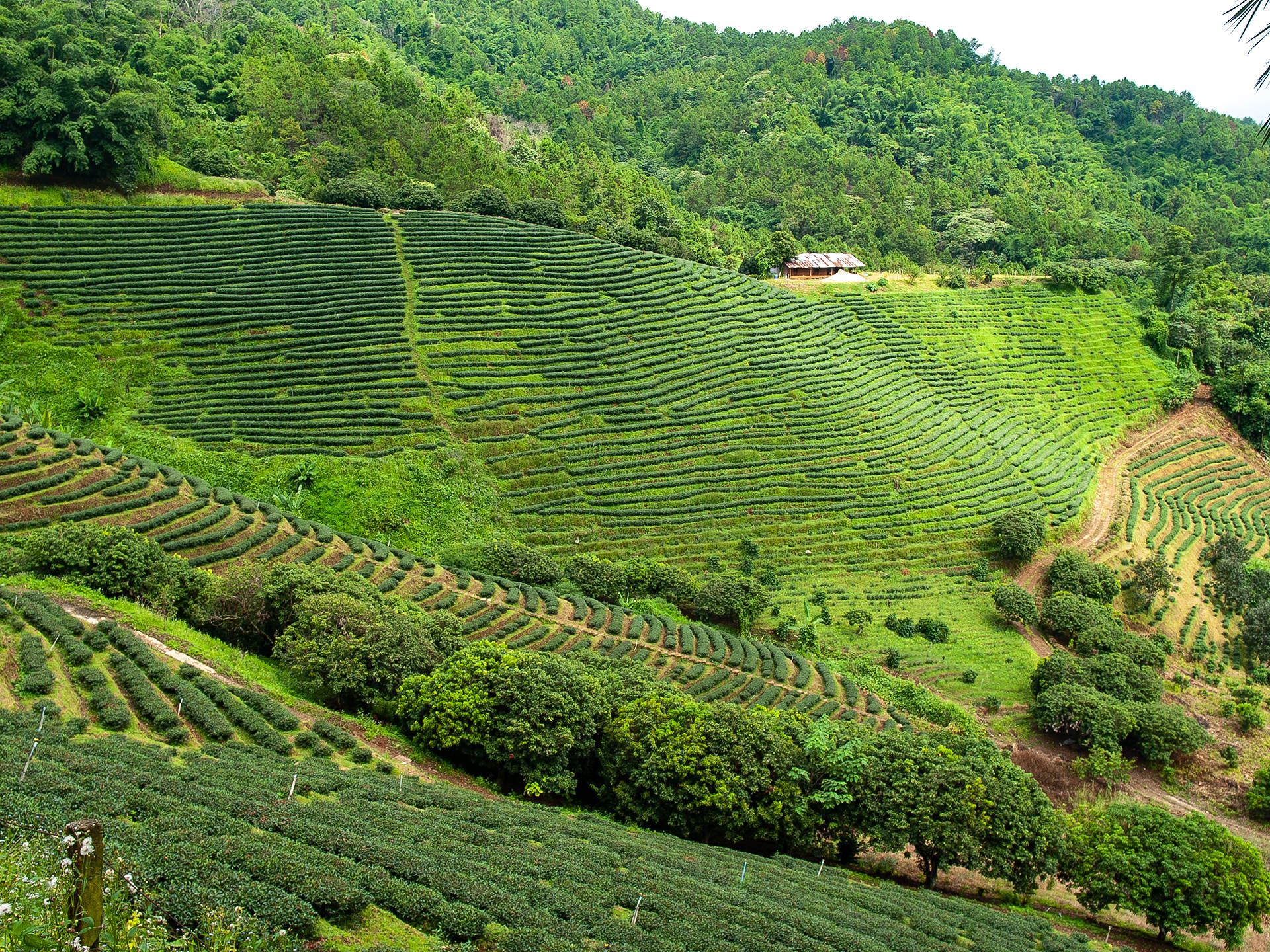
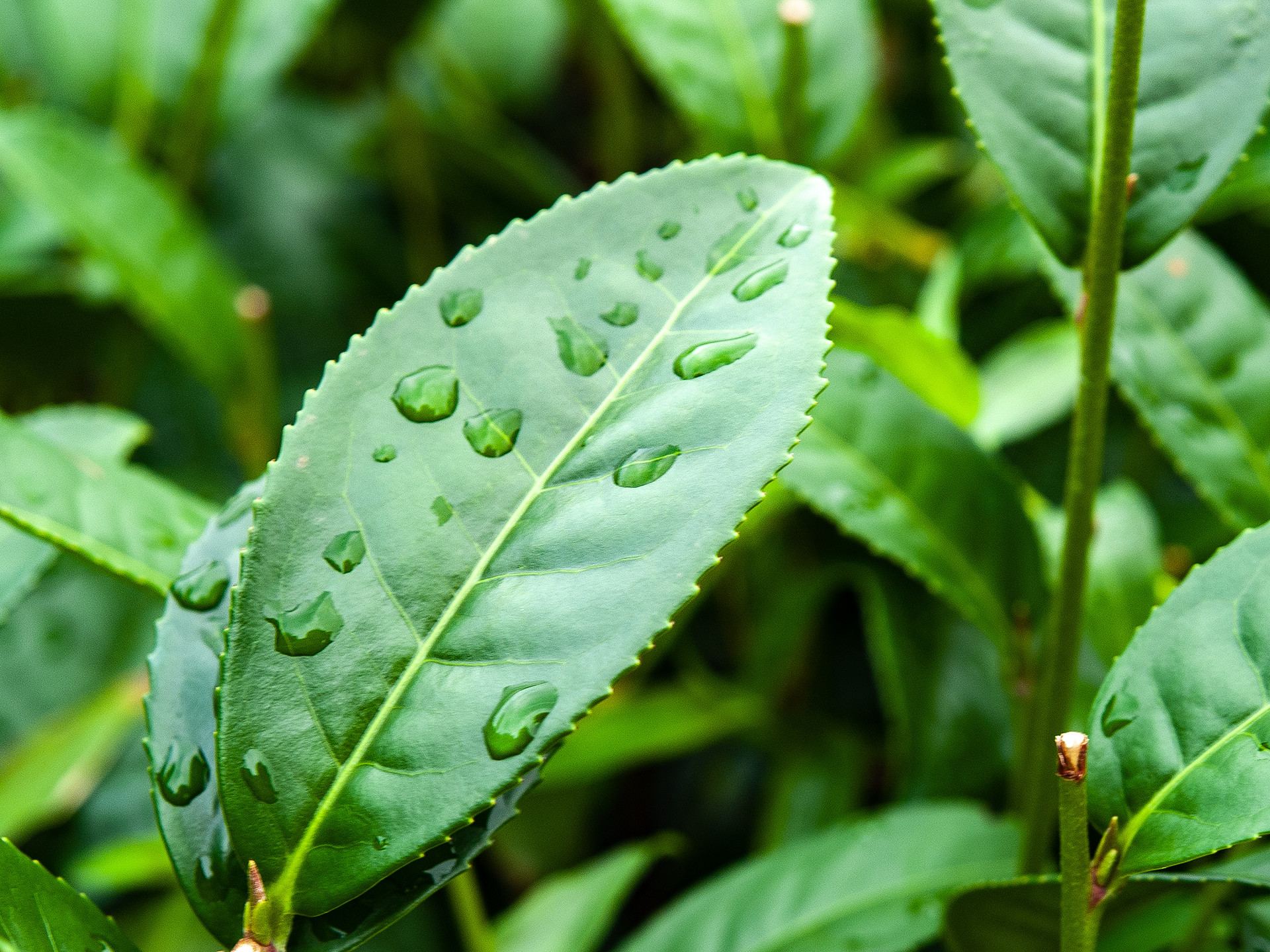
Whether black, green, white, or oolong – the leaves always come from Camellia sinensis, the tea plant. Its evergreen shrubs grow in hot, humid regions. For example, here in Chiang Rai, in the far north of Thailand. The oolong teas from this growing region are among the best in the world.
Whether black, green, white, or oolong – the leaves always come from Camellia sinensis, the tea plant.

Here you can see pickers in Zhejiang Province on the East China Sea. They are harvesting Lung Ching, the famous dragon tea. This floral green tea is roasted during production, giving it an aroma reminiscent of chestnuts.

Over 13 million people worldwide work in the tea industry. Many receive wages that are barely enough to live on. This is especially true for the women who pick tea, weed, and prune the plants on the plantations.
Once a remedy, later a luxury item, tea is now available everywhere.

Black tea is produced by wilting the leaves in the sun. They are then rolled to break down the cell structure, which promotes fermentation and oxidation. Green tea, on the other hand, is briefly heated after harvesting to prevent fermentation. This gives it its delicately bitter aroma and golden color in the cup.
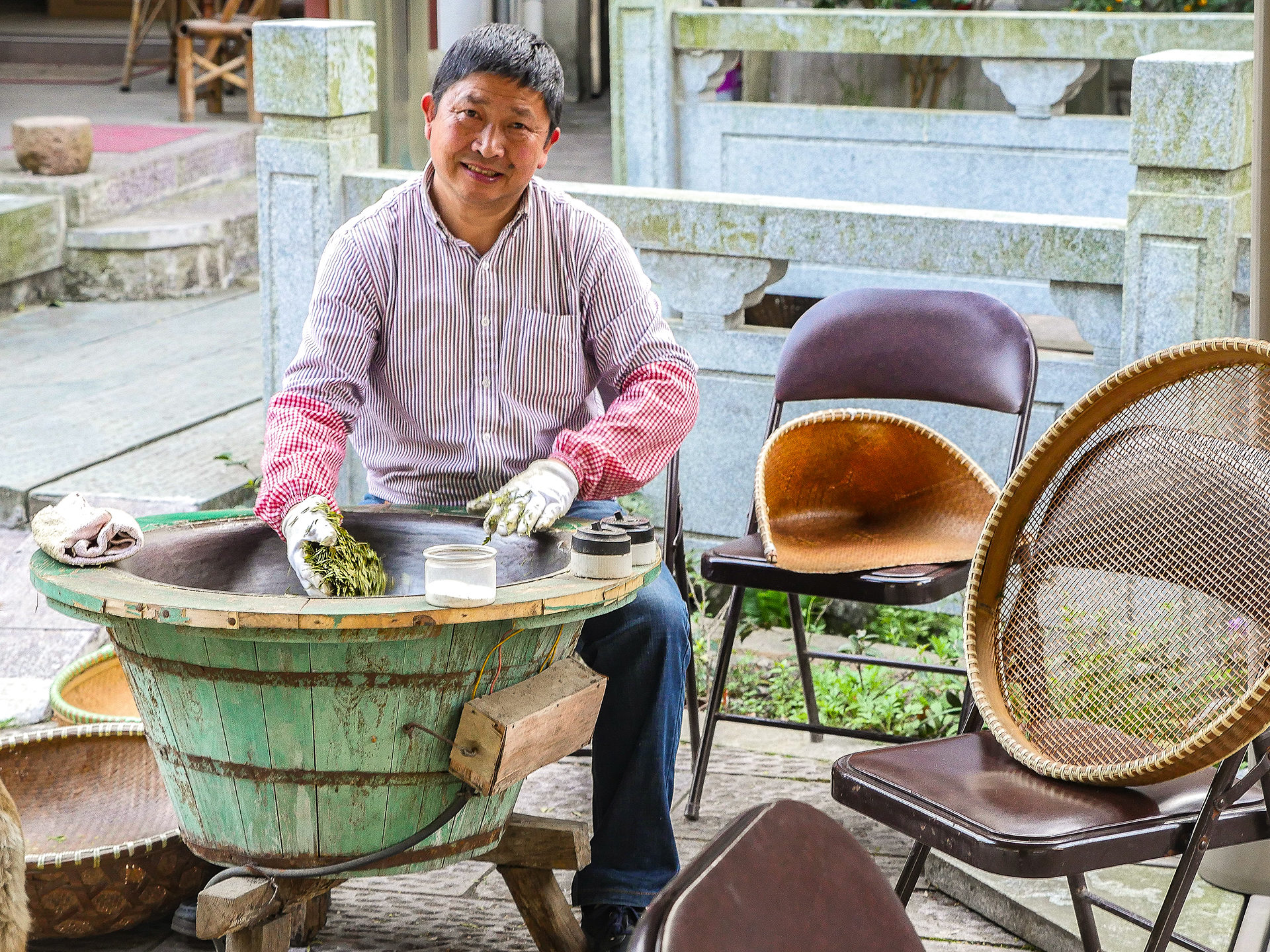
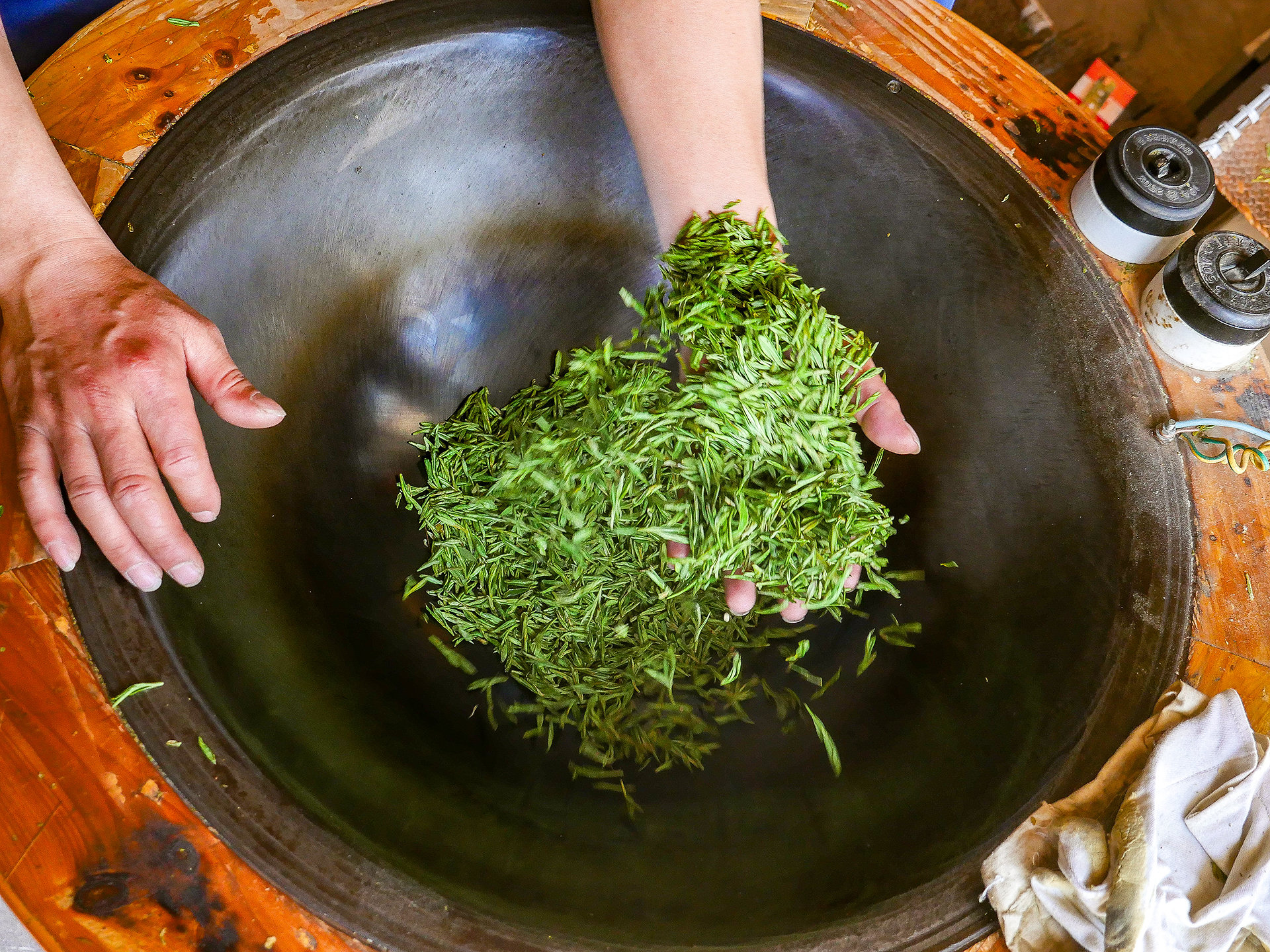
In China, it is mostly small businesses that process the fresh harvest. Heating takes place in a wok-like cauldron. Workers turn the freshly harvested tea leaves by hand until enough moisture has been removed.

Because green tea is only heated briefly, many healthy ingredients are preserved. It protects the heart, alleviates inflammation, and helps with high blood pressure. And it tastes wonderful.

Tea plants are considered extremely durable. With good care, they can live up to 100 years. Because the plantations do not need to be constantly replanted, tea is actually a sustainable crop.
Tea grows not only in Asia, but also in Africa. However, China is the largest producer— and probably also the birthplace of tea. Archaeologists found a 2,200-year-old tea sample in the tomb of an emperor of the Han dynasty.

According to legend, the Chinese emperor and herbalist Shen Nung drank the first cup of tea in 2737 BC. While his servant was boiling water, a tea leaf fell into it. Shen Nung tasted the infusion and was delighted by its taste and effect.
China, in particular, has shown me what tea can be: a break, a ritual and a superfood.
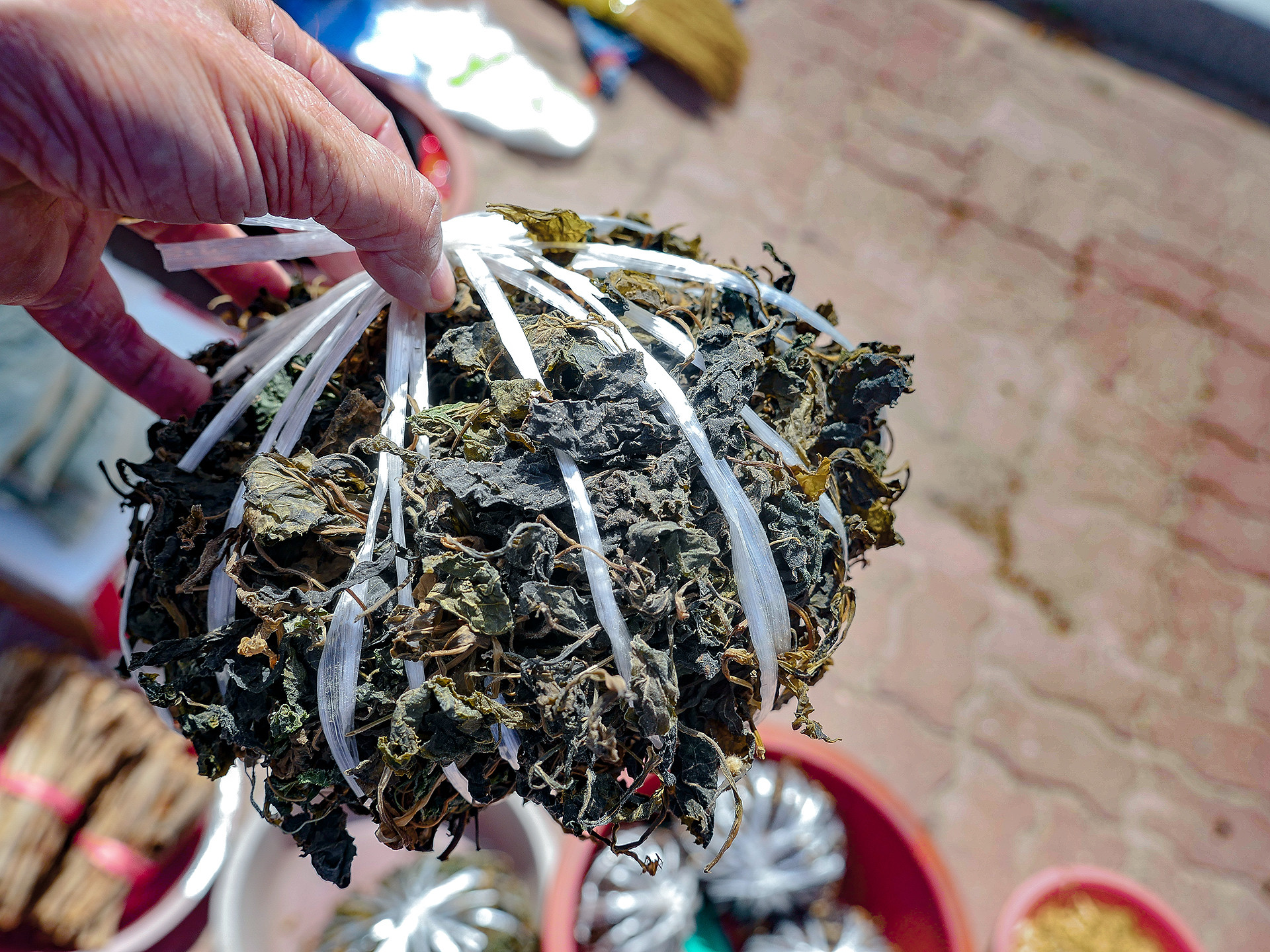
In the mountains of Korea, a street vendor offered me a bundle of tea leaves. She also sold mushrooms and chestnuts. Korean tea culture is said to be older than Japanese tea culture. Since most of the production remains in the country, Korean teas are rather rare in Germany.

This green tea came from a shop in Fukuoka, in northern Japan. Unlike in China, where green tea is heated in pans, in Japan it is gently steamed. These teas are called sencha. You could try them right there in the shop.
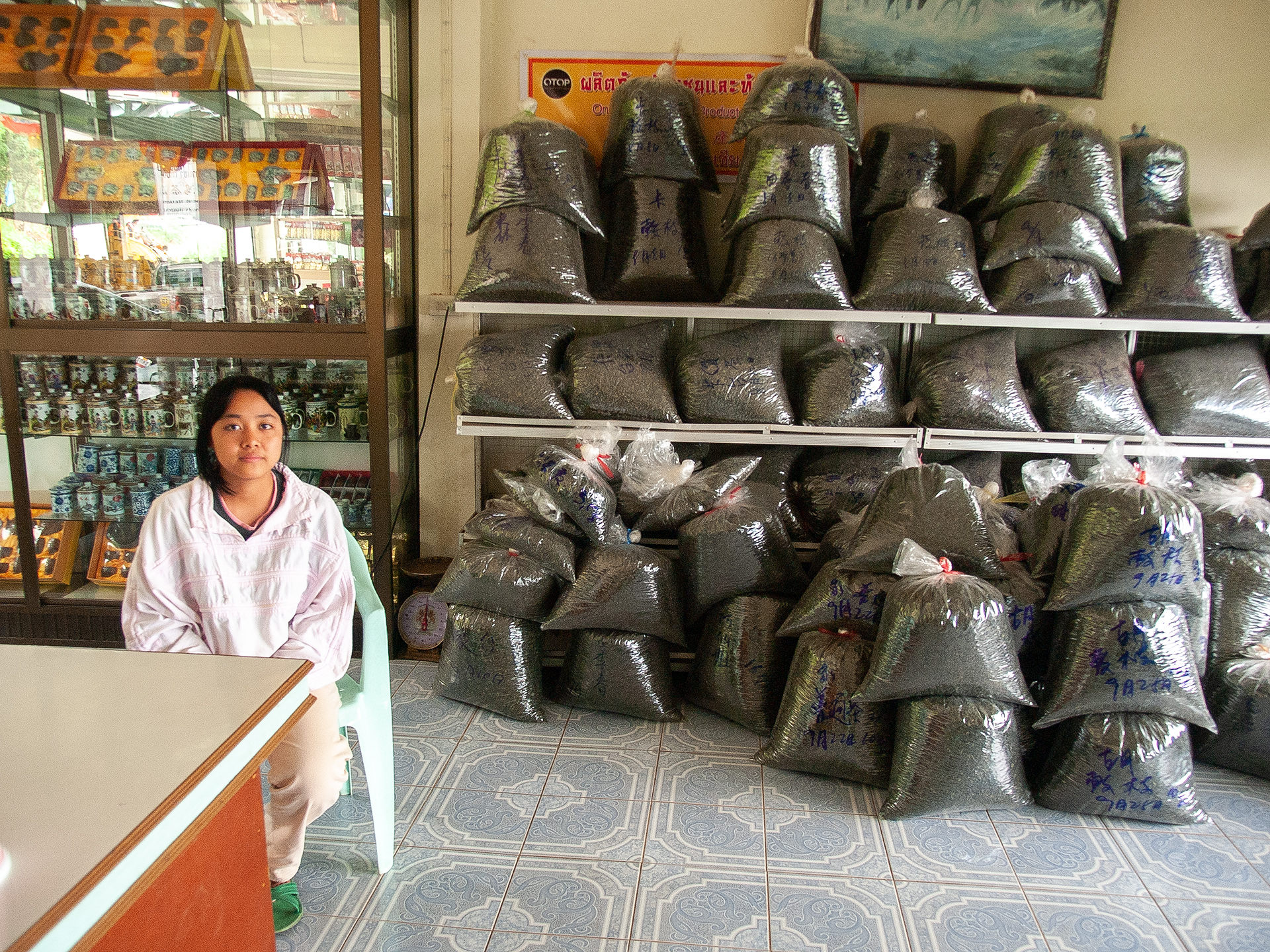
Every day, 15 million cups of tea are drunk worldwide. Since my first trip to India in 1971, I have enjoyed countless cups myself. But it was China in particular that showed me what tea can be: a break, a ritual and a superfood.
Keep on eating ...
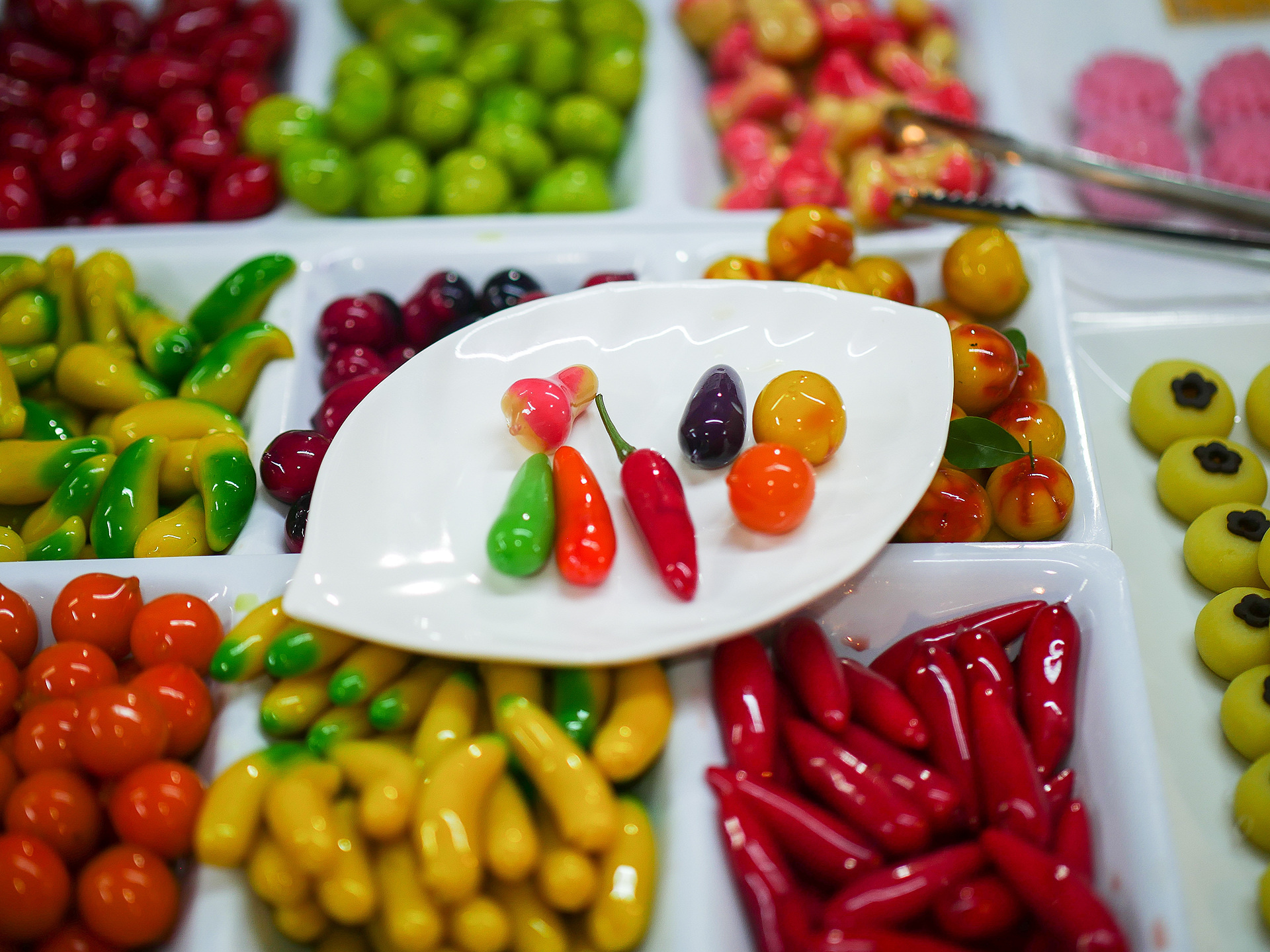
Small fruits, great art: Luk Chup. They glisten like tiny cherries, mangoes, or chilies. But these miniature fruits and vegetables are actually sweets.
Helmut Haase
Photography & Stories
Alle Texte und Fotos sind urheberrechtlich geschützt. Wenn Sie an der Nutzung bestimmter Inhalte interessiert sind, nehme ich gerne Ihre Anfrage entgegen.
© Helmut Haase 1975 – 2026