Begonia Cake — Street food in full bloom. This cake, also called Haitanggao, is a delicately sweet Chinese pastry in a blossom-shape. In China it is seen as a symbol of spring and happiness.
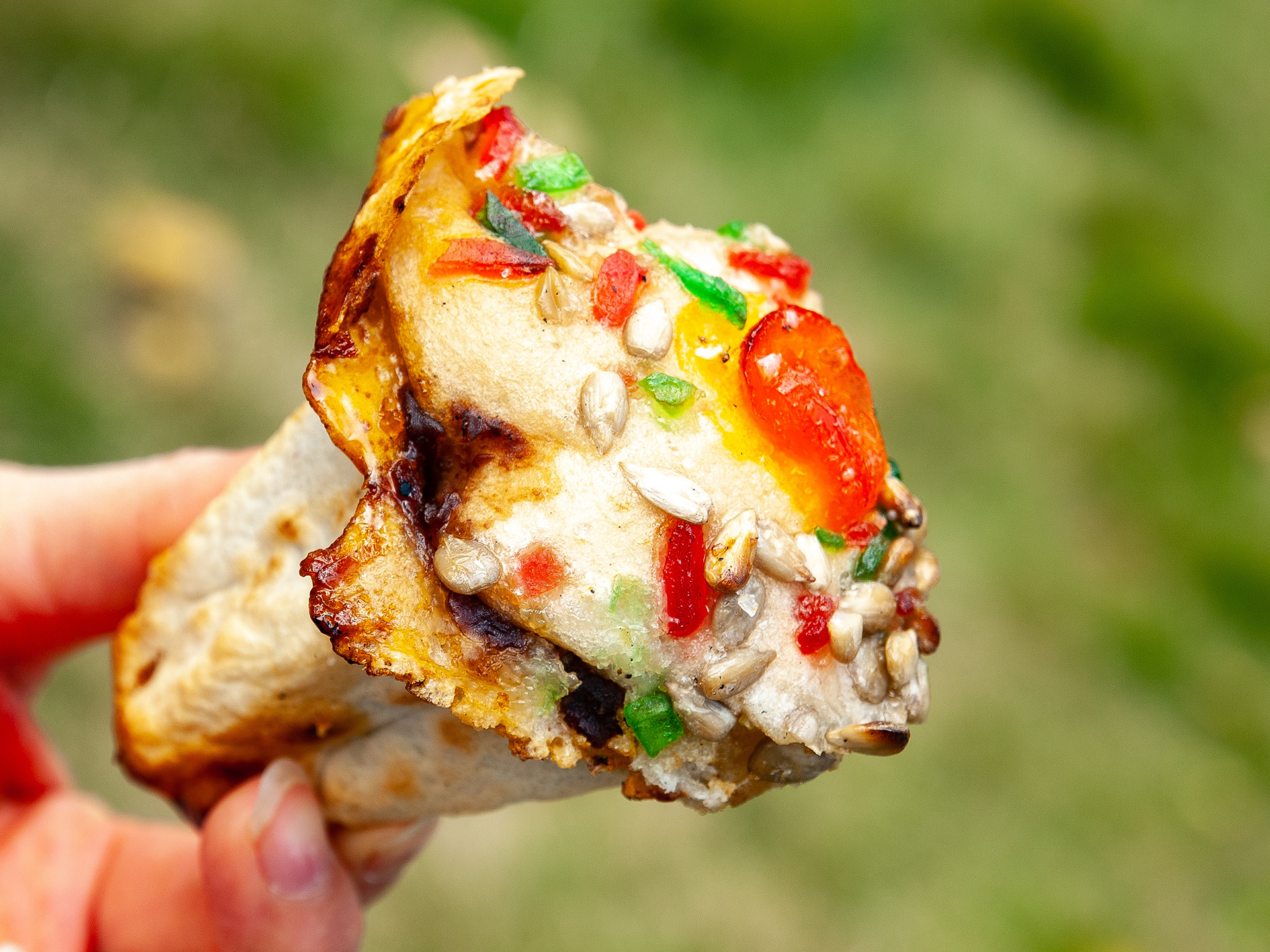
Have you ever seen this? This sweet and colorful specialty is called in Chinese Haitanggao. I discovered this pastry in the streets of the town of Qibao. Because of its special shape it is also called Begonia Cake. I fell in love with it instantly!
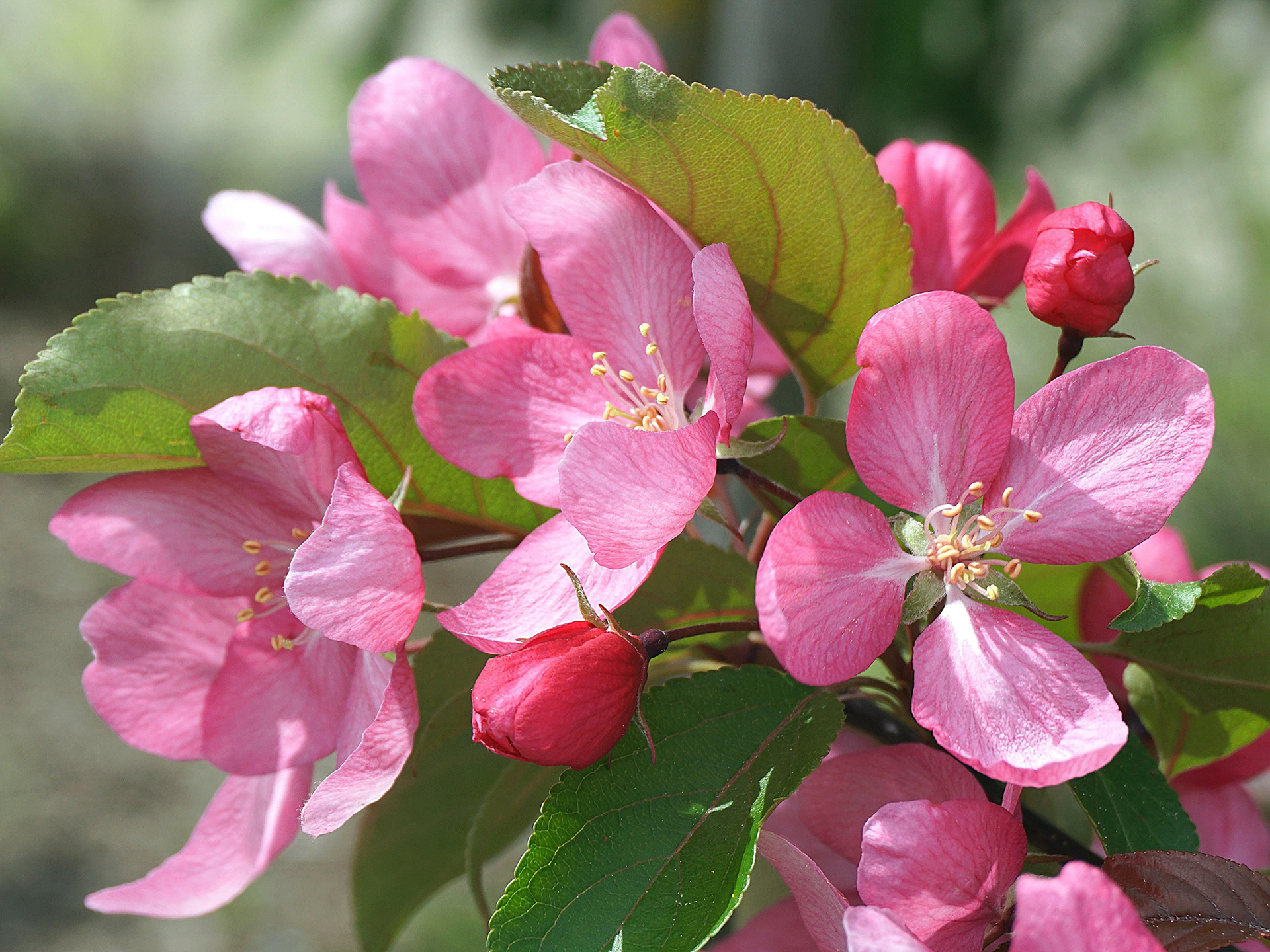
What a wonderful bloom! Begonias in China are a symbol for spring — and for all the beautiful things that come with it. In the region west of Shanghai, where I first encountered the Begonia Cake, everyone is crazy about the flowers. And the little cakes.
Begonias are a symbol in China for spring — and for all the beautiful things that it brings.

This is Qibao. It lies only about 18 kilometres from Shanghai. Walking in those narrow alleys, between picturesque canals and historic buildings, I felt transported back centuries. I first came here in winter 2010, thanks to my longtime translator Jingjing.

In this town there are countless little shops and snack-stalls — and so many fantastic delicacies! Here I photographed a baker on the market in Shanghai. She was just preparing Begonia Cakes. The dough was already portioned in the baking mould.
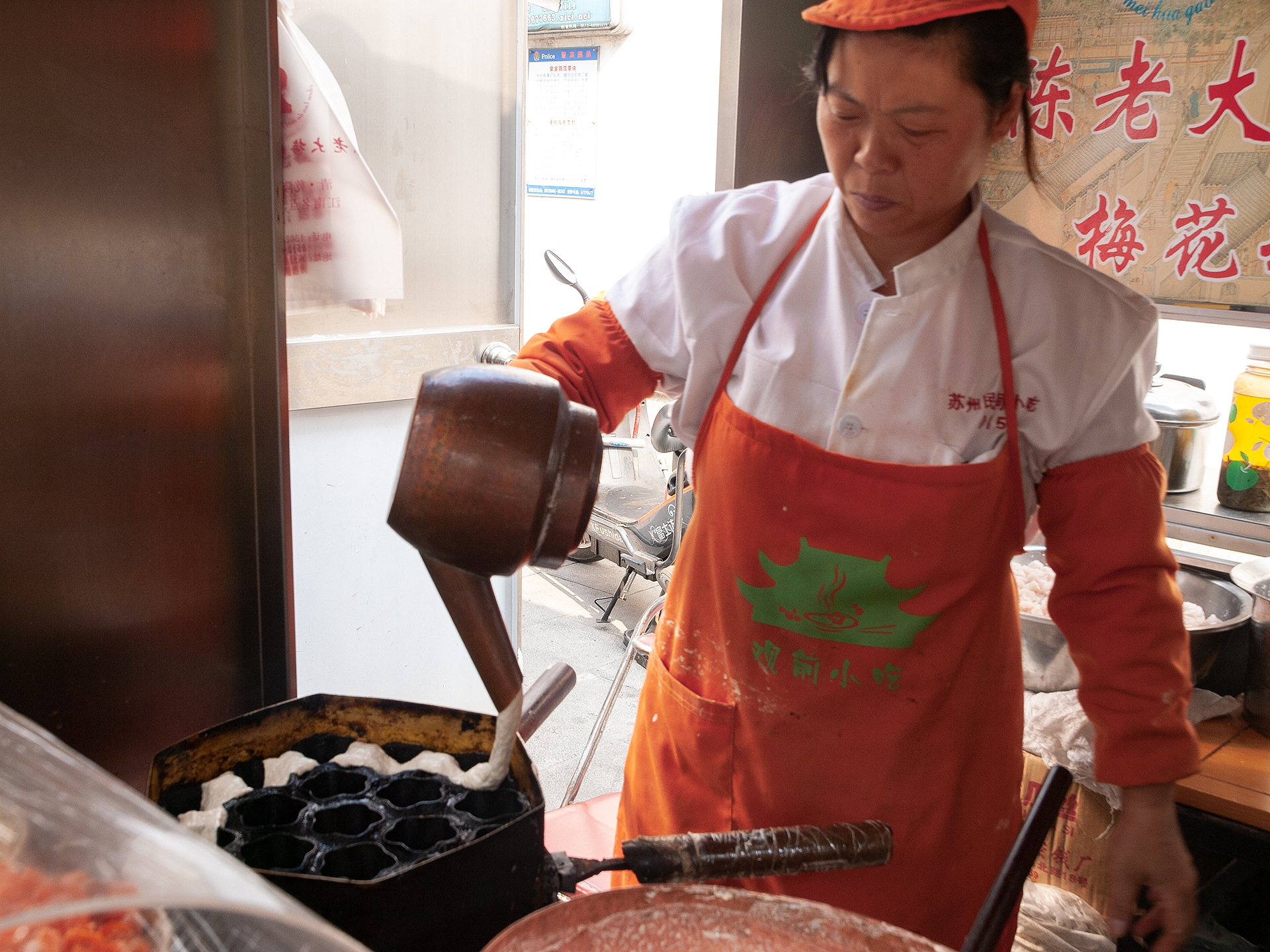
It is this cast-iron mould that gives the Begonia Cake its name. Because its depressions are modelled on the Begonia blossom. They are brushed with oil and heated on the stove. Then the dough is poured in. It consists of flour and water.

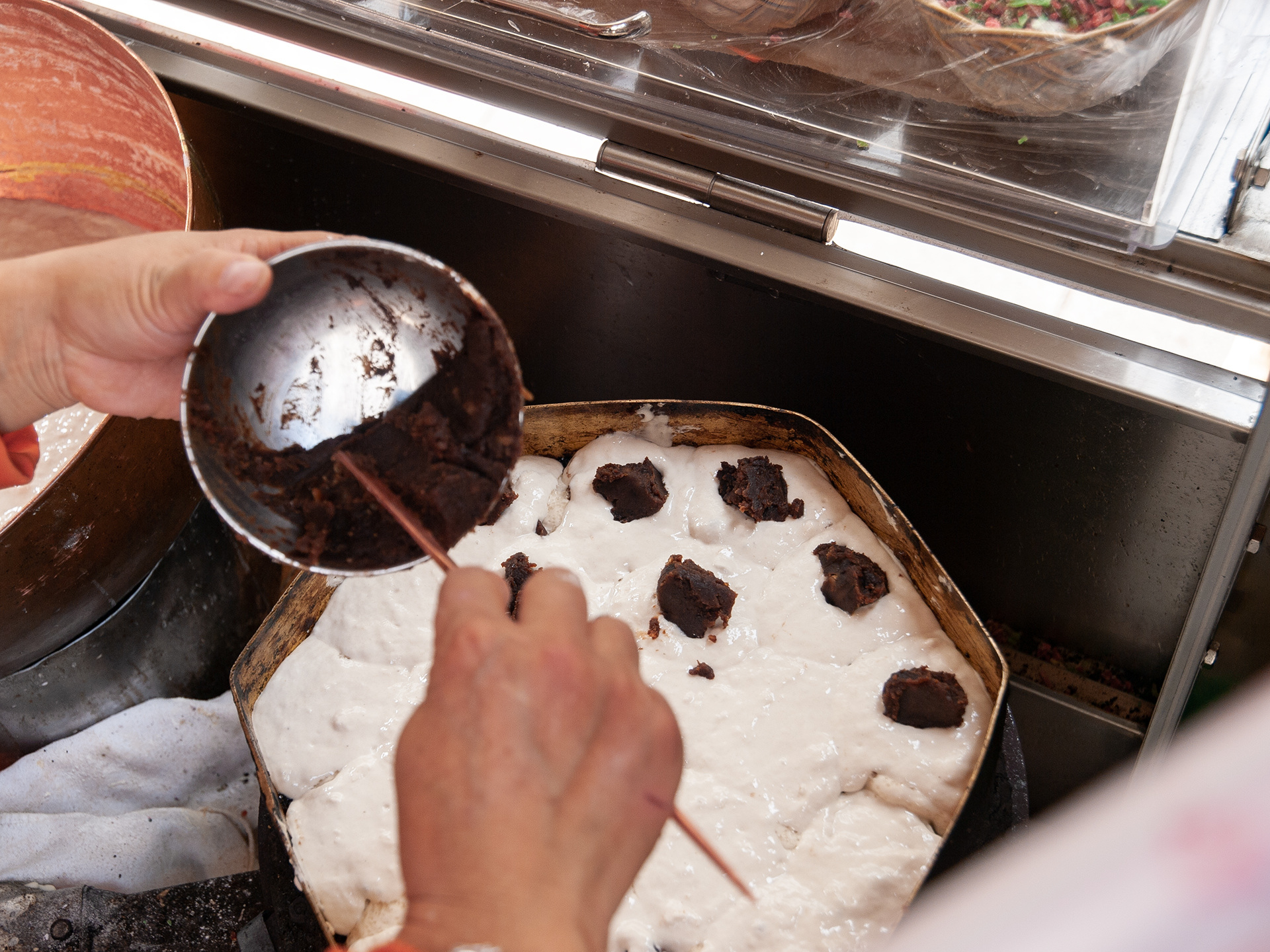
In the next step the baker places on each dough portion a dollop of bean paste. The red beans are first cooked, then pureed and may afterwards solidify with a good amount of lard and sugar. This produces a sweet, nutty and slightly sticky paste.
The cast iron mould is what gives the Begonia Cake its name. Because its depressions are modelled on the Begonia flower.
According to one story the recipe goes back to a kitchen chef named Begonia. She worked in Suzhou, also west of Shanghai. One day, when beans and flour were left over, her young assistant created this pastry from them. Apparently he was quite talented. But the cake was named after her.

I tried to track down the recipe. In doing so I encountered reports about a baker from nearby Loutang: «Aunt Chen». She told me that she began at four o’clock in the morning to prepare the bean filling.

Once the paste sits on the dough pieces, sugar is sprinkled on top. Then more dough and maybe a portion of pork lard.

Everything layered into the hot mould takes time. Presumably also for this reason only a few shops still produce this regional specialty.
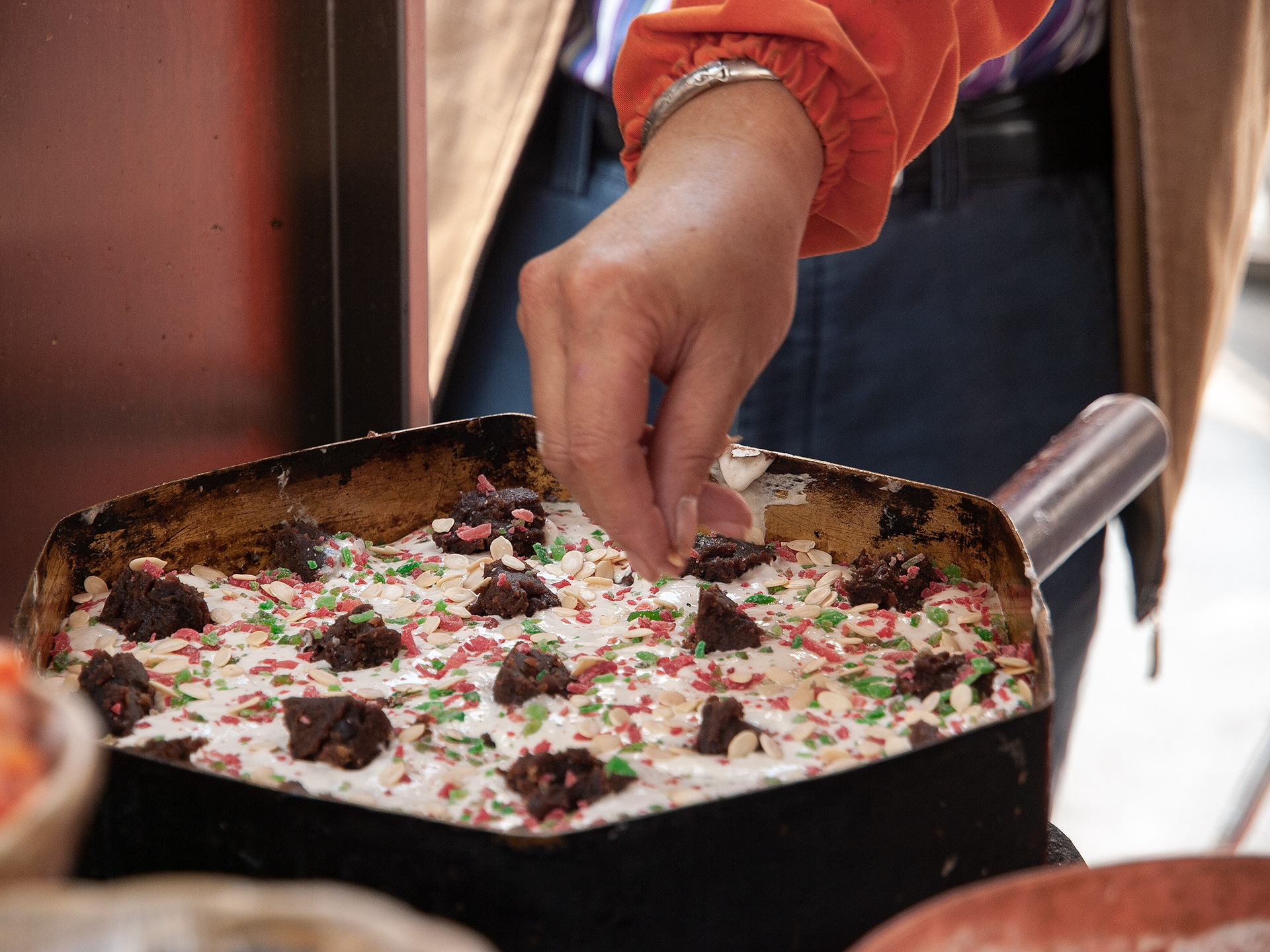
Now things get colourful: The topping might be watermelon seeds or sunflower seeds, sesame seeds, peanuts and candied fruits like kumquats and green plums. Every shop does it a little differently. Once baked the little cakes are a bit sticky inside and remind a bit of marzipan.
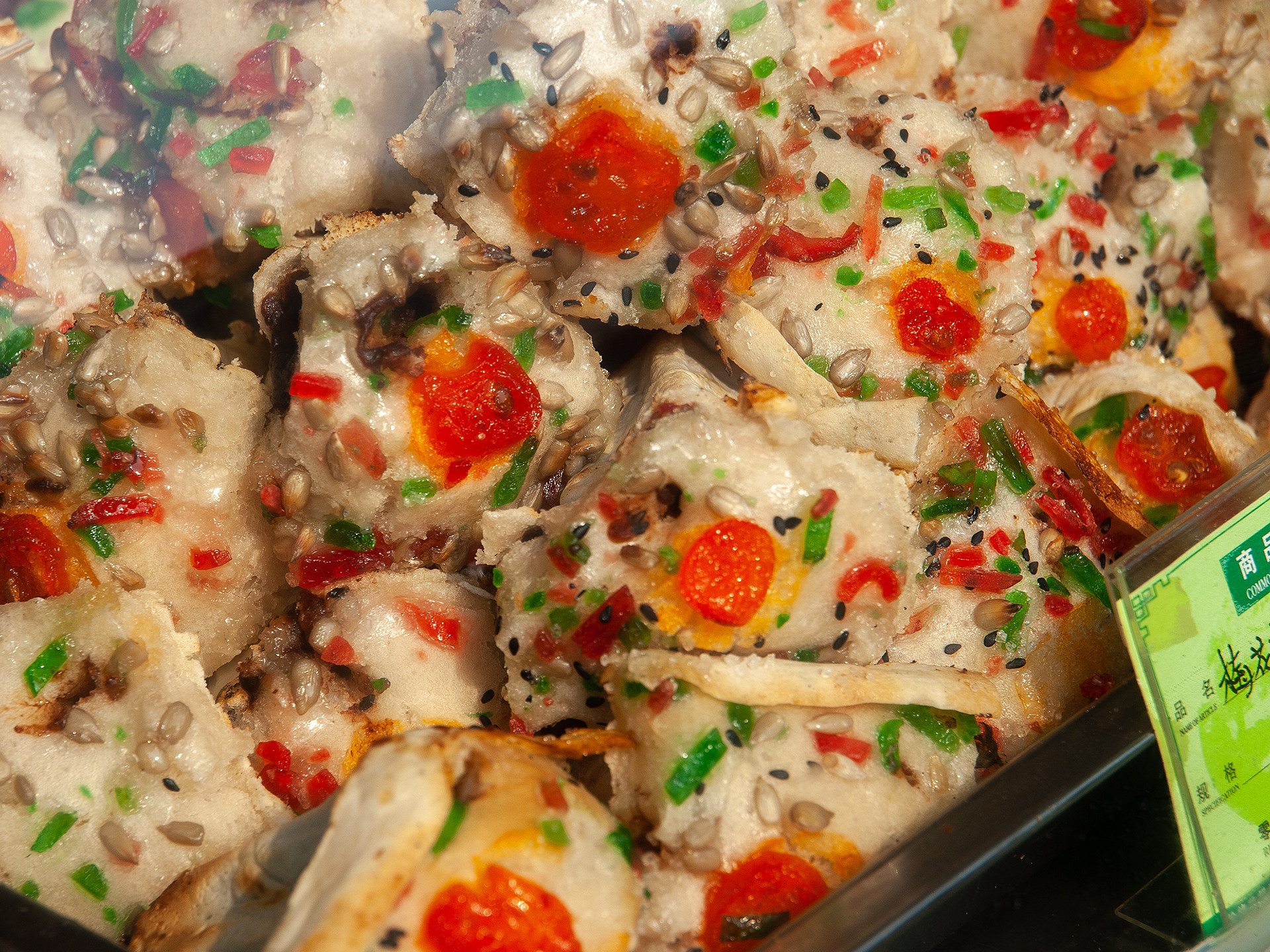
If you ask me — still warm from the mould the Begonia Cakes are best. In China one might say: The flavour of happiness!
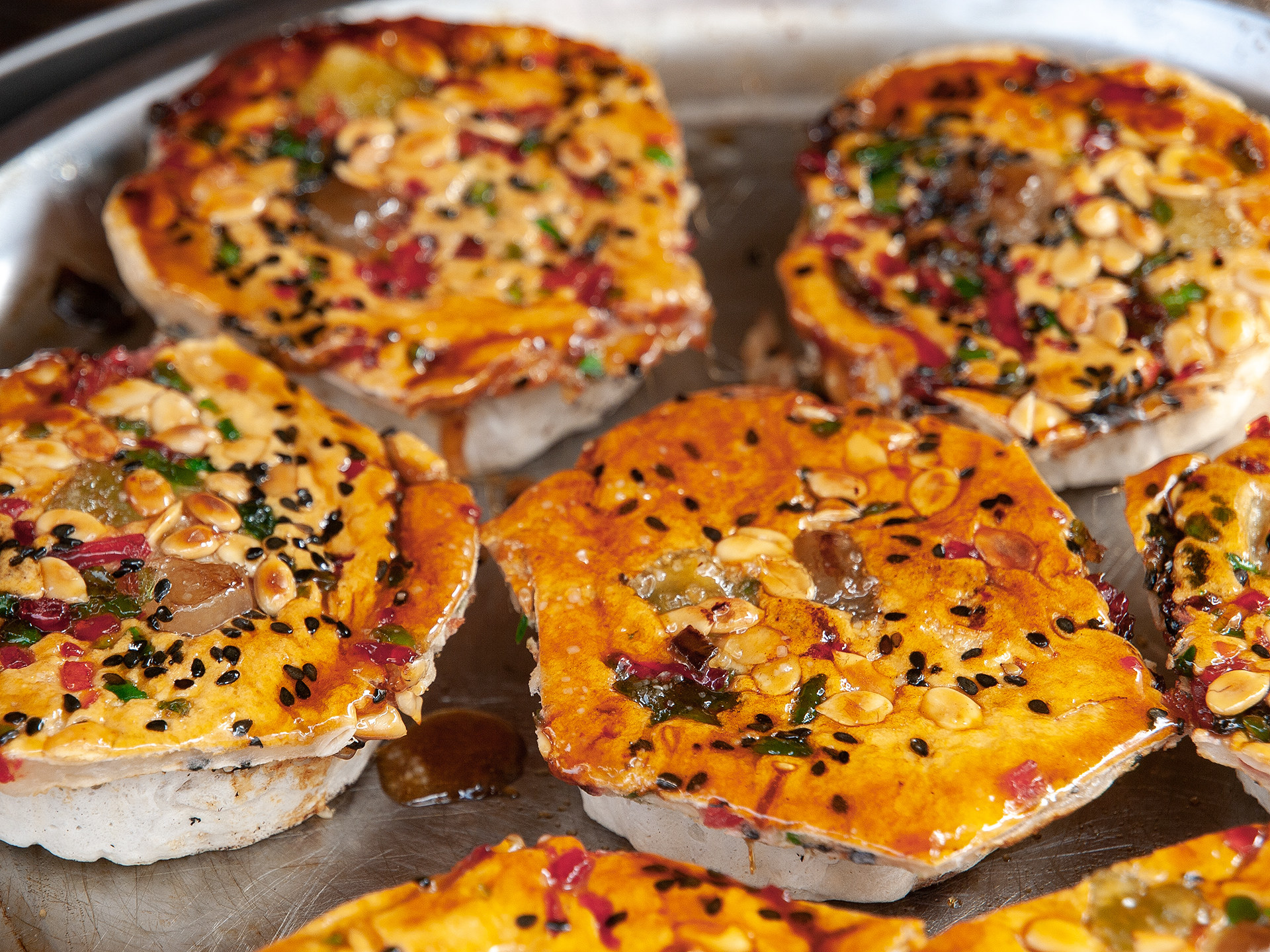
In Shanghai I discovered a few streets away a — likewise delicious — variant: The baking moulds were flatter and the still-hot cakes were at the end turned upside-down into melted sugar. That’s why they shine so golden and have a great caramel crust.
keep on feeding ...

Karachi, Pakistan — Let birds carry your worries away. On the Native Jetty Bridge in Karachi, locals gather every day to feed birds and fish — as a good deed.
Helmut Haase
Photography & Stories
Alle Texte und Fotos sind urheberrechtlich geschützt. Wenn Sie an der Nutzung bestimmter Inhalte interessiert sind, nehme ich gerne Ihre Anfrage entgegen.
© Helmut Haase 1975 – 2026